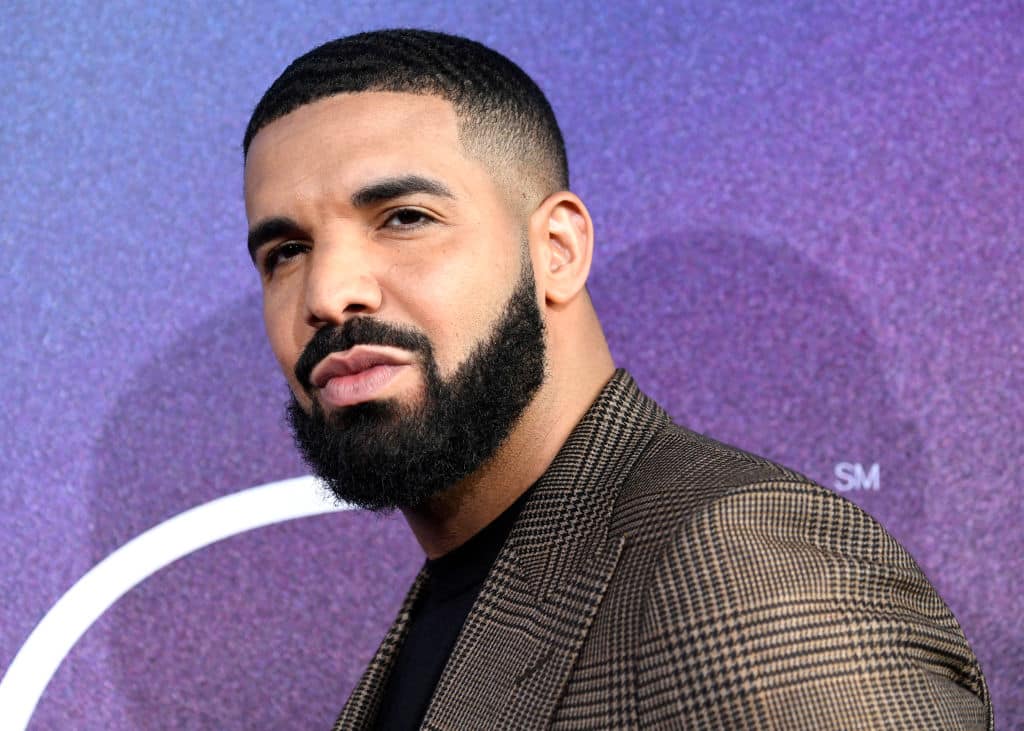
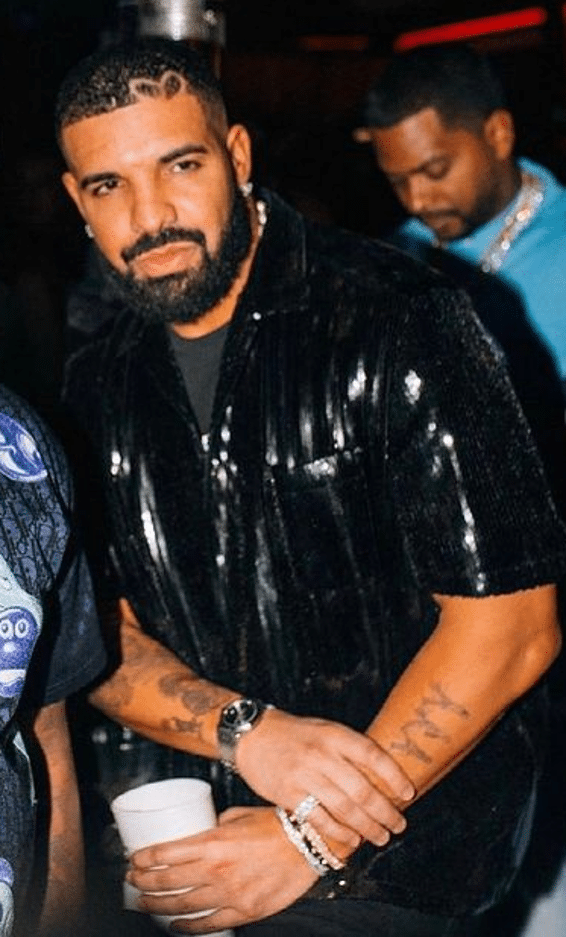
Multi-platinum selling rapper Drake known for his slick rhymes, emotional lyrics and toned look, has recently revealed that he previously had COVID-19 and is experiencing lingering hair loss in the aftermath.
Drake shared the health update in the comments section of a fan account Instagram post that poked fun at recent changes in his hairline. The post featured a photo of Drake with a small heart design in his hairline, followed by an apparently more recent photo of the rapper that shows the bottom of the design has faded. The caption joked that the heart looks “stressed.”
the Champagne Papi himself responded in a comment. “That sh*t grew in weird. I had to start again, it’s coming back.” Then he chided, “Don’t diss.”
While it’s not clear from the post how long ago Drake had COVID-19, we do know that hair loss and COVID go hand in hand.
According to the American Academy of dermatology, a few months after having a high fever or recovering from an illness, many people see noticeable hair loss.
While many people think of this as hair loss, it’s actually hair shedding.
Most people see noticeable hair shedding two to three months after having a fever or illness. Handfuls of hair can come out when you shower or brush your hair. This hair shedding can last for six to nine months before it stops. Most people then see their hair start to look normal again and stop shedding.
Usually, hair loss or hair shedding is something that may not be avoided completely and happens to everyone. Routinely, a person may lose up to 100 strands of hair a day, which can happen due to multiple reasons and genetic make-up. Stress, poor diet, conditions, the hair products you use, water quality, etc. as well as age can all lead to hair fall. However, what COVID patients like Drake experience is a lot different and drastically intense. Post-COVID hair loss is categorized as ‘telogen effluvium’ and isn’t exactly hair loss, but hair shedding. It happens when more hairs than normal enter the shedding (telogen) phase of the hair growth lifecycle at the same time. Fever or any illness (such as COVID itself) can actually force more hairs into the shedding phase.
Telogen effluvium, according to experts, is a reality for many people. According to a survey conducted by Dr. Natalie Lambert, a professor at Indiana University School of Medicine and Survivor Corps, a grassroots movement of COVID-19 survivors, hair loss is actually a more common COVID-19 symptom than nausea or a runny nose.
In a study done in November 2020, COVID patients with no history of hair loss, diverse ethnic backgrounds, and a median age of 55, all experienced excessive hair loss within weeks to months after infection. The hair included hair coming out in large clumps and thinning along the frontal hairline. All patients had laboratory-confirmed COVID‐19, some reported mild symptoms, and even less presented with severe disease requiring hospitalization. Overall exams revealed noncicatricial loss of hair volume, pronounced thinning, and positive hair‐pull test.
Besides COVID‐19, the patients did not report any new medical conditions, medications, or lifestyle modifications.
Drake isn’t the only star to discuss hair loss as a symptom of COVID-19. In August of 2020, Alyssa Milano posted a video to Twitter of her hair coming out in chunks as she brushed it. She captioned the post, “Thought I’d show you what #Covid19 does to your hair. Please take this seriously. #WearADamnMask #LongHauler.”
Thought I’d show you what #Covid19 does to your hair. Please take this seriously. #WearADamnMask #LongHauler pic.twitter.com/H0wCmzYswV
— Alyssa Milano (@Alyssa_Milano) August 9, 2020


By subscribing, you consent to receive emails from BlackDoctor.com. You may unsubscribe at any time. Privacy Policy & Terms of Service.