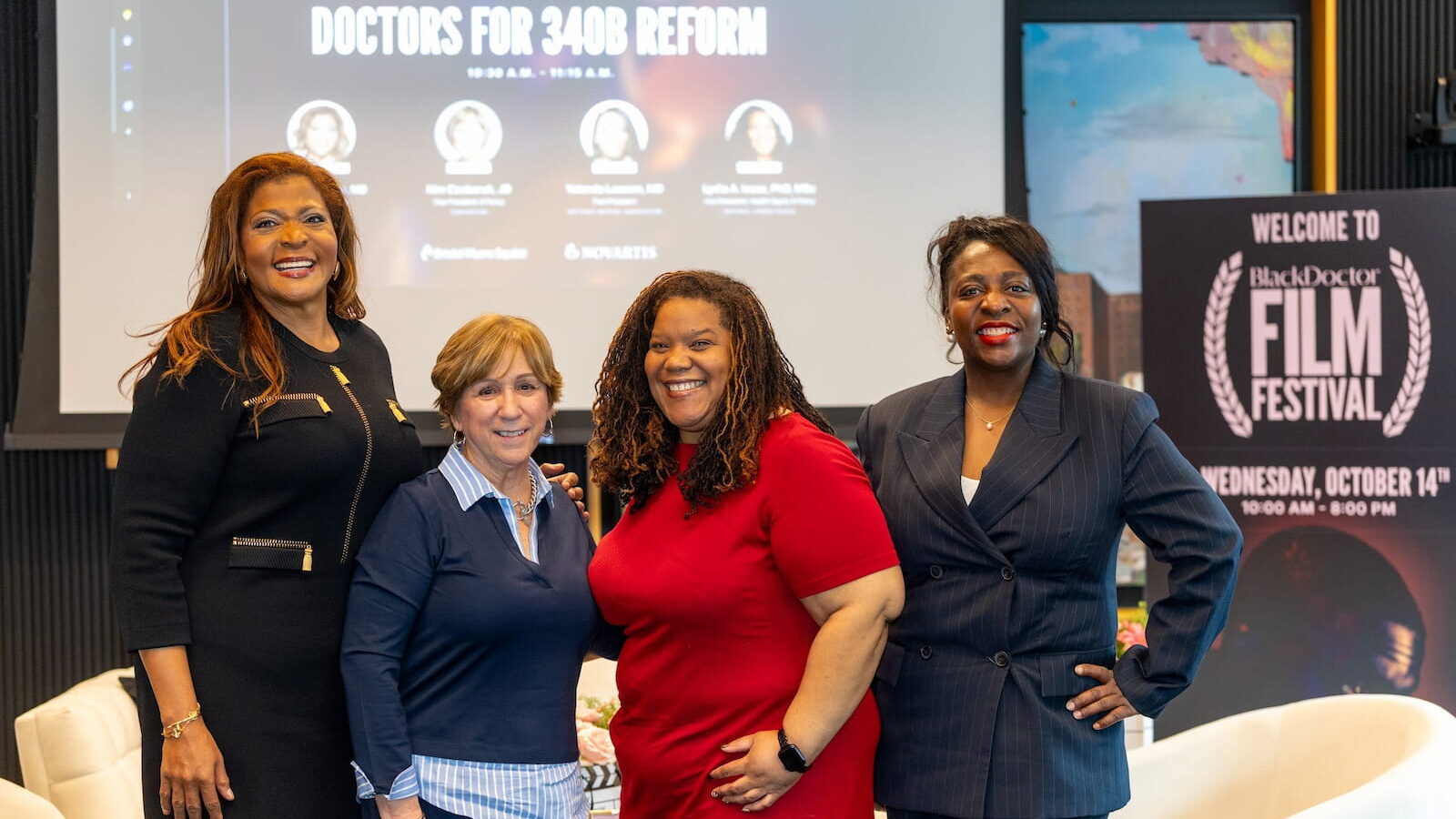
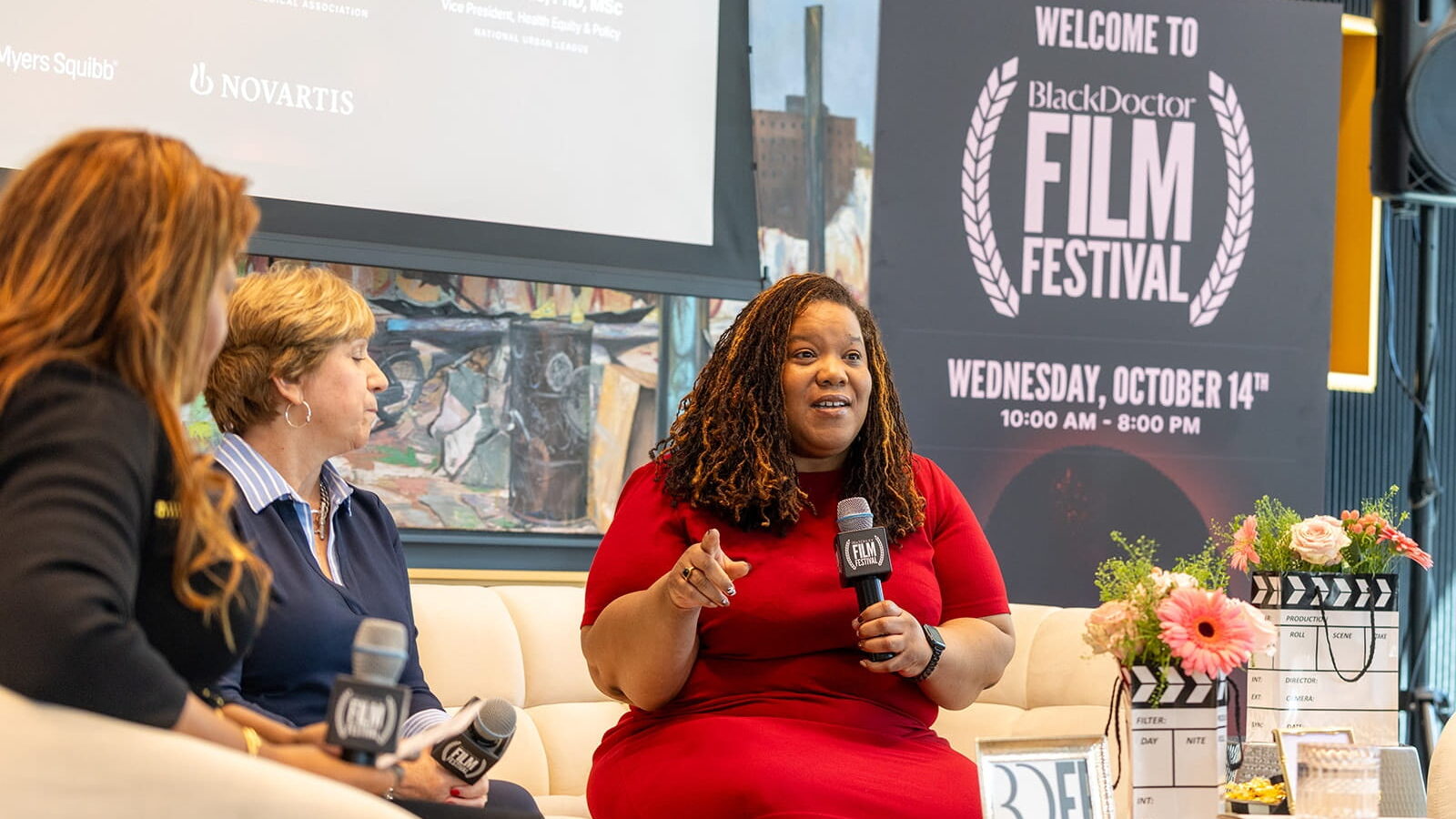
Physicians, policy leaders, and patient advocates gathered on stage for the “Doctors for 340B Reform” at the BlackDoctor Film Festival on Oct. 14. For the panelists, the discussion and answer was not centered on not accepting 340B Drug Pricing Program without question, but on how to make it work better with transparency, meaningful oversight, stronger partnerships, and patients.
Moderated by Dr. Sharon Allison, health strategist and CEO of Carlen, Inc., the discussion began with a reminder of why 340B exists: to help eligible hospitals and clinics serving vulnerable populations stretch scarce resources and expand access to care.
Watch “Doctors for 340B Reform” Now!
Allison emphasized that 340B is a savings program — not a direct government payment to participating hospitals. The central question, she said, is what happens to the resources generated through those savings.
“This is not the government giving an entity X million number of dollars,” Allison explained. “This is the resources that are saved: How are those allocated back to the people that need it?”
Allison emphasized that 340B’s resources come through savings, not a direct government grant.
Dr. Yolanda Lawson, past president of the National Medical Association; Lydia Isaac, Vice President of Health Equity and Policy at the National Urban League, and Kim Karack, Vice President of Policy at CancerCare, brought different perspectives to the discussion. However, they shared a common purpose: ensure the program continues to support providers serving under-resourced communities, while strengthening accountability for how its resources are used.
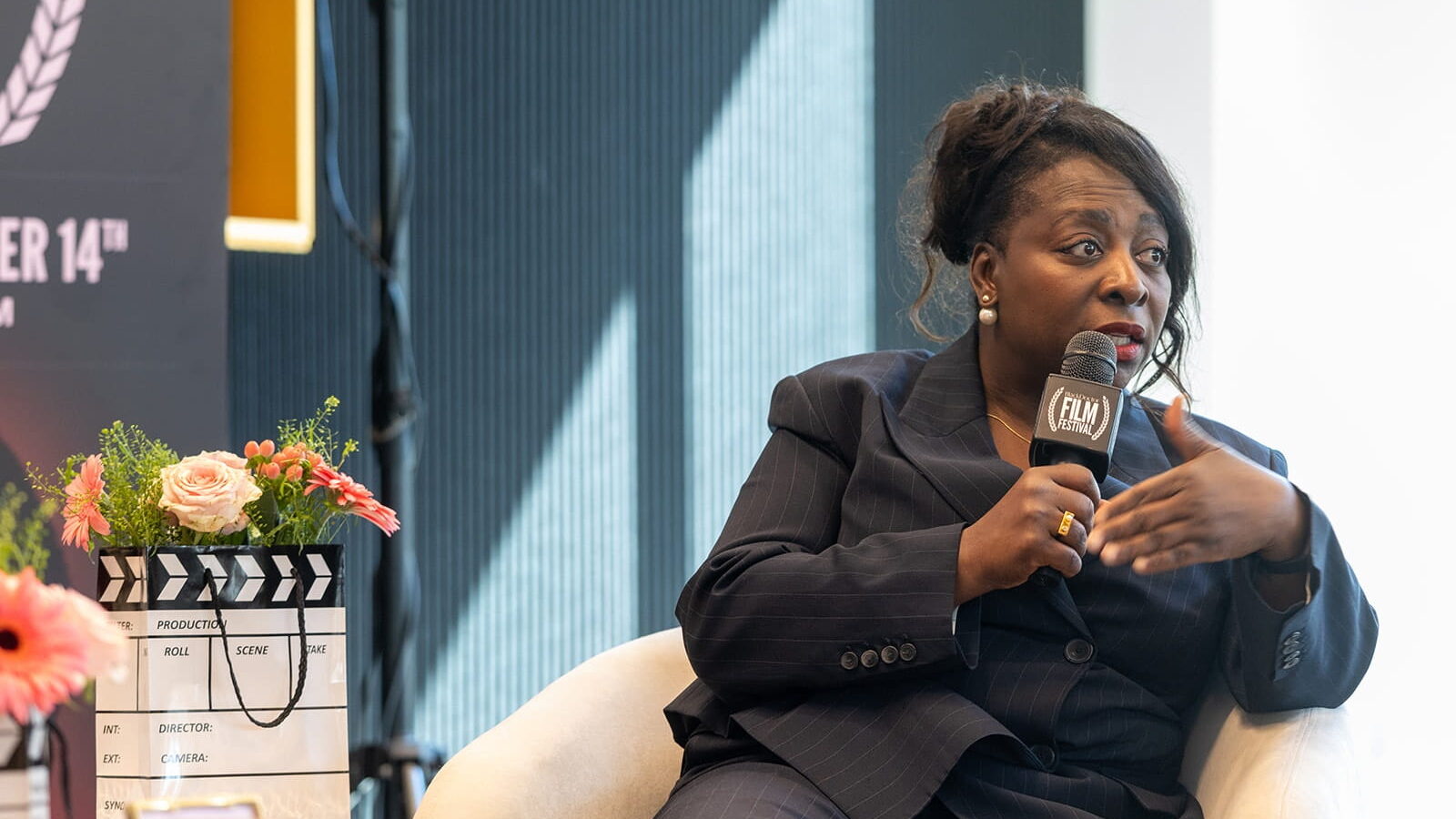
“The program is essential for safety net hospitals,” Isaac said. “But what we need to do is make sure that every hospital is held to the same standard that we’re holding safety net hospitals to.”
For Lawson, an OB-GYN, the importance of 340B is not theoretical. As medical director of a community-based organization serving South Dallas, she sees firsthand how the program helps sustain care in a community she described as a healthcare desert. Her clinic serves a population in need: 63% of its patients are uninsured, and the remainder are underinsured.
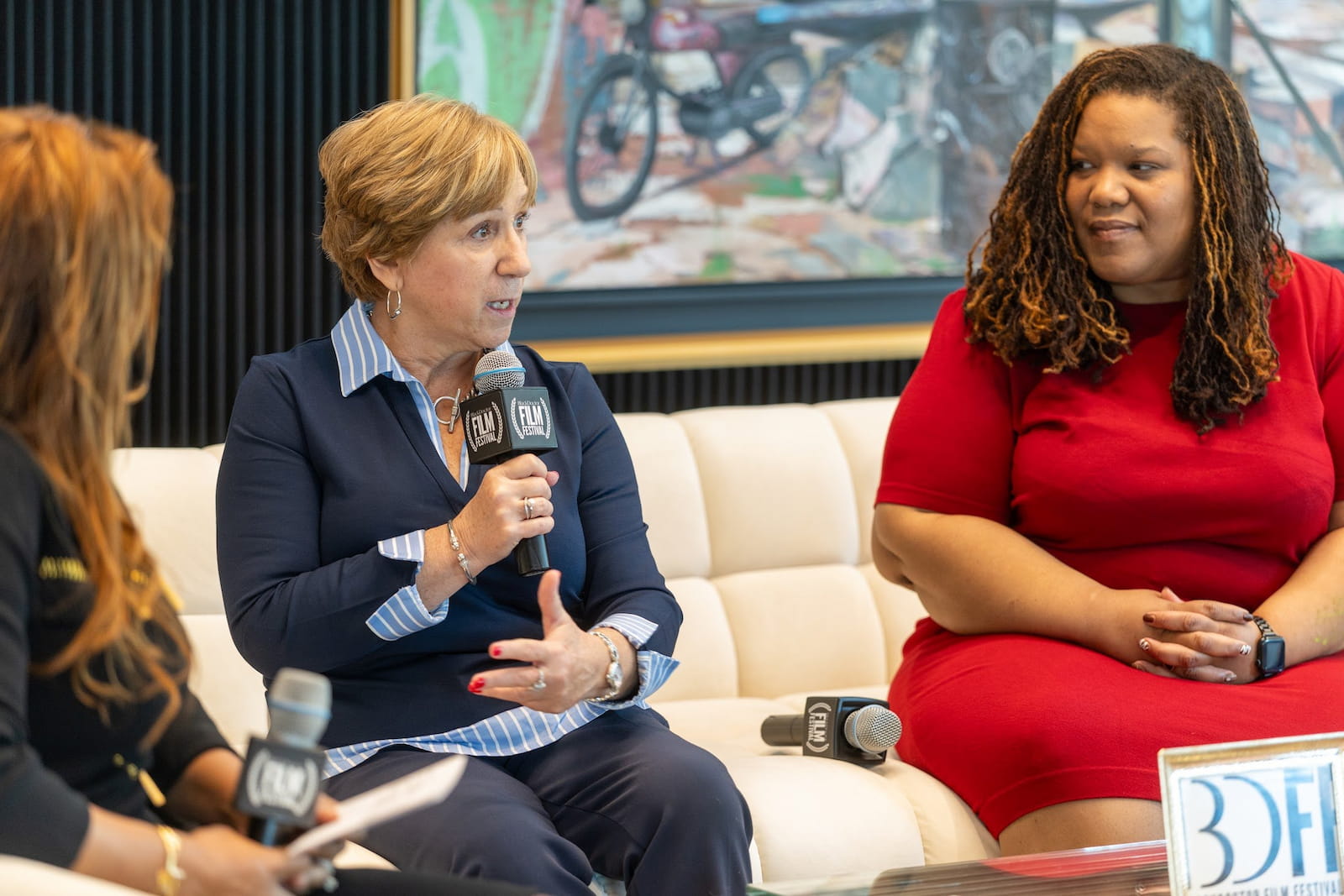
The program helps make it possible for the organization to provide more than medication assistance. Patients may also need behavioral healthcare, food, housing support, transportation, care coordination, and help navigating the healthcare system. Lawson explained that 340B is one important part of a broader network of resources that allows her clinic to respond to those needs. “Without a 340B clinic, we would have to close,” Lawson said.
Allison also underscored the importance of transparency, saying that organizations benefiting from the program should be able to demonstrate how those resources support patient care.
“Transparency is not a burden,” she said. “It is a basic expectation of any program that’s tied to public policy and public trust.”
The panelists agreed that oversight should not undermine the work of community-based providers that depend on 340B. Instead, they called for consistent standards that distinguish organizations demonstrating meaningful community benefit from those that are not adequately showing how program resources are being used.
The most important measure of 340B is whether patients can access the care they need, Zarack said. Patients often have no idea that a program intended to support access to care exists, even when they could benefit from the resources it helps make available.
Ideally, Isaac said, the program should work behind the scenes so patients can receive the care and support they need without having to navigate its policy details.
She noted that federally-qualified health centers and community-based hospitals and clinics are using 340B to support patients, including through services such as housing and transportation assistance. But she said larger health systems should be held to comparable standards and be prepared to show how program resources reach the communities they serve.
“Show me that you’ve done everything you possibly could with the funds,” Isaac said, describing the kind of accountability she wants to see. “Show us the community clinic that your system is part of your system that got those funds. Don’t just tell me the money came to your system. Show me exactly where it went.”
Zarack offered a practical approach: clearer definitions of charity care and more consistent financial tracking. She also called for clearer expectations around how savings are passed along to patients, including at the pharmacy counter.
Lawson emphasized that reform must look at both sides of the program, including manufacturers and participating providers. “There are reforms needed on both sides: from the manufacturing side and also on that user side,” she said.
Zarack also stressed that patients, advocacy organizations, providers, and hospitals must all have a voice in shaping 340B’s future. “You can’t have a full conversation if you don’t have all the players in the room,” she said.
The panel was part of the inaugural BlackDoctor Film Festival, which brought together healthcare and medical experts, physicians, patient advocates, filmmakers, students, and policymakers for screenings, discussions, and awards recognizing films focused on health, medicine, and equity. The festival featured 31 films and offered both in-person and online programming. Stream the BDFF films online through Nov. 14 here.


By subscribing, you consent to receive emails from BlackDoctor.com. You may unsubscribe at any time. Privacy Policy & Terms of Service.