While some Black women may be enjoying a longer life expectancy today, this life expectancy still remains years less than their white female counterparts.
So what’s causing this discrepancy? According to the National Center for Chronic Disease Prevention and Health Promotion reported by the Centers for Disease Control and Prevention (CDC), researchers suspect it’s because younger Black women are more likely to suffer from diseases that affect white women later in age.
New data shows Black women are dying at younger ages too. But what’s the good news? The leading threats to Black women’s health–at least the majority of them–can be prevented.
The not-so-great part? Many people don’t know how.
So, first step: read the below list of the top conditions and diseases that threaten women’s lives the most. Second step: get serious about reducing your risks.
Diabetes contributes significantly to mortality and often appears among the top causes of death for Black Americans, especially when combined with complications like kidney disease and heart problems. Black women have higher diabetes death rates compared with non-Hispanic white women. Diabetes isn’t just about blood sugar. For many Black women, it becomes deadly because of a stacking of biological, social, and systemic factors that make the disease harder to prevent, detect early, and manage well.
Here’s the clear, honest breakdown
Black women are more likely to develop Type 2 diabetes at younger ages, which means:
Black women have some of the highest rates of hypertension in the world.
When diabetes and high blood pressure coexist:
Long-term stress isn’t just emotional — it’s biological.
Black women experience:
Black women are more likely to:
Read: The Silent Killer In Your Veins
According to the Centers for Disease Control and Prevention (CDC), a stroke sometimes called a brain attack, occurs when something blocks blood supply to part of the brain or when a blood vessel in the brain bursts. In either case, parts of the brain become damaged or die. A stroke can cause lasting brain damage, long-term disability, or even death. There are health conditions and lifestyle habits that can increase your risk for stroke including hypertension.
How Does Stroke Affect African Americans Differently?
How does Menopause Affect Stroke?
Black women have a higher risk of stroke than white women, and menopause can exacerbate this risk. Menopause, due to hormonal changes and the decline of estrogen, can increase the risk of stroke. Additionally, Black women are more likely to experience menopause earlier and have longer-lasting and more severe menopause symptoms.
Along with a change in body fat distribution leading to abdominal obesity in Black women during menopause, the lipid, blood pressure, and glucose changes are consistent with metabolic syndrome. In addition to the metabolic changes, estrogen deficiency during menopause also leads to a shift from anti-inflammatory to proinflammatory cytokines. These cytokines are important because they have been associated with an increased risk of heart disease and stroke.
How to prevent stroke…
• Manage chronic conditions. If you have high cholesterol or high blood pressure, follow your doctor’s treatment recommendations. If you have diabetes, keep your blood sugar under control.
• Don’t smoke. If you smoke or use other tobacco products, ask your doctor to help you quit.
• Make healthy lifestyle choices. Eat a healthy diet, being especially careful to limit foods high in saturated fat and cholesterol. • Include physical activity in your daily routine. If you’re overweight, lose excess pounds.
• Limit alcohol. If you choose to drink alcohol, do so only in moderation — for women, no more than one drink a day.
Read: What Do The New Cervical Screening Guidelines Mean For You?
Black people have the highest mortality rate of any racial and ethnic group for all cancers combined and for most major cancers. Death rates for all major causes of death are higher for Black/African Americans than for non-Hispanic whites, contributing in part to a lower life expectancy for both Black/African American men and women.
In a 2021 research organization, investigators found that Black women experience the highest mortality rate for cervical adenocarcinoma (ADC), despite having the lowest incidence of this cervical cancer subtype.
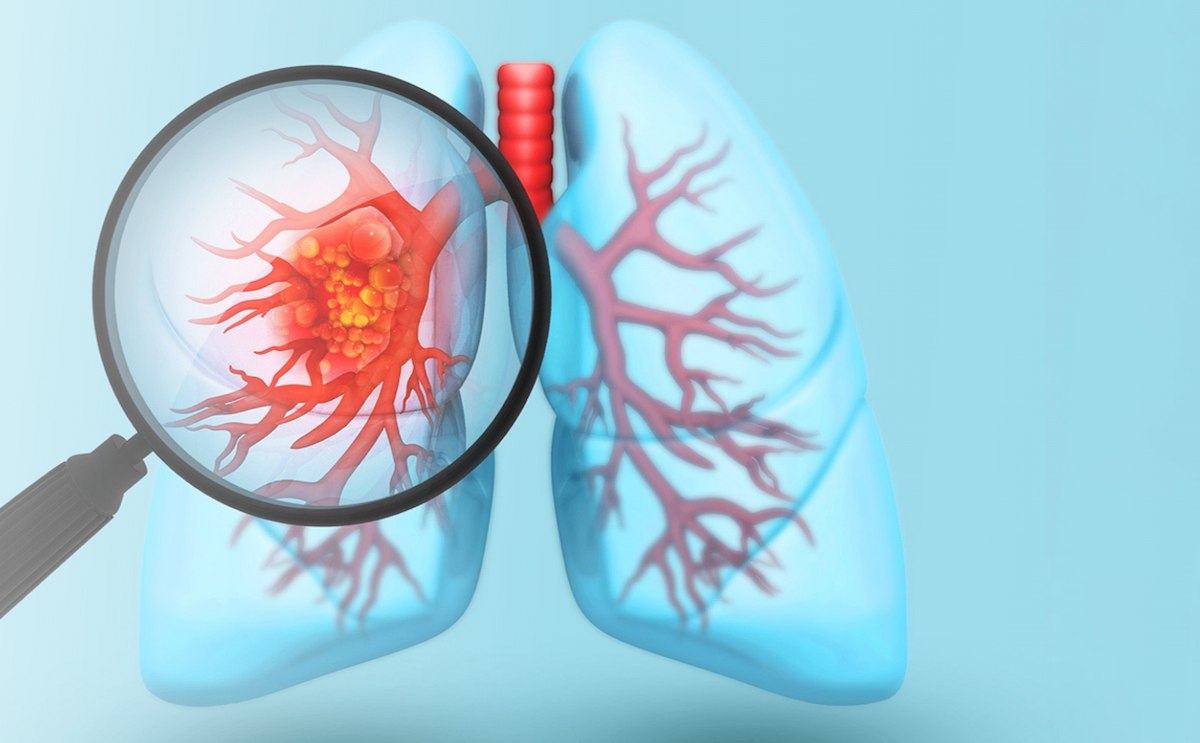
Various types of cancer are of particular concern to women, including breast cancer, lung cancer, skin cancer and colorectal cancer. To reduce the risk of cancer, consider these general tips:
How to reduce your cancer risks…
• Don’t smoke. Using any type of tobacco puts you on a collision course with cancer. Avoiding exposure to secondhand smoke counts, too.
• Maintain a healthy weight. Losing excess pounds — and keeping them off — may lower the risk of various types of cancer.
• Get moving. In addition to helping you control your weight, physical activity on its own may lower the risk of certain types of cancer.
• Eat plenty of fruits and vegetables. Although making healthy selections at the grocery store and at mealtime can’t guarantee cancer prevention, it may help reduce your risk.
• Protect yourself from the sun. When you’re outdoors, cover up and use plenty of sunscreen.
• Limit alcohol. If you choose to drink alcohol, do so only in moderation. The risk of various types of cancer — including cancer of the breast, colon, lung, kidney and liver — increases with the amount of alcohol you drink and the length of time you’ve been drinking regularly.
• Breastfeed, if you can. Breastfeeding may help reduce the risk of breast cancer.
• Take early detection seriously. Consult your doctor for regular mammograms and other cancer screenings.

Read: Myths About Black Women & Heart Disease
Heart disease isn’t just a man’s disease — it’s also a major women’s health threat. Take charge of heart health by making healthier lifestyle choices. For example:
How to save your heart…
• Don’t smoke. If you smoke or use other tobacco products, ask your doctor to help you quit. It’s also important to avoid exposure to secondhand smoke.
• Eat a healthy diet. Choose vegetables, fruits, whole grains, high-fiber foods and lean sources of protein, such as fish. Limit foods high in saturated fat and sodium.
• Manage chronic conditions. If you have high cholesterol or high blood pressure, follow your doctor’s treatment recommendations. If you have diabetes, keep your blood sugar under control.
• Include physical activity in your daily routine. Choose sports or other activities you enjoy, from brisk walking to a cardio kickboxing class.
• Maintain a healthy weight. Extra pounds increase the risk of heart disease.
• Limit alcohol. If you choose to drink alcohol, do so only in moderation. Too much alcohol can raise your blood pressure.
• Manage stress. If you feel constantly on edge or under assault, your lifestyle habits may suffer. Take steps to reduce stress — or learn to deal with stress in healthy ways.
Prevention Start NOW!
It’s important to understand common women’s health risks, but don’t feel intimidated. Instead, do whatever you can to lead a healthy lifestyle — including eating a healthy diet, staying physically active, quitting smoking and getting regular checkups. Simple preventive measures can go a long way toward reducing your health risks.
Visit the BlackDoctor.org org Cancer center for more articles and tips.


By subscribing, you consent to receive emails from BlackDoctor.com. You may unsubscribe at any time. Privacy Policy & Terms of Service.