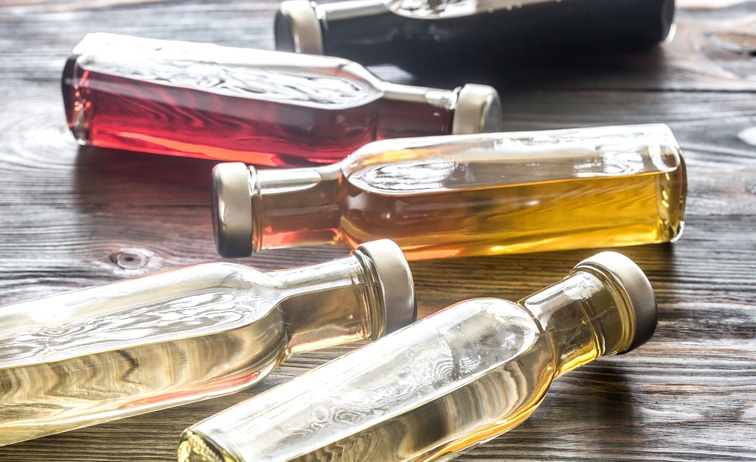
In the US, vinegar is loosely defined as being a solution containing a minimum of 4% acetic acid. It can be made from a wide range of base ingredients, but the underlying process is essentially the same. Instead of yeast, the microorganism known as acetobacter, sometimes also called acetic acid bacteria is used. It takes the alcohol, along with oxygen that’s available, and converts them into acetic acid, the compound responsible for vinegar’s sour, pungent flavor. Then bam, you’ve got vinegar.
Growing up, the only vinegar I commonly heard was just plain old vinegar and apple cider vinegar. It wasn’t until I grew up and going to restaurants that I learned that there were far more vinegars out there than I knew. Here is a basic guideline to at least start from.
Red & White Wine Vinegars
This includes everything from your basic red and white to sherry These are your go to vinegars, great for simple salad dressings, for punching up sauces. If you have a couple of these in your arsenal, you can turn to them again and again. Red wine vinegar tends to be a little sharper than white wine, so if you only want to have one on hand, keep white on deck.
Champagne Vinegars
With champagne vinegar, it’s important to note that for every excellent product, there are just as many champagne wannabes or fakes. Champagne vinegar can be made anywhere in France, and therefore varies drastically in quality. For starters, check to make sure that the main ingredient listed is Champagne grapes. If you have the chance to taste it, the vinegar should have a sharp, tingly taste. Champagne vinegar is great for salads as well as a base for mayonnaise.
Black Vinegar
The best-known version of black vinegar is Chinkiang, named for a city near Shanghai. Japan, however, also has a culture of kurozu, its own style of black vinegar, which is derivative of its Chinese counterpart but not nearly as dark. The Chinese style can be made of grains and rice, while the Japanese one is made of rice only. Both are fermented in closed containers, left out in the sun for extended periods of time until they turn a dark amber color (think dark chocolate). They have a funky sort of flavor, somewhere between a natural wine and an aged whiskey taste. You can use black vinegar in braises and glazes, or doctor it with ingredients like ginger, garlic, or sesame oil to make a quick and punchy dipping sauce.
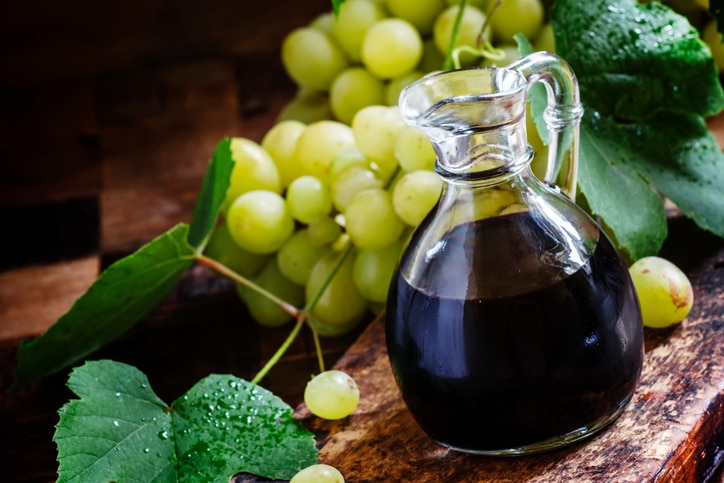
Balsamic Vinegar
There are several different tiers of balsamic vinegar. Tradizionale is the highest quality, followed by bottles marked IGP (indicazione geografica protetta), or PGI (protected geographical indication) in English—similar to the designation that identifies Champagne. IGP is regulated more heavily than the lowest tier of basic, “condiment”-quality balsamic, but costs significantly less. You can use it in crisp salads, on top of cheese-stuffed pastas, and even on desserts. But keep in mind that the better the balsamic, the less heat you want to apply to it in cooking. You should avoid heating tradizionale whenever possible. Less pricey IGP balsamics are great for cooking and you can try using them in barbecue sauces, or brush them on red meats like a roast before cooking.
White Vinegar
Not be confused with white wine vinegar, this distilled product is a wonderful addition to both your cooking pantry and your cleaning cabinet. Distilled vinegar in water, about 1/4 cup to a gallon, is a great thing to use to clean your hardwood floors or countertops, it is naturally antibacterial and antimicrobial, and all natural if you are worried about chemicals. It can also help eliminate unpleasant odors, and will take the film off your coffee pot and inside of your plastic or glass tupperware containers like magic. But it is also useful in cooking, especially if you want the vegetable or fruit flavor to really come through.
Sherry Vinegar
According to Serious Eats, to make sherry vinegar, sherry is further oxidized through blending in graduated stacks of barrels. Then a certain quantity of vinegar is moved from the young barrels on top and blended with the older ones at the bottom. The resulting product is a mix of many vintages. Through this process, the vinegar becomes oxidized, taking on the flavors of wood and nuttiness, and develops a long finish, qualities that work especially well in starchy bean dishes, spicy stews, and creamy purées. But just because a sherry vinegar hails from Spain doesn’t mean it’s good—check the label, and avoid those with additives like caramel coloring and flavoring agents that mimic oak and oxidation, which make the vinegar smell and taste like wood cleaner.
Honey Vinegar
Mead, or honey wine, is one fermented step away from honey vinegar. Different honeys yield different flavors in vinegar: A darker chestnut honey will be a bit deeper and funkier than a straight-up citrus flower one, which should still have notes of whatever fruit or tree the bees fed from. Honey vinegars come in a spectrum of colors, from light and translucent to reddish-brown mahogany, and usually taste stronger the darker they get. They’re especially expressive in vinaigrettes, take to herb infusions nicely, and can show off their vibrancy in cocktails when used in place of citrus. They even play well in confectionery, like honeycomb candy.


By subscribing, you consent to receive emails from BlackDoctor.com. You may unsubscribe at any time. Privacy Policy & Terms of Service.