A follower of BlackDoctor asked, “How can I treat dark spots or hyperpigmentation naturally?”
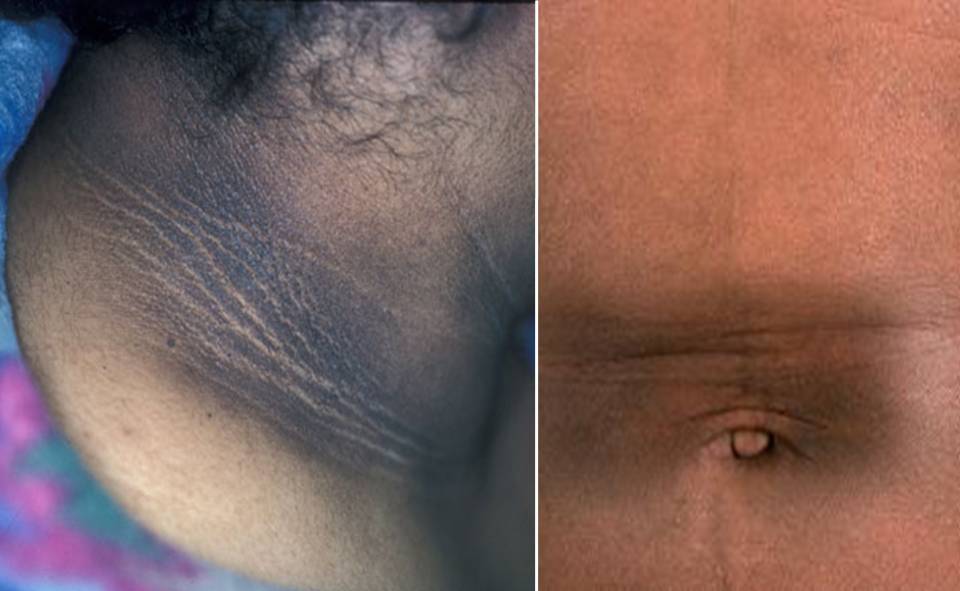
My answer brought more deeply rooted conditions to the forefront that we need to talk about. The hyperpigmentation you speak of is called acanthosis nigricans (AN). Acanthosis nigricans (ak-an-THOE-sis NIE-grih-kuns) is a skin condition that causes dark discoloration in the folds and creases of the body, typically seen in the armpits, neck and groin. The affected skin can also become thickened and may smell bad.
Acanthosis nigricans, which can be diagnosed by a dermatologist, is not a disease; it is a symptom of another condition that my require medical attention, such as pre-diabetes, diabetes or thyroid disease.
Here’s why These Spots are Important in the Black community:
1. Higher Rates of Insulin Resistance & Diabetes
African Americans are disproportionately affected by insulin resistance and Type 2 diabetes, which increases the likelihood of developing acanthosis nigricans.
- It can often be an early warning sign—appearing before diabetes is diagnosed.
- In children and teens, it may signal a higher lifetime risk of metabolic disease.
2. Can Be Mistaken for “Normal” Skin Changes
Because melanin-rich skin naturally varies in tone, these patches are sometimes:
- Overlooked
- Mistaken for dirt or poor hygiene
- Dismissed as harmless
This can delay diagnosis of underlying conditions.
3. Psychological & Social Impact
The visible nature of the condition—especially on the neck or hands—can lead to:
- Self-consciousness
- Stigma or embarrassment
- Misjudgment by others
This is particularly impactful for young people and teens.
Symptoms to Look For
- Darkened, thick, velvety skin patches
- Areas may feel slightly raised or soft
- Mild itching or odor (in some cases)
- Common areas: neck, armpits, groin, knuckles
When Should You Be Concerned?
You should pay closer attention if:
- The patches appear suddenly or worsen quickly
- They show up in unusual areas (like lips or palms)
- You have other symptoms like fatigue, weight gain, or frequent urination
These could point to more serious underlying conditions.
Here are 5 other natural topical treatments for these dark spots.
5 Topical Treatments for these Dark Spots
1. Lemon
Lemon contains citric acid that helps bleach the skin, making it a popular home treatment for hyperpigmentation. This natural bleaching agent can effectively fade dark blemishes on your skin.
- Extract fresh lemon juice and rub it on the skin using a cotton ball. Leave it on for about 10 to 15 minutes, and then wash it off with water. Follow this remedy twice daily for a few months until you notice improvement.
- Alternatively, you can prepare a facial mask with equal amounts of lemon juice and raw honey. Mix the ingredients well and then apply it to the affected skin. Cover the skin with a warm towel for 15 minutes, then rinse it off with lukewarm water. Do this once a week for a few months.
Note: Those who have sensitive skin must dilute the lemon juice with a little water before using it.
2. Raw potato
Raw potato works very well to help lighten hyperpigmented skin as well as other spots and blemishes on the skin. Potatoes contain catecholase, an enzyme that is believed to help lighten skin tone.
- Peel a potato and cut it into thick pieces. Put a few drops of water on the surface of a potato piece and then rub it on your skin for five to 10 minutes. Then rinse it off with lukewarm water. Do this three or four times a day for at least a month.
- Grate one medium-size potato and squeeze the juice out of it. Add an equal amount of lemon juice to it and mix well. Apply the solution on the pigmented area and leave it on for about 20 to 30 minutes before washing it off. Do this twice daily for a month.
3. Apple cider vinegar
Apple cider vinegar is simply miraculous when it comes to reducing the appearance of dark patches on the skin due to hyperpigmentation. It has excellent skin lightening as well as astringent properties that can help restore your skin’s natural color.
- Mix equal amounts of apple cider vinegar and water. Use this solution to rinse the affected area. Leave it on for two to three minutes, and then rinse it off with lukewarm water. Follow this remedy twice a day for a few weeks.
- Alternatively, add two teaspoons of apple cider vinegar to half a glass of warm water. Then mix in one teaspoon of honey. Drink this solution twice a day, morning and night, for a couple of weeks until you notice improvement.
4. Masoor Dal Face Mask
- Soak 50 grams of red lentils overnight in water.
- Blend them into a fine paste.
- Apply the paste evenly over your face and leave it on for 20 minutes.
- Rinse with cold water and pat dry.
5. Black Tea Water
- Add a tablespoon of fresh black tea leaves to a cup of boiling distilled water.
- Soak a cotton ball in the tea water and apply it to areas of hyperpigmentation twice a day.
If it is unsightly and embarrassing the dark patches may be covered by cosmetics or lightened with prescription skin lighteners. This will not cure the symptom because the root cause (diabetes) is still present, but it can provide some relief.
If you have any questions, don’t hesitate to ‘Ask Dr. Renee’. Follow me on Twitter @AskDrRenee and on my website.