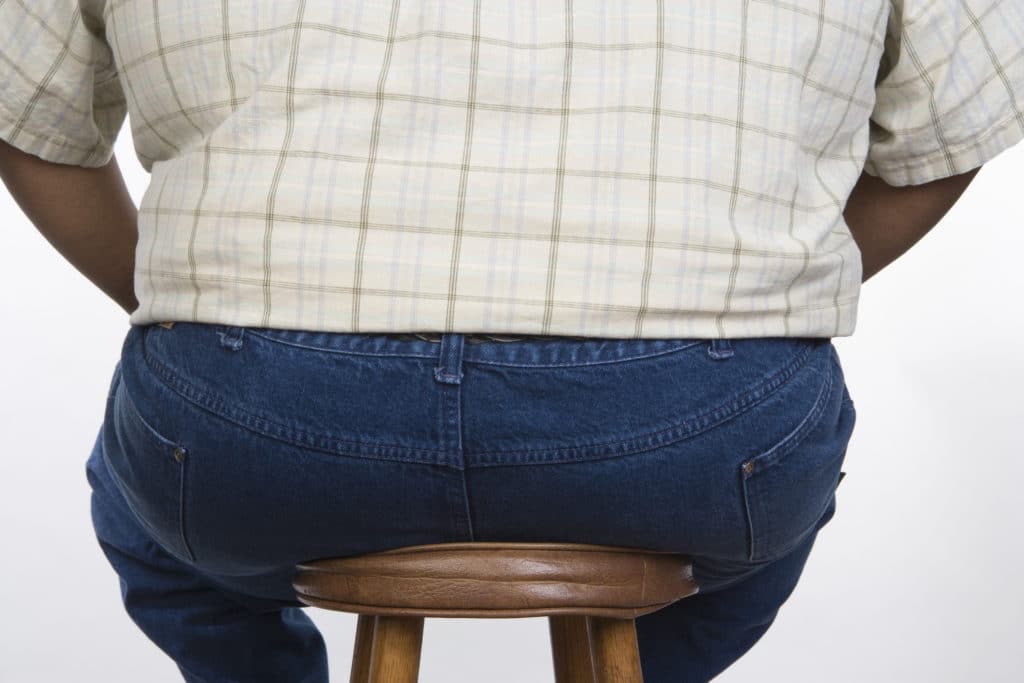
It’s a long-known fact that sitting for prolonged periods can increase your chances of developing everything from heart disease to cancer and diabetes, and can ultimately decrease your life expectancy. But there’s one side effect that you may not have realized is linked to sitting on your behind all day: Dead Butt Syndrome.
Yes, people are sitting for so long that their behinds are literally falling asleep. Also known as gluteal amnesia, dead butt syndrome is a condition that occurs when your gluteus medius gets inflamed and therefore, doesn’t function as it should.
Sitting for too long can restrict the blood flow, leading to hip pain, lower back aches, and ankle problems. Essentially, this happens because our anuses are not designed to hold weight for long periods. Spending an exorbitant amount of time on your butt decreases your body’s ability to use your gluteus muscles when they’re actually needed.
People experiencing dead butt syndrome may feel the familiar sensation of a body part “falling asleep” or an uncomfortable tingling. ‘Paresthesia,’ an abnormal sensation felt in your body due to compression or irritation of nerves, might vary from mild to severe and can be fleeting or long-lasting.
Pain and soreness in the buttocks:
This is a primary symptom, often felt when transitioning from sitting to standing or during activities that require gluteal activation.
Lower back pain:
Weak glutes can put extra strain on the lower back, leading to pain and discomfort.
Hip pain:
Gluteal weakness can also contribute to hip pain, especially when the hip flexors become tight.
Difficulty with certain movements:
Tasks like walking, climbing stairs, or squatting may become more challenging due to the weakened glutes.
Poor posture and alignment:
Weak glutes can lead to an outward rotation of the hips, contributing to postural imbalances.
Numbness or tingling:
In some cases, gluteal weakness can cause numbness or tingling in the buttocks or legs.
The main culprit is prolonged sitting, so if you have a sedentary lifestyle, like sitting at a desk chair for long hours every day, chances are you’re more susceptible to experience Dead Butt Syndrome. But here are some other less-known causes you should look for:
Lack of movement:
Insufficient physical activity and a lack of gluteal activation are also contributing factors.
Muscle imbalances:
Tight hip flexors and other muscle imbalances can further weaken the glutes.
Poor posture:
Slouching or improper posture can strain the glutes and contribute to weakness.

Your behind tends to shut down due to lack of activity and stimulus. It also causes strain on other muscles and joints and forces weaker muscles to do the job of the stronger gluteus maximus.
If you don’t see your physician about this, it could lead to “synergistic dominance,” where the smaller helper muscles of the hip and leg are now taking over movement and controlling weight sitting on the hips, spine and lower back.
Hip tightness is also a major culprit of dead butt syndrome. If your butt is not being utilized properly, it’s like literally squeezing the life out of your butt.
Improperly executing exercises can also contribute to the condition. When activating glutes, we often see trainers on social media doing reps that make the gluteus maximus more responsive than before.
Additionally, when the exercises don’t target the correct muscles, those smaller muscles mentioned earlier end up taking over the movement. This makes those smaller muscles become stronger, further robbing the gluteus maximus of the stimulus it’s now starved for.
Some great ways to prevent dead butt syndrome are:
Physical therapy:
Physical therapists can assess the individual’s gluteal function and recommend exercises to strengthen and re-educate the glutes.
Gluteal strengthening exercises:
Exercises like squats, lunges, hip thrusts, and glute bridges can help re-activate and strengthen the glutes.
Stretching:
Stretching tight hip flexors and other muscles that may be contributing to gluteal weakness is also important.
Posture correction:
Working on proper posture and using ergonomic tools can help alleviate strain on the glutes.
Regular physical activity:
Incorporating regular exercise and movement into daily life can help prevent and manage dead butt syndrome.
Active breaks during long periods of sitting:
Taking short walks or stretching during breaks can help prevent gluteal muscle fatigue.
One great rule-of-thumb to remember is for every hour of sitting, you need to take 10 minutes of standing and moving around to reactivate and keep those butt muscles from falling asleep. Stretching before and after exercising is also a good way to avoid Dead Butt Syndrome. This allows for the gluteus medius to strengthen properly and thereby negates the reciprocal inhibition.
Lastly, a quick walk up some stairs or a brisk walk will get your gluteals back into function mode.

Jasmine Browley holds an MA in journalism from Columbia College Chicago, and has contributed to Ebony, Jet and MADE Magazine among others. So, clearly, she knows some stuff. Follow her digital journey @JasmineBrowley.


By subscribing, you consent to receive emails from BlackDoctor.com. You may unsubscribe at any time. Privacy Policy & Terms of Service.