People undergoing immune-boosting therapy for advanced melanoma may respond better if they eat a high-fiber diet, a new study hints.
Researchers said much more study is needed, but their initial findings — in both melanoma patients and lab mice — suggest that fiber-rich foods may help via their effects on gut bacteria.
In contrast, there were signs that probiotic supplements might lessen that benefit.
The study — published Dec. 24 in Science — looked at how diet and the gut microbiome might affect cancer patients’ response to immunotherapy — treatments that enlist the immune system to help kill tumors.
RELATED: One Key Question Can Help Spot Skin Cancer
The microbiome refers to the trillions of bacteria and other microbes that naturally dwell in the human body, largely in the gut. Those microbes are integral to the body’s normal processes — from metabolism and nutrient synthesis to brain function and immune defenses.
In fact, immune system cells and gut bacteria are continually interacting, says Dr. Emeran Mayer, a professor at the University of California, Los Angeles, and author of the book “The Gut-Immune Connection.”
Gut bacteria play a key role in “educating and training” the immune system, Mayer explains.
Fiber, meanwhile, is one factor in the composition of the gut microbiome. It “feeds” certain types of bacteria — including ones that
produce short-chain fatty acids with anti-inflammatory, anti-tumor activity.
Past research has suggested that the gut microbiome can influence cancer patients’ responses to immune checkpoint inhibitors. Those drugs, such as Keytruda and Opdivo, are used to treat several types of cancer, and work by releasing a particular “brake” on immune system T-cells, freeing them to find and attack cancer cells.
RELATED: Have You Checked Your Skin Lately? It Could Save Your Life
So an intriguing question is whether diet, including fiber, can alter patients’ responses to those treatments, study author Dr. Jennifer Wargo, of the University of Texas MD Anderson Cancer Center in Houston says.
To investigate, her team studied 128 patients with advanced melanoma, the deadliest form of skin cancer.
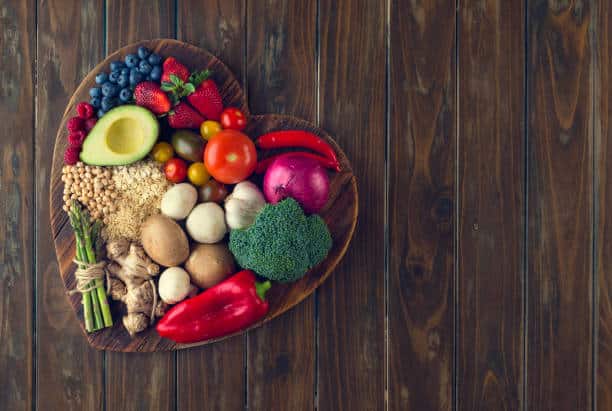
Diet questionnaires showed that 37 of those patients had “sufficient” fiber intake — at least 20 grams per day from foods like vegetables, fruit, beans and whole grains. The rest were getting too little dietary fiber.
On average, the study found, patients eating enough fiber fared better: 76% responded to immunotherapy, versus 60% of those with low-fiber diets. That meant their tumors had at least partly regressed, or their cancer remained stable for at least six months.
No such benefit was found among the 49 patients who said they used probiotic supplements, however. And the best response rate was seen among patients who ate plenty of fiber but took no probiotics — at 82%.
None of that proves fiber was the reason.
So the researchers next studied lab mice with melanoma tumors. They found that giving the animals commercially available probiotic supplements interfered with their response to immune checkpoint inhibitors.
In contrast, a high-fiber diet slowed tumor growth in mice treated with the drugs, and appeared to boost
their T-cell activity. The fiber-rich diet made no difference, however, in mice with no gut bacteria. According to Wargo, that suggests the diet exerted its effects via the gut microbiome.
RELATED: The Truth About Melanoma
After a cancer diagnosis, Wargo says, people often want to do something to take control and help support their treatment.
Sometimes they turn to supplements. But based on the current findings, Wargo says, caution may be in order.
“People undergoing cancer treatment should discuss probiotic use with their care team,” she suggests.
As for fiber, Mayer says more study is needed. He notes that there is “a lot of basic science” to support the notion that fiber could benefit cancer patients via the gut microbiome.
But to prove that, Mayer says, clinical trials will have to test the effects of adding fiber to patients’ diets. He notes that plant foods, the main source of dietary fiber, also have other nutrients, including polyphenols, that could be part of the story as well.
A trial putting fiber to the test is underway, according to Wargo. The researchers are enrolling melanoma patients receiving immunotherapy and will randomly assign them to varying amounts of dietary fiber, added to a healthy diet recommended by the American Cancer Society.
“It’s early days in this research,” Wargo shares. But ultimately, she adds, studies of diet, gut microbes and immune function could have broad implications — not only for people with various types of cancer, but everyone.
Could, for example, certain diets help people fight infections or respond better to vaccines, like those for the flu and COVID-19?
For anyone looking to support a healthy gut microbiome, Mayer says people should aim for a range of plant foods, as well as fermented foods like yogurt, fermented cottage cheese, kimchi and sauerkraut — which research has linked to greater diversity in gut bacteria.


By subscribing, you consent to receive emails from BlackDoctor.com. You may unsubscribe at any time. Privacy Policy & Terms of Service.