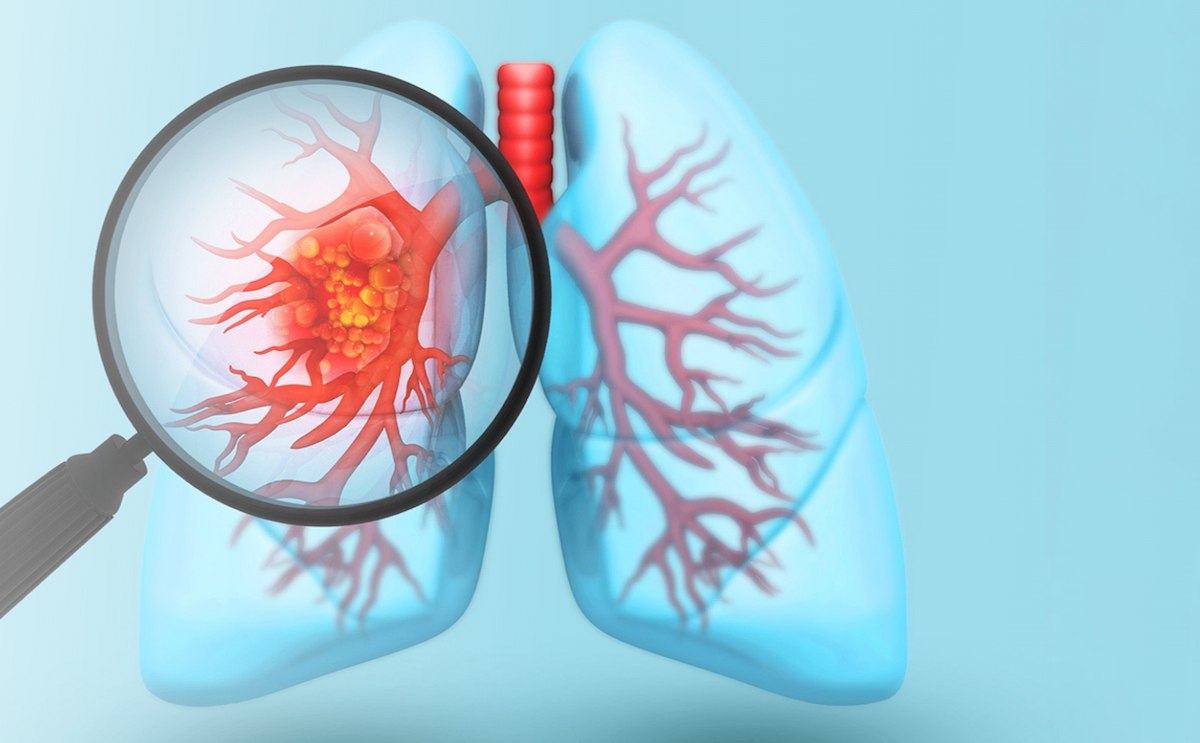
People with the lung disease COPD (chronic obstructive pulmonary disease) who overdo it on bacon, salami, and other cured meats may be at greater risk for experiencing a flare-up that lands them back in the hospital.
COPD is the umbrella term for chronic lung diseases including chronic bronchitis and emphysema. People with COPD often experience a worsening of their breathlessness and other symptoms (exacerbations) throughout the course of their disease. These flare-ups can result in hospital stays.
Celebrate great health! LIKE BlackDoctor.org on Facebook!
New research in the European Respiratory Journal suggests that people with COPD who ate more than one slice of ham or the equivalent of another type of cured meat each day were more likely to have a flare-up that sends them back to the hospital, when compared with their counterparts who did not eat as much cured meat.
Nitrates and nitrites are added to cured meats to enhance their flavor and color, and to extend their shelf life. Nitrates can be converted in the body to nitrites, which have been linked to increased cancer risk in animals. Some studies have also linked nitrites to an increased risk of stomach cancer in humans, but the evidence has not been conclusive.
Previous studies have suggested that eating cured meat may make a person more likely to develop COPD in the first place. The new study, however, shows it may also worsen disease in people who already have it.
Exactly how it may do so is unclear. The study authors suggest nitrites can damage lung tissue. “Our findings provide the first evidence that an excessive intake of cured meat can worsen progression of COPD,” says researcher Judith Garcia-Aymerich, MD, of the Centre for Research in Environmental Epidemiology in Barcelona, Spain. “We believe that adherence to current dietary guidelines, which recommend a moderate or occasional intake of cured meats, will be sufficient in order to avoid this excess of risk.”
What Is It About Cured Meats?
In the study of 274 people with COPD, participants ate about 23 grams of cured meat per day — which is about one slice of ham — on average. During more than two years of follow-up, 35% had at least one hospital readmission. Those who ate more than the equivalent of one slice of ham per day were more likely to be rehospitalized, and to be hospitalized sooner in the course of the study, than those who ate fewer cured meats.
Barry Make, MD, says it could be the salt, not the nitrites, that is driving this. He is a pulmonologist at National Jewish Health in Denver. These meats are loaded with salt. “COPD patients can have heart problems and may need to be cautious about their salt intake, which could lead to readmission,” he says.
These meats may be attractive to people with COPD. “They don’t have to be prepared so if you have trouble cooking, like many people with COPD do, they are easy and accessible.”
Len Horovitz, MD, is not a surprised by the findings. He is a pulmonary specialist at Lenox Hill Hospital in New York. “Nitrites are pro-oxidants that damage tissues, and we are now seeing this in the lung,” he says. “We are what we eat and it matters to organs beside our gastrointestinal tract.”
Along with quitting smoking and other lifestyle changes, not overdoing it on cured meat is good advice for people with COPD, Horovitz says.
Neil Schachter, MD, says more study is needed before any firm conclusions can be drawn about how cured meats affect COPD risk or its progression. He is a professor of pulmonary medicine at Mount Sinai School of Medicine in New York City. “We are a long way from proving that cured meats have a role in COPD, and that modifications to the diet will change that risk factor,” he says.


By subscribing, you consent to receive emails from BlackDoctor.com. You may unsubscribe at any time. Privacy Policy & Terms of Service.