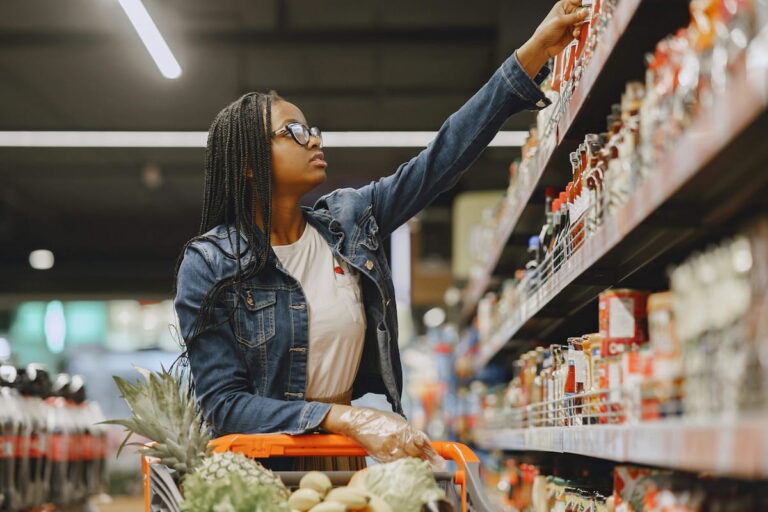
My mother always told me to not eat at everybody’s house. She said, “people are nasty and trifling.” It’s the little things you have to pay attention to: are the dishes and utensils clean when they’re cooking? Where are the pets when they’re in the kitchen cooking? How many times do they wash their hands? I’ve learned to watch people like a hawk before I say, “I want a plate!”

Charla L. Draper knows a thing or two about good eating and food safety. She’s the former Food Editor for Ebony and Southern Living magazines. Her food blog, ChowChow & Soul, is filled with everything food related from mouth watering recipes to information about how to man a bar. Draper’s years in the food industry have taught her a few things about food safety. She shares her tips on keeping it clean and safe in the kitchen.
BlackDoctor.org: What is food safety for the people who don’t know what we’re speaking about?
Draper: Food safety refers to the conditions and practices to preserve food quality, prevent food contamination and food-borne illness.
For example:
BlackDoctor.org: What are the top 5 ways to be safe in the kitchen?
Draper:
1. Wash your hands with soap and running water for 20 seconds or two verses of the “Happy Birthday” song from beginning to end.
2. Thaw frozen foods in the refrigerator, NOT at room temperature on the counter.
3. Avoid cross contamination. For example, watch out for dripping or splashes of juices from uncooked meat, poultry or seafood onto other utensils or the cutting board.
4. Keep hot foods hot and cold foods cold.
5. When cooking or heating frozen food in the microwave, follow the package directions. The International Microwave Power Institute (IMPI) reminds consumers that microwave oven power varies and by following the package directions you can make sure the food will reach the proper temperatures for food safety.
BlackDoctor.org: What are the effects of not being safe in the kitchen?
Draper: [Proper] Food safe storage, preparation and cooking practices will help in reducing food spoilage, foodborne illness, often referred to as food poisoning, and food contamination.


By subscribing, you consent to receive emails from BlackDoctor.com. You may unsubscribe at any time. Privacy Policy & Terms of Service.