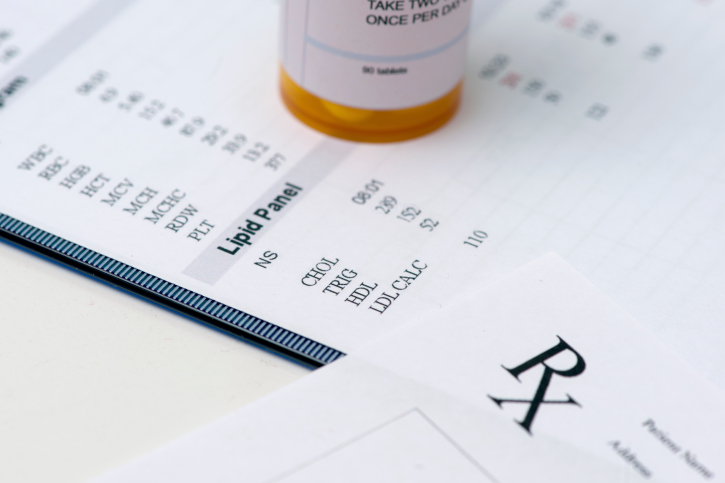
Too much cholesterol (ko-LES-ter-ol) in the blood, or high blood cholesterol, can be serious. People with high blood cholesterol have a greater chance of getting heart disease. High blood cholesterol itself does not cause symptoms, so many people are unaware that their cholesterol level is too high.
What Is Cholesterol?
To understand high blood cholesterol, it is important to know more about cholesterol.
Blood is watery and cholesterol is fatty. Just like oil and water, the two do not mix. So, in order to travel in the bloodstream, cholesterol is carried in small packages called lipoproteins (lip-o-PRO-teens). The small packages are made of fat (lipid) on the inside and proteins on the outside. Two kinds of lipoproteins carry cholesterol throughout your body. It is important to have healthy levels of both:
What Is High Blood Cholesterol?
Too much cholesterol in your blood can build up in the walls of your arteries (blood vessels that carry blood from the heart to other parts of the body). This buildup of cholesterol is called plaque (PLACK). Over time, plaque can cause narrowing of the arteries. This is called atherosclerosis (ath-er-o-skler-O-sis) or “hardening of the arteries.”
Special arteries, called coronary arteries, bring blood to the heart. Narrowing of your coronary arteries due to plaque can stop or slow down the flow of blood to your heart. When the arteries narrow, the amount of oxygen-carrying blood is decreased. This is called coronary artery disease (CAD). Large plaque areas can lead to chest pain called angina. Angina happens when the heart does not receive enough blood and the oxygen it carries. Angina is a common sign of CAD.
Some plaques have a thin covering and burst (rupture), releasing fat and cholesterol into the bloodstream. The release of fat and cholesterol may cause your blood to clot. A clot can block the flow of blood. This blockage can cause angina or a heart attack.
Lowering your cholesterol level decreases your chance for having a plaque burst and cause a heart attack. Lowering cholesterol may also slow down, reduce, or even stop plaque from building up.
Plaque and resulting health problems can also occur in arteries elsewhere in the body.
Other Names for High Blood Cholesterol
What Causes High Blood Cholesterol?
A variety of things can affect the cholesterol levels in your blood. Some of these things you can control and others you cannot.
You can control:
You cannot control:
What Are the Signs and Symptoms of High Blood Cholesterol?
There are usually no signs or symptoms of high blood cholesterol. Many people don’t know that their cholesterol level is too high.
Everyone age 20 and older should have their cholesterol levels checked at least once every 5 years. You and your doctor can discuss how often you should be tested.
How is High Blood Cholesterol Diagnosed?
High blood cholesterol is diagnosed by checking levels of cholesterol in your blood. It is best to have a blood test called a lipoprotein profile to measure your cholesterol levels. Most people will need to “fast” (not eat or drink anything) for 9 to 12 hours before taking the test.
The lipoprotein profile will give information about your:
If it is not possible to get a lipoprotein profile done, knowing your total cholesterol and HDL cholesterol can give you a general idea about your cholesterol levels. Testing for total and HDL cholesterol does not require fasting. If your total cholesterol is 200 mg/dL or more, or if your HDL is less than 40 mg/dL, you will need to have a lipoprotein profile done.
Cholesterol levels are measured in milligrams (mg) of cholesterol per deciliter (dL) of blood. See how your cholesterol numbers compare to the tables below.
| Total Cholesterol Level | Total Cholesterol Category |
| Less than 200 mg/dL | Desirable |
| 200-239 mg/dL | Borderline high |



By subscribing, you consent to receive emails from BlackDoctor.com. You may unsubscribe at any time. Privacy Policy & Terms of Service.
Enter your name and email to receive the download link.