For many Black men, growing up came with unstated rules about what it meant to “be a man.” They were often taught to be strong, to protect their families, to work hard, to solve problems, and to keep their feelings to themselves. Crying was often seen as a weakness, and asking for help could make them feel as though they had failed. Many learned at a young age to carry their struggles quietly, no matter how difficult life became.
Those messages didn’t appear overnight. They were formed by generations of history, family experiences, cultural expectations, and the realities of living in a society where Black men have often faced racism, discrimination, and pressure to prove themselves constantly. For many, staying strong wasn’t just encouraged—it felt necessary for survival, and even then, suicide rates increased.
Today, many Black men are changing what it means to be strong. More are going to therapy, joining men’s support groups, talking openly about their mental health, becoming more involved fathers, and building healthier relationships. They are showing that being strong doesn’t mean pretending everything is okay. Real strength also means facing life’s challenges while taking care of your mental and emotional health.
Healthy masculinity doesn’t mean giving up strength or responsibility. It means understanding that real strength includes knowing when to ask for support, express your feelings, and take care of yourself.
Historically, Black men have been forced into toxic masculinity to preserve their sanity and to protect and provide for their families. To understand why many Black men find it difficult to express emotions today, it’s important to understand the history behind it. For generations, Black men have often needed to navigate racism, unfair treatment, economic barriers, and concerns about their personal safety. Many grew up hearing messages like:
Today, Black men continue to inherit and pass down a legacy of trauma stemming from generations of hypermasculine gender socialization, “the process through which children learn about the social expectations, attitudes and behaviors typically associated with boys and girls.” These lessons were often taught out of love and protection.
Parents and grandparents wanted to prepare their sons for a world that wasn’t always fair. As a result, many Black men grew up believing they had to hide feelings like fear, sadness, disappointment, and grief. Showing those emotions often didn’t feel safe or acceptable.
That survival mindset helped many people endure difficult circumstances. But constantly carrying emotional pain without talking about it can also affect mental and physical health. Research has found that traditional ideas about masculinity can discourage men from seeking help and may result in higher levels of stress, anxiety, depression, and loneliness.
RELATED: Is Hyper-Masculinity Healthy? Can a Man be a “Man”?
Many boys hear phrases such as:
While these messages are often meant to encourage resilience, they can also teach boys to avoid showing emotion. Over time, many men become experts at hiding how they feel. They may continue working while emotionally exhausted, avoid talking about stress, or believe they have to solve every problem on their own. For many Black men, that pressure can feel even greater because they may also carry responsibilities at work, within their families, and in their communities.
The problem is that emotions don’t disappear just because they’re ignored. Stress, grief, disappointment, and anxiety often show up in other ways, such as trouble sleeping, anger, irritability, high blood pressure, unhealthy coping habits, or withdrawing from loved ones. Learning to recognize and express emotions doesn’t make someone weak. It helps prevent those emotions from building up over time.
One of the biggest changes happening today is that more Black men are becoming open to therapy. Years ago, therapy was often misunderstood. Some believed it was only for people experiencing a crisis or severe mental illness. Others worried family or friends would judge them. That view is changing. Many Black men now see therapy as a resource for growth rather than a last resort.
Therapists can help people:
Therapy doesn’t mean something is “wrong” with you. Just like seeing a doctor for your physical health, talking with a mental health professional can help you care for your emotional health before problems become overwhelming.
Many men are also turning to life coaches, faith leaders, creative outlets, exercise and wellness programs that support physical and mental regulation, and mentorship with culturally responsive counselors who understand their experiences and provide support in ways that feel comfortable and meaningful.
RELATED: Invisible Man: Black Men & PTSD
Therapy isn’t the only way to find support. More Black men are joining support groups, working with coaches, connecting through churches, and participating in community organizations where they can talk openly with other men who have gone through similar experiences. Sometimes, simply hearing someone say, “I’ve been through that too,” can make a big difference. These spaces remind men that they don’t have to face life’s challenges alone.
Support groups also encourage accountability, healthy friendships, and honest conversations about topics that many men were never taught how to discuss, including stress, fatherhood, relationships, grief, finances, and mental health.
When people hear the word vulnerability, they may think it means breaking down emotionally or telling everyone their personal business. But that’s not what healthy vulnerability is. It simply means being honest about your thoughts and feelings with people you trust.
It can look like:
In most parts of the world, expressing emotions is often seen as a feminine trait. But the opposite — overly self-reliant and unemotional behavior — is linked to men being less likely to seek help for mental health issues, having higher rates of death by suicide, and more frequently being the victims of homicide, according to the American Psychological Association.
Being emotionally honest doesn’t take away your strength. In many cases, it takes more courage to speak honestly than it does to stay silent.
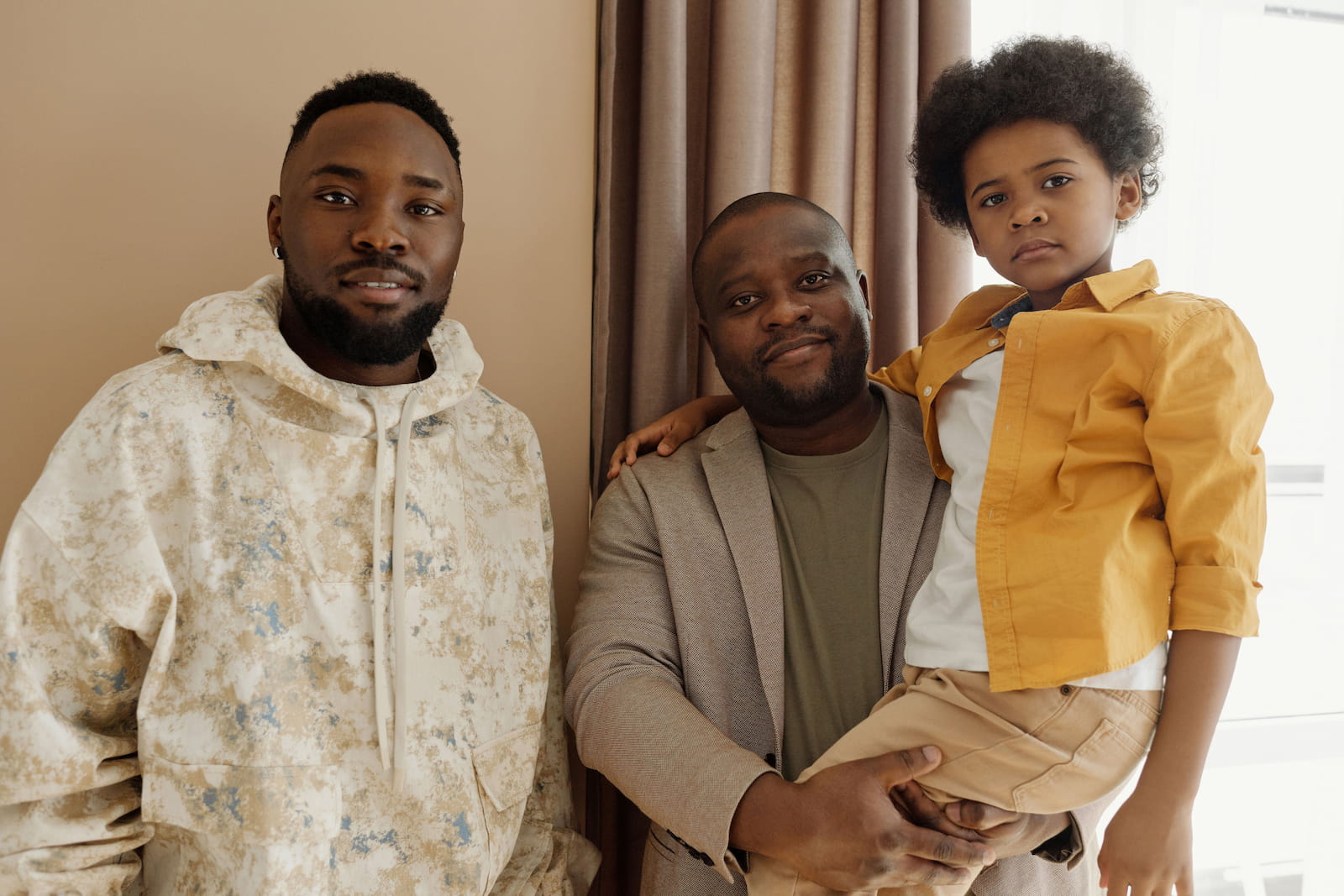
Many Black fathers today are raising their children differently than they were raised. Instead of teaching boys to hide their feelings, many fathers are encouraging emotional awareness from an early age.
That might include:
Children learn by watching the adults around them. When fathers show respect, communicate openly, and express their feelings in healthy ways, they teach their children that true strength includes kindness, patience, and understanding.
Many men were never taught how to talk about their feelings in a relationship. Because of this, some avoid difficult conversations because they don’t want conflict or simply don’t know what to say. Healthy masculinity encourages honest and respectful communication.
This can include:
Strong relationships aren’t built because one person never has problems. They’re built when both people feel safe enough to be honest, listen to each other, and work through challenges together.
Many Black men spend so much time taking care of others that they forget to take care of themselves. They may be supporting children, aging parents, spouses, extended family members, coworkers, or community members. While helping others is admirable, constantly putting your own needs last can lead to burnout. Taking care of yourself isn’t selfish. It helps you stay healthy enough to continue caring for the people who depend on you.
Self-care doesn’t have to be complicated. It might mean:
Even minor changes can improve both your physical and emotional health.
RELATED: “I’m Good” Isn’t Always the Truth: Mental Health and Black Men
A 2022 study found that young Black males were “more likely than white male youths to feel greater pressure to be physically and emotionally strong, play sports, and to dominate or control others.” One of the most powerful forces at work today is that many Black men are choosing to redefine masculinity for the next generation. They’re showing sons, nephews, students, and young men that strength isn’t measured by how much pain you can hide. Instead, strength looks like:
These examples teach young people that being a strong man and being an emotionally healthy man are not opposites—they go hand in hand.
Healthy masculinity in 2026 is not about letting go of strength. It’s about expanding what strength means. For many Black men, resilience has always been part of their story. However, resilience doesn’t have to mean carrying every burden alone or hiding every emotion. Real strength also includes knowing when to rest, when to speak up, when to ask for help, and when to care for your own well-being.


By subscribing, you consent to receive emails from BlackDoctor.com. You may unsubscribe at any time. Privacy Policy & Terms of Service.