There are plenty of sweet foods on store shelves and in refrigerated display cases that don’t actually have sugar in them. Manufacturers make these foods with non-nutritive sweeteners—reduced-calorie, low-calorie and no calorie sugar substitutes. These sweeteners are created from alcohols, amino acids, and other chemical formulas that have been approved by the Food and Drug Administration (FDA) for dietary use.
Sugar alcohols are one type of reduced-calorie sweetener. Sugar alcohols provide a sweet taste with fewer calories per gram than table sugar (sucrose) and are commonly used in place of sugar and often in combination with artificial sweeteners. Contrary to their name, sugar alcohols are not sugar or alcohol the way we think of them. They do not contain the type of alcohol found in alcoholic beverages.
When you’re reading food labels, you’ll recognize sugar alcohols easily because their names always end in “ol”—sorbitol, xylitol, erythritol, maltitol, and mannitol. Keep an eye out for these because they should be used in moderation. Using large amounts of sorbitol (more than 50 grams a day) or mannitol (more than 20 grams a day) can cause abdominal gas, bloating, and diarrhea.
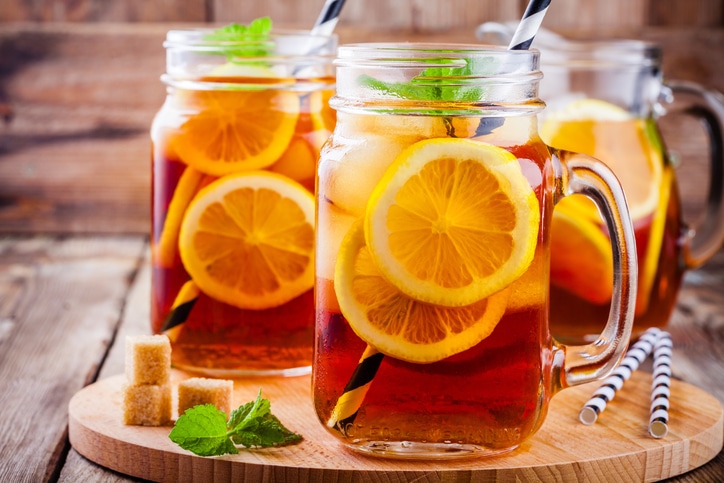
Low-calorie sweeteners are also known as sugar substitutes. They provide practically no calories and won’t increase your blood glucose levels. There are lots of them on the market these days. They can be used alone to sweeten foods and beverages such as iced tea or coffee, or as an ingredient in other products.
Common sugar substitutes include:
Acesulfame K also called acesulfame potassium, or ace-K is 200 times sweeter than sugar. Packaged under the brand names Sweet One, Sunette, and Swiss Sweet, it is used in cooking, baking and as a table top sweetener. It can be found in desserts, puddings, soft drinks, candies, and canned foods.
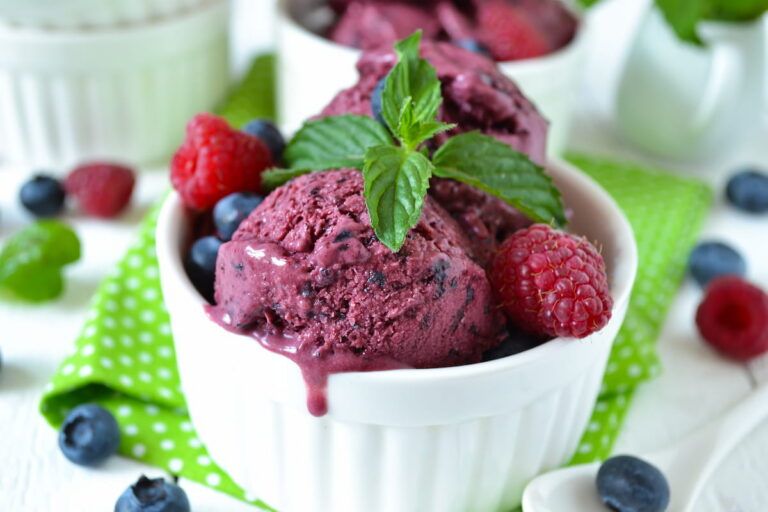
Aspartame is a combination of the amino acids phenylalanine and aspartic acid. It is 220 times sweeter than sugar. Brand names are NutraSweet, Equal, and NutraTaste. You’ll find it in low-calorie beverages and dry drink mixes, puddings and fillings, frozen desserts, and yogurt. People with phenylketonuria (PKU) – a rare genetic condition that affects metabolism, should not use aspartame.
Monk Fruit, an extract from monk fruit is 250 times sweeter than sugar. It is used as a tabletop sweetener, food ingredient, and component of other sweetener blends. Brand names are Nectresse, Monk Fruit in the Raw, PureLo and LowSweet.
Neotame can be used as a sweetener and flavor enhancer, and it’s a whopping 8,000 times sweeter than sugar. You’ll find it in baked goods, soft drinks, chewing gum, frosting, frozen desserts, jams and jellies, gelatins, puddings, processed fruit and fruit juices, and syrups. It can be used alone or blended with other sweeteners.
Saccharin has been used as a no-calorie sweetener for over 100 years. Saccharin is three hundred times sweeter than sugar. It can be found in sugar-free foods and beverages including baked goods, jams, chewing gum, canned fruit, candy, dessert toppings and salad dressing. Brand names are Sweet’n Low, Sugar Twin, and Necta Sweet.
Stevia is an extract from the leaves of the stevia plant. It’s 200 times sweeter than table sugar and can be found in a variety of foods and beverages and tabletop sweeteners under the brand names Truvia, PureVia, and Enliten.
Sucralose is made from sugar but is 600 times sweeter than sugar. Sucralose, brand named Splenda can be found in a broad range of foods, beverages, and table top sweeteners.
Having diabetes does not mean you have to use no calorie sugar substitutes. There is no one sweetener that is best for people with diabetes. If you don’t like the taste of faux sugar, you can work nutritive sweeteners such as agave nectar into your diet. Just work closely with your registered dietitian nutritionist or diabetes health care team, keep a careful eye on your blood glucose and balance your diet carefully. Click here to find a registered dietitian nutritionist near you.

Constance Brown-Riggs, MSEd, RD, CDE, CDN is a registered dietitian, certified diabetes educator, national speaker and author of The African American Guide to Living Well with Diabetes.. She is a Dannon One Yogurt Every Day Nutrition Advisor.


By subscribing, you consent to receive emails from BlackDoctor.com. You may unsubscribe at any time. Privacy Policy & Terms of Service.