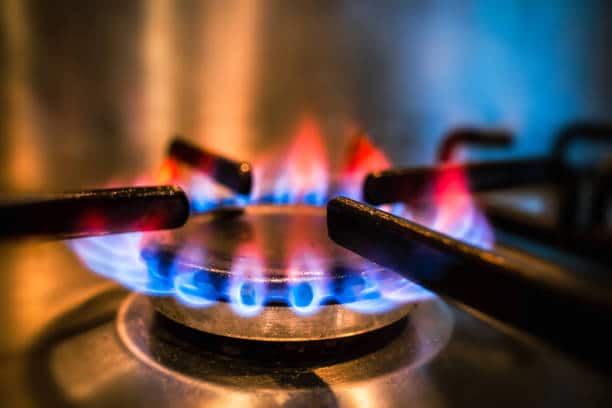
Gas stoves can potentially cause asthma symptoms in some individuals, particularly those with pre-existing asthma or other respiratory conditions. The combustion of natural gas or propane in gas stoves produces emissions, including nitrogen dioxide and carbon monoxide, which can irritate the airways and cause coughing, wheezing, and difficulty breathing.
Additionally, gas stoves can also produce fine particulate matter, which can exacerbate asthma symptoms.
However, it is important to note that not all individuals will be affected by gas stove emissions, and not all gas stoves are the same.
Factors such as the age and condition of the stove, proper ventilation, and maintenance can also play a role in how much emissions are produced and how much is inhaled by those using the stove.
If you have asthma or other respiratory conditions and suspect that your gas stove may be causing symptoms, it is important to speak with your doctor or an allergist. They can help you determine the cause of your symptoms and provide appropriate treatment options.
RELATED: Your Gas Stove Might Make You (and the Planet) Sick
Gas stove injuries can include burns from touching hot surfaces, cuts or punctures from sharp edges, and inhaling toxic fumes if there is a gas leak.
To prevent gas stove injuries, it is important to regularly check for gas leaks, keep the stove and surrounding area clean and free of clutter, use proper lighting when cooking, and never leave the stove unattended while it is in use.
It is also important to keep children and pets away from the stove and to teach them about stove safety.
In the case of a gas leak or other emergency, it is important to know how to properly shut off the gas supply to the stove and to evacuate the area immediately.
Yes, there are several alternatives to gas stoves that can be considered:
It’s important to note that each alternative has its own set of pros and cons, and it’s best to consider which one best suits your needs, budget, and cooking preferences.
Gas stove asthma is a condition where a person experiences asthma symptoms, such as difficulty breathing, wheezing, and chest tightness, when using a gas stove or other gas-burning appliance. If you suspect that you have gas stove asthma, it is important to see a doctor for proper diagnosis and treatment.
If you have been diagnosed with gas stove asthma, there are several steps you can take to manage your symptoms:


By subscribing, you consent to receive emails from BlackDoctor.com. You may unsubscribe at any time. Privacy Policy & Terms of Service.