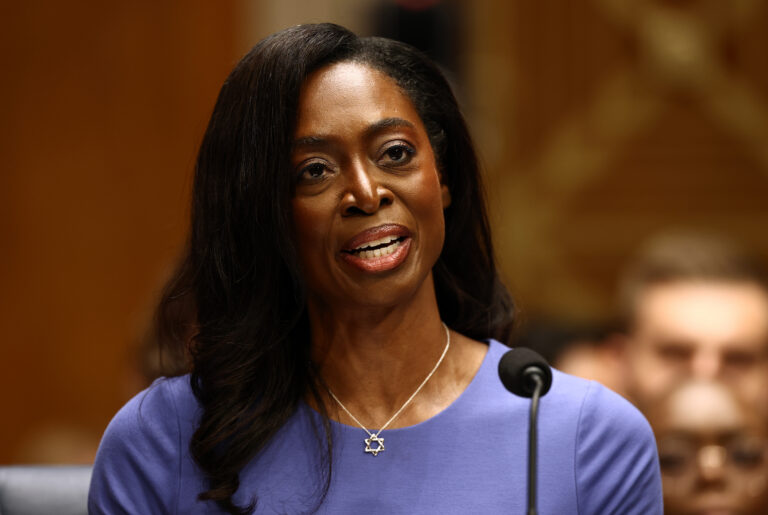
Breastfeeding has many benefits for the mother and child. Unfortunately, Black women still lag far behind Hispanic and White women in breastfeeding. Although the past decade has shown a lot of growth according to the CDC, there is still much ground to be made up. BlackDoctor.org is privileged to speak with Dr. Talitha Bruney, an OBGYN and Co-Chair of the Breastfeeding Committee for Montefiore Health and also Kimarie Bugg, MSN, MPH, CLC, who is President and CEO of ROSE (Reaching Our Sisters Everywhere).
YOU MAY ALSO LIKE: Normalize Breastfeeding: 8 Things To Consider Before You Start Judging
ROSE was founded to address breastfeeding disparities among women of color through culturally competent training, education, advocacy and support. Ms. Bugg is one of the first lactation consultants of color in the United States and has been involved in breastfeeding advocacy in several capacities. Her work at the local and state level provided her a great deal of perspective on the disparities that exist in breastfeeding. Her realizations prompted her to start ROSE in 2011 to bring awareness and support to women of color.
These two giants in the field of breastfeeding spoke with BlackDoctor.org about the benefits of breastfeeding for the mother and child and the challenges for Black women who breastfeed.
Lowers Risk of Breast Cancer
Kimarie Bugg tells BlackDoctor.org, “Women who breastfeed have fewer incidences of breast cancer. One of the things that was discovered a few years ago is something called hamlet cells. Hamlet cells destroy tumors. Hamlet cells were discovered in abundance in breast milk a few years ago and have [been] shown to decrease the amount of cancerous cells.”
According to BreastCancer.org, breastfeeding lowers breast cancer risk if a woman breastfeeds for longer than one year. The benefits of breastfeeding decreases if she does it for less than a year. Breastfeeding is great for the breasts in general because the constant production of breastmilk keeps the breast cells in check, there are fewer menstrual cycles which means lower estrogen levels (high estrogen levels increase risk of breast cancer) and women tend to live healthier lifestyles while breastfeeding.
Decreases Risk of Heart Disease
Black women suffer from heart disease twice as much as White women according to the Black Women’s Health Imperative. Studies have shown that the longer a woman breastfed the lower her risk of heart disease became. The thickness of your carotid arteries are an indication of the extent of atherosclerosis (a risk factor for heart disease). Seventeen percent of women who breastfed for a month or less had atherosclerotic plaques compared to 11% of women who breastfed for 10 months or longer.
Weight Loss
For sisters looking to keep the excess weight off after your pregnancy try breastfeeding. Breastfeeding has been proven especially beneficial to women who were obese prior to pregnancy. Following strict adherence to American Academy of Pediatrics (AAP) guidelines for breastfeeding is key to obese women reaping the full benefits of breastfeeding. AAP recommends that you breastfeed for at least four months to 12 months according to Medical Daily. The obese women who followed this program weighed 18 less pounds than women who didn’t breastfeed.
YOU MAY ALSO LIKE: Black Women Do Breastfeed: 5 Reasons More Of Us Should
Decreases Chances of Childhood and Adolescent Obesity
Breastfed babies have proven to be at a decreased risk for childhood and adolescent obesity. When babies are breastfed it allows them to control their own intake and stop when satisfied. This type of behavior follows them into their childhood and beyond, allowing them to be regulated in their eating patterns. A study reported that at five to six years of age, children who were never breastfed had obesity rates of 4.5 percent compared to obesity rates of 0.8 percent for children who were breastfed for 12 months or more. These results continued to show the same level of results as these children got older.
YOU MAY ALSO LIKE: Why Do Black Babies Have Twice The Infant Mortality Rate
Less Risk of Sudden Infant Death Syndrome
Black babies die from sudden infant death syndrome (SIDS) at twice the rate of the non-Hispanic Whites according to the U.S. Department of Health and Human Services. Breastfeeding helps to decrease the risk by delivering antibodies known as immunoglobulins that can help protect infants from infection during the SIDS risk period (2-4 months of age).
Helps Prevent Ear Infections
Breastfeeding provides the child with the necessary immunoglobulins to protect the mucous membranes from infection. The immunoglobulins are found in high amounts in breastmilk in the first year of a child’s birth.
Healthy Nutrients for Premature Babies
Premature babies may suffer from developmental issues. Breastmilk has proteins and a set of fats that are super beneficial for preemies in their first few crucial weeks of birth.
Diabetes
Black people are the number one target for this disease. Breastfeeding helps to lower a mother’s and child’s risk of type 1 and type 2 diabetes.
Work Over Breastfeeding
Kimarie Bugg: “We go back to work earlier. A woman could have a baby on Thursday and go back to work on Monday. Our women often work in industries that aren’t conducive to taking off (retail, fast food, etc.) They don’t have the luxury of even a 6-8 week maternity leave while other countries have longer maternity leaves.”
Dr. Bruney: “Working mothers or mothers in school believe that they can’t breastfeed if they have to go back to work/school early. They are concerned that the infant may not adjust well, or that they will not be able to maintain breastfeeding. A mother’s breastfeeding rights are supposed to be respected by her employer. As per the New York State Breastfeeding Mother’s Bill of Right, up to 3 years after giving birth breastfeeding mothers are allowed paid or unpaid break time to express breastmilk at the workplace in a private space.”
Breastfeeding in Public
Dr. Bruney: “There is still a lot of scrutiny about breastfeeding in public. Women are free to breastfeed in public or private without being discriminated against.”
Conflicting Information
Dr. Bruney: “Family members including husbands and grandmothers may provide conflicting information about breastfeeding. Attending a class prenatally is often very beneficial for all family members, as well as reaching out to the outpatient support/resources postpartum.”
Healthcare Isn’t Helping
Kimarie Bugg: “Physicians don’t talk to women of color while they’re pregnant about breastfeeding. Physicians have said they’ve read in the literature that women of color don’t breastfeed, so they don’t waste their time talking about it. Our mothers are resource deprived because of it. “
Can’t Give Up the Bottle
Dr. Bruney: “Many women believe that they have to supplement with formula, as “breastmilk is not enough.” They feel more comfortable being reliant on a bottle where they can gauge the volume being consumed by their infant, as opposed to breastfeeding only.”
When and How Long Do I Breastfeed?
Dr. Bruney: “Some women have a hard time initiating breastfeeding in the hospital. Studies have shown that these women who initiate breastfeeding late, usually have less success with breastfeeding and a shorter duration.”
“Women who do extended breastfeeding (over 1 year) are often frowned upon. However women can breastfeed for as long as they feel comfortable.”
Legislation Challenges
Kimarie Bugg: “Divisive legislation about who can and can’t assist with breastfeeding is a barrier to women getting the type of care they need. These laws impact women of color greatly because of their stiff regulations and tendency to benefit populations who take advantage of their results.”
According to the newest report from the CDC the numbers of Black women breastfeeding are increasing, but the gap between Black women and other races are still wide. Organizations like the Kellogg Foundation, Black Mother’s Breastfeeding Association, BlackWomenDoBreastfeed, American Congress of Obstetricians and Gynecologists and social media pages like Blacktavist and Black Breastfeeding 360 are spreading the message about the importance of breastfeeding.


By subscribing, you consent to receive emails from BlackDoctor.com. You may unsubscribe at any time. Privacy Policy & Terms of Service.