If you have a chronic health condition, a cosmetic Botox injection may carry far higher risks than expected.
A major UK study finds people with illnesses like type 1 diabetes, thyroid disease, and chronic migraine are much more likely to experience adverse side effects from botulinum toxin used for cosmetic treatments.
Researchers surveyed 919 adults in the UK who received Botox for aesthetic reasons.
The results showed patients with type 1 diabetes were 92 times more likely to report nausea after treatment compared to those without the condition.
Patients with thyroid disorders or chronic migraine faced about a tenfold increase in nausea risk. Other complications linked to pre-existing conditions included headaches, bruising, muscle weakness, and persistent eyelid droop.
People with cataracts were 30 times more likely to report headaches, according to the data, while those with prior injuries had a 21 times higher risk of losing facial expression.
The co-lead author says this study “exposes the myth that botulinum toxin is a trivial cosmetic procedure.”
He and his colleagues say Botox injections should be treated as medical procedures — not beauty tasks — and restricted to medically qualified professionals.
RELATED: Thinking About Getting a Little Something? Navigating Botox, Fillers, and Skincare Essentials
Botox is made using a bacterium called Clostridium botulinum, which produces the neurotoxins in Botox, according to the Cleveland Clinic.
Healthcare providers use a specific strain of bacteria (type A) for medical injections. Botulinum toxins are naturally found in soil and contaminated foods. Consuming large quantities of these toxins or bacteria entering a wound can lead to botulism, a serious nervous system disorder that affects breathing. To ensure safety and effectiveness, Botox is manufactured in a laboratory, where technicians dilute and sterilize the botulinum toxins to prevent botulism.
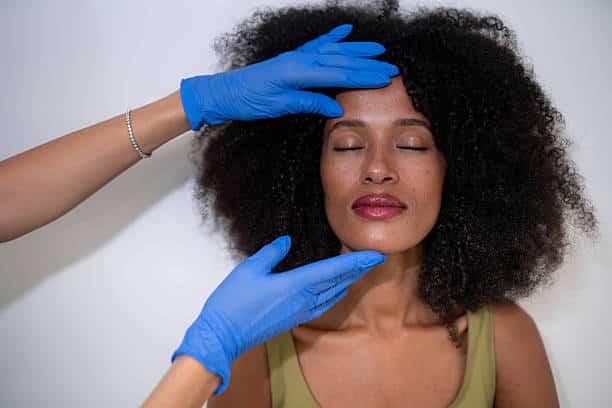
If you are managing a long-term illness but are still considering cosmetic injectables, take these steps to mitigate your risk:
Avoid clinics that treat Botox like a retail transaction. Seek out a Board-Certified Dermatologist or Plastic Surgeon who operates out of a medical facility. They are better equipped to understand the pharmacology of the toxin in relation to your specific condition.
Do not omit any part of your medical history on intake forms. Even if you think your thyroid condition has nothing to do with your forehead wrinkles, this study proves otherwise. Specifically mention:
If it’s your first time or if you have a high-risk condition, ask your provider about starting with a lower-than-average dose. It is much easier to add more units later than it is to deal with systemic nausea or muscle weakness for three months while the toxin wears off.
If you have Type 1 Diabetes or a Neurological disorder, give your specialist (Endocrinologist or Neurologist) a quick call. Ask: “Are there any reasons my specific current labs or flare-up status would make me more reactive to a neuromuscular blocker?”
Most people only look for bruising at the injection site. If you have a chronic condition, watch for systemic symptoms in the 48 hours following treatment:

A Note on Safety: If you experience difficulty breathing, swallowing, or severe muscle weakness after an injection, seek emergency medical care immediately, as these can be signs of the toxin spreading beyond the intended area.
If you are considering Botox, it helps to be prepared and know what you are getting into. Here are some questions to ask your doctor:


By subscribing, you consent to receive emails from BlackDoctor.com. You may unsubscribe at any time. Privacy Policy & Terms of Service.