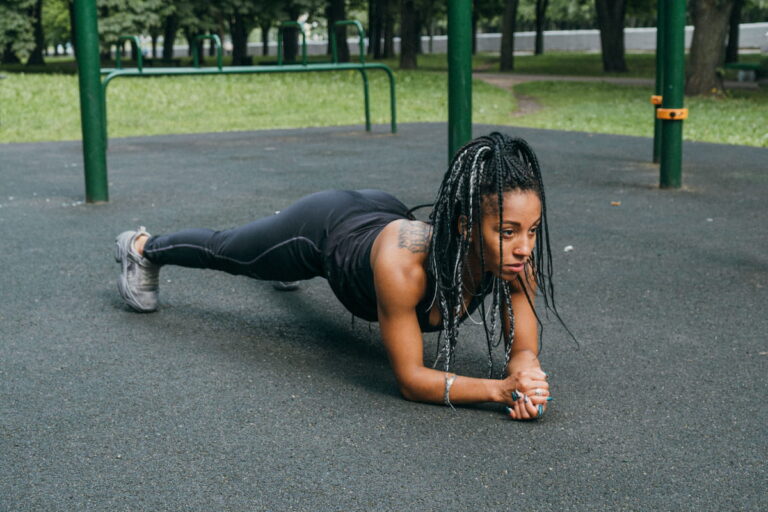
Diabetes and exercise go hand in hand, at least when it comes to managing your diabetes. Exercise can help you improve your blood sugar control, as well as boost your overall fitness and reduce your risk of heart disease and nerve damage.
But diabetes and exercise pose unique challenges, too. Remember to track your blood sugar before, during and after exercise. Your records will reveal how your body responds to exercise — and help you prevent potentially dangerous blood sugar fluctuations.
Like what you’re reading? Then LIKE us on Facebook!
Before you exercise…
Before jumping into a fitness program, get your doctor’s OK to exercise — especially if you’ve been inactive. Discuss with your doctor which activities you’re contemplating and the best time to exercise, as well as the potential impact of medications on your blood sugar as you become more active.
MUST SEE: Help take control of your health today with Meta Daily Blood Sugar Support.
The best exercises…
For the best health benefits, experts recommend 150 minutes a week of moderately intense physical activities such as:
• Fast walking
• Lap swimming
• Bicycling
During exercise: Watch for symptoms of low blood sugar
During exercise, low blood sugar is sometimes a concern. If you’re planning a long workout, check your blood sugar every 30 minutes — especially if you’re trying a new activity or increasing the intensity or duration of your workout.
What if your blood sugar is too high? Here’s what you can do –> click here <–
This may be difficult if you’re participating in outdoor activities or sports. However, this precaution is necessary until you know how your blood sugar responds to changes in your exercise habits.
After exercise…
If you’re taking insulin or medications that can cause low blood sugar (hypoglycemia), test your blood sugar 30 minutes before exercising and again immediately before exercising. This will help you determine if your blood sugar level is stable, rising or falling and if it’s safe to exercise.
The guidelines you need to keep in mind…
Consider these general guidelines relative to your blood sugar level — measured in milligrams per deciliter (mg/dL) or millimoles per liter (mmol/L).
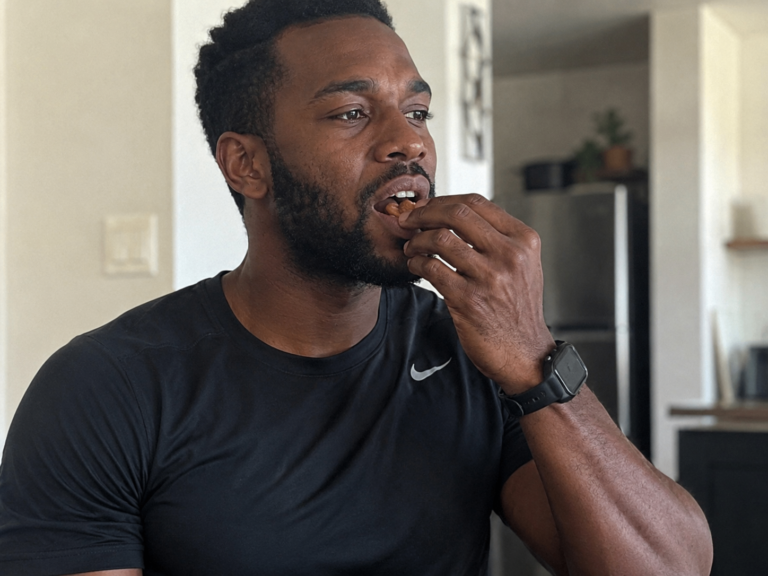
• Lower than 100 mg/dL (5.6 mmol/L). Your blood sugar may be too low to exercise safely. Eat a small carbohydrate-containing snack, such as fruit or crackers, before you begin your workout.
100 to 250 mg/dL (5.6 to 13.9 mmol/L). You’re good to go. For most people, this is a…
…safe pre-exercise blood sugar range.
• 250 mg/dL (13.9 mmol/L) or higher. This is a caution zone. Before exercising, test your urine for ketones — substances made when your body breaks down fat for energy. Excess ketones indicate that your body doesn’t have enough insulin to control your blood sugar. If you exercise when you have a high level of ketones, you risk ketoacidosis — a serious complication of diabetes that needs immediate treatment. Instead, wait to exercise until your test kit indicates a low level of ketones in your urine.
• 300 mg/dL (16.7 mmol/L) or higher. Your blood sugar may be too high to exercise safely, putting you at risk of ketoacidosis. Postpone your workout until your blood sugar drops to a safe pre-exercise range.
Stop exercising if:
• Your blood sugar is 70 mg/dL (3.9 mmol/L) or lower
• You feel shaky, nervous or confused
After you exercise: Check your blood sugar again
Check your blood sugar right away after exercise and again several times during the next few hours. Exercise draws on reserve sugar stored in your muscles and liver. As your body rebuilds these stores, it takes sugar from your blood. The more strenuous your workout, the longer your blood sugar will be affected. Low blood sugar is possible even hours after exercise.
Foods that help raise blood sugar…
If you do have low blood sugar after exercise, eat a small carbohydrate-containing snack, such as fruit or crackers, or drink a small glass of fruit juice. Additional healthy choices include:
• Two to five glucose tablets
• 1/2 cup (118 milliliters) of fruit juice
• 1/2 cup (118 milliliters) of regular (not diet) soda
• Five or six pieces of hard candy
Recheck your blood sugar 15 minutes later. If it’s still too low, have another serving and test again 15 minutes later. Repeat as needed until your blood sugar reaches at least 70 mg/dL (3.9 mmol/L). If you haven’t finished your workout, continue once your blood sugar returns to a safe range.
Remember, help take better control of your health today with Meta Daily Blood Sugar –> click here <–
Exercise can be beneficial to your health in many ways, but if you have diabetes, testing your blood sugar before, during and after exercise may be just as important as the exercise itself.


By subscribing, you consent to receive emails from BlackDoctor.com. You may unsubscribe at any time. Privacy Policy & Terms of Service.