For years, video games have often been seen as something made mostly for children or young men. Some people still think gaming is a waste of time or simply a way to avoid real-life responsibilities. But for many Black women, gaming has become something much more meaningful.
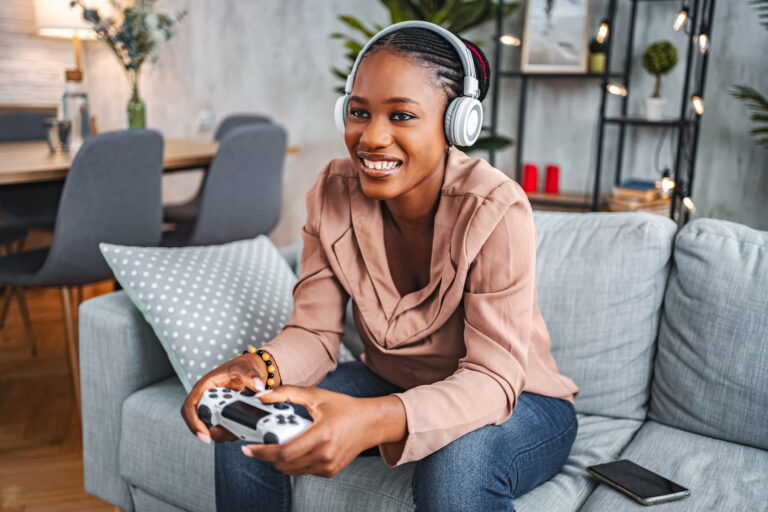
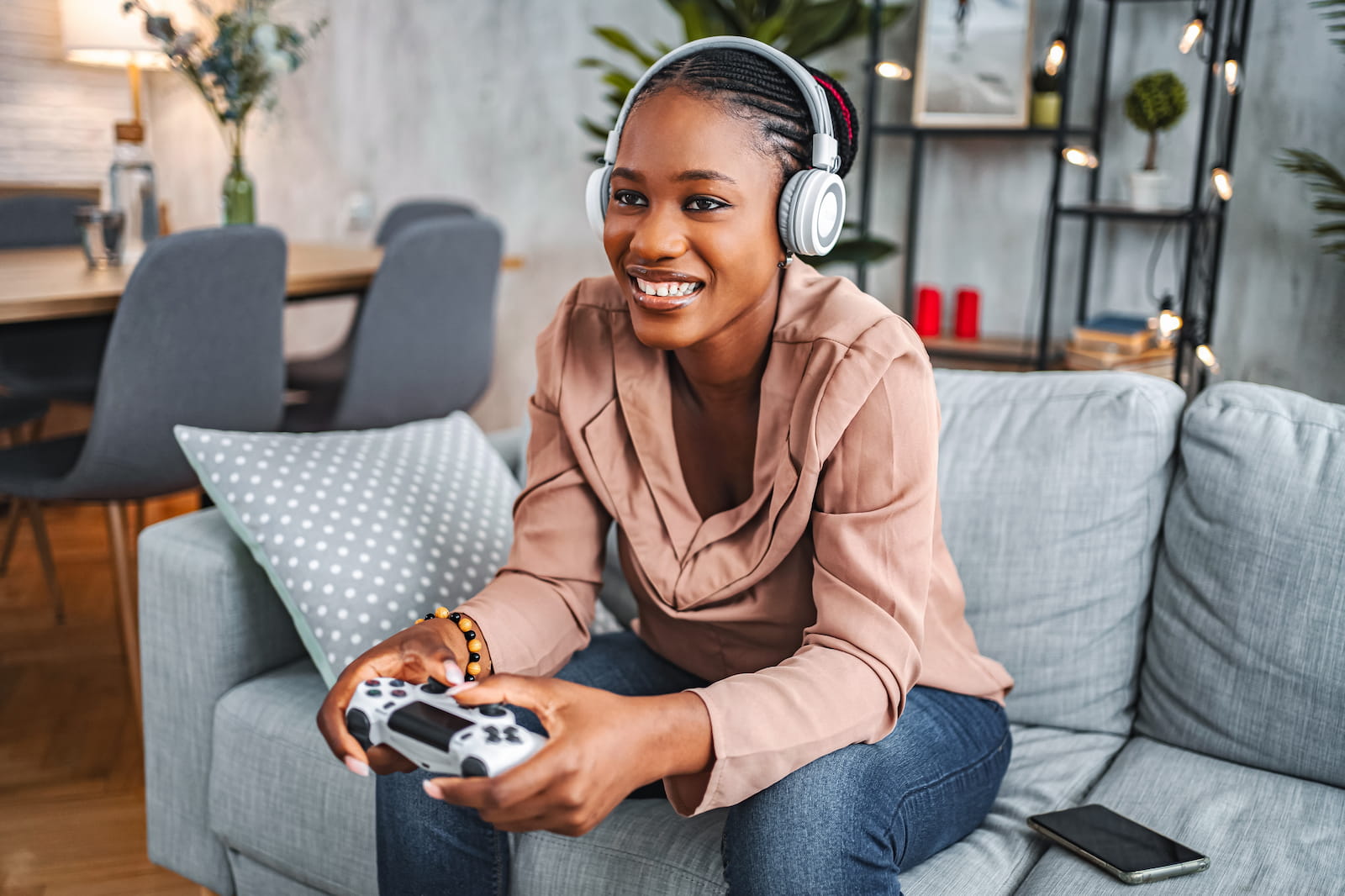
After a long day of work, caring for family, attending school, or managing everyday stress, picking up a controller can offer a chance to relax, laugh with friends, express creativity, and connect with a community of people who share similar interests.
Gaming is also becoming a space where more Black women are making their voices heard. They’re streaming on platforms like Twitch, competing in esports, creating gaming content, designing games, attending conventions like Dream Con, and building online communities where they can be themselves.
While gaming isn’t a cure for stress or mental health challenges, research continues to show that, when enjoyed in healthy ways, it can help people unwind, regulate emotions, strengthen friendships, and create a sense of belonging. For many Black women, those benefits can be especially meaningful in a world where they often carry unique social, professional, and cultural pressures.
Life can be demanding. Many Black women balance careers, family responsibilities, caregiving, school, community involvement, and countless daily obligations. On top of that, many also experience chronic stress related to racism, sexism, financial pressures, and expectations to always be “strong.” Finding healthy ways to recharge is important, and while some people turn to reading, exercising, gardening, or journaling, others find that gaming offers the reset they need.
Playing a favorite game for an hour after work can help shift attention away from daily worries and provide a mental break. Games often encourage players to focus on solving puzzles, completing missions, building worlds, or working with teammates. That focused attention can temporarily quiet racing thoughts and help people feel calmer.
Research suggests that enjoyable leisure activities, including gaming in moderation, may help reduce stress, improve mood, and increase feelings of relaxation when they are part of a healthy lifestyle. Gaming can also create moments of joy, accomplishment, and laughter that support emotional well-being.
Not every game is about competition. Many popular games encourage creativity and self-expression by allowing players to build homes, decorate entire neighborhoods, design clothing, create characters, write stories, and customize virtual worlds.
Games like The Sims, Animal Crossing, Minecraft, and many cozy simulation games allow players to express themselves in ways that feel relaxing rather than stressful.
For many Black women, character customization has become especially meaningful. Being able to create characters with darker skin tones, natural hairstyles, textured hair, braids, locs, and protective styles helps many players feel more represented than they did years ago. That uniqueness is far more limited when it comes to most Black video game characters.
While representation in gaming still has room to grow, developers have made noticeable progress in creating more inclusive customization options and more diverse characters. A Black protagonist that lets players insert themselves and the styles they like into the character, while also remaining a Black character for every single person that plays the game, would be a huge win for the Black girl gaming community and the new age of video games.
One of the biggest reasons many Black women continue gaming isn’t the games themselves. It’s the people. Gaming has become a place where friendships are built across cities, states, and even countries, with friends who first met online continuing to talk every day, celebrate birthdays together, support one another through difficult times, and even travel to meet in person.
These communities become especially valuable for people who may not know many gamers in their everyday lives. Whether they’re teaming up in multiplayer games, joining Discord communities, watching livestreams together, or attending conventions, many Black women say gaming gives them a sense of belonging.
Feeling connected to others is an important part of mental health. Positive social relationships can reduce feelings of loneliness and provide emotional support during stressful times.
RELATED: Why Dating a Gamer Is the Best Decision A Black Woman Could Make
For a long time, Black women were largely overlooked in gaming conversations, but that is changing. Today, Black women are thriving as streamers, esports competitors, game developers, writers, voice actors, content creators, cosplay artists, and community leaders.
Events like Dream Con have helped shine a spotlight on Black creators while celebrating the growing influence of Black women throughout the gaming industry. Dream Con regularly features women leading discussions about gaming, technology, content creation, storytelling, and representation, helping attendees see that there is space for them in every part of the industry.
Did you know? Hair Nah became an internationally recognized game that brought awareness to a common experience many Black women face.
Did you know? Margo Jordan is among the fewer than two percent of Black women founders to raise more than two million in venture capital.
Did you know? She also serves as a judge for the International Game Developers Association (IGDA) Scholars Program, helping support the next generation of game creators.

Dream Con has also highlighted the accomplishments of Black women who are changing gaming through leadership, innovation, streaming, and creative storytelling. Their visibility matters because seeing people who look like you succeed can inspire the next generation to pursue similar opportunities.
Did you know? Before becoming a leader in gaming advocacy, Keisha Howard trained as an opera singer.
Did you know? Her background in journalism and activism helps shape games that reflect a wider range of cultures and lived experiences.
Did you know? Ebonix’s fan-created mods were so influential that they helped inspire official diversity improvements in The Sims.
For young Black girls attending these events or watching online, these examples send an important message: You belong here, too. For many years, Black characters were either missing from games or limited to stereotypes, and Black women were even less visible. Thankfully, more developers are recognizing the importance of creating games that reflect the diversity of the people who play them.
Representation matters because it helps players feel seen. It also introduces people from different backgrounds to characters and stories they may not otherwise experience. Representation goes beyond appearance and includes many parts of storytelling, design, and development.
When more perspectives are included, games become richer and more meaningful for everyone.
In a study of one online game, women who used voice chat experienced three times more negative and derogatory comments than men did. Seventy-seven percent of women report dealing with unwanted behavior while gaming. While gaming offers many positive experiences, it also has challenges.
Unfortunately, some Black women experience racism, sexism, harassment, or offensive comments while playing online. Some choose not to use voice chat because they worry about how they’ll be treated after others hear their voice, while others avoid multiplayer games altogether because they don’t want to deal with disrespectful behavior.
Being both a woman and a gamer is a difficult intersection. More than half of “gamer girls” feel they must hide their gender using masculine-sounding usernames or voice-changing headsets. These experiences can detract from the enjoyment gaming is supposed to provide. Fortunately, many gaming communities are working to create safer spaces, and players can help in several practical ways.
Game developers have also added stronger reporting systems, moderation tools, and community guidelines, although many players believe more improvements are still needed. Everyone deserves to enjoy gaming without fear of harassment.
Like many hobbies, gaming is healthiest when it stays balanced. Gaming can be therapeutic when it helps someone relax after a stressful day, spend time with friends, enjoy creative activities, build positive relationships, and take healthy breaks.
However, gaming can become unhealthy if it begins replacing important parts of everyday life. Warning signs may include:
If gaming starts interfering with daily responsibilities or mental health, it may be helpful to set healthy boundaries or talk with a mental health professional. The goal isn’t to stop gaming altogether. The goal is balance.
RELATED: Could a 3-Minute Video Game Help Detect Depression?
Across the gaming world, more organizations are working to make gaming welcoming for everyone.
Dream Con has become one of the best-known examples by celebrating Black creativity across gaming, anime, cosplay, technology, and pop culture. Its panels regularly highlight Black women, independent creators, developers, and entrepreneurs who are helping shape the future of gaming.
Did you know? Sarah Bond’s love of gaming began at age six, when she played King’s Quest II with her father.
Did you know? Brittney Morris was featured in Shondaland’s Head Turners, a series highlighting women making an impact in their careers.
Did you know? Carter was named to Forbes 30 Under 30 in Gaming (2022) and has raised more than $20,000 for charitable organizations.
Beyond conventions, Black gaming communities continue to grow through:
These spaces allow Black gamers to connect with others who understand their experiences while celebrating shared interests.
For many Black women, gaming isn’t simply entertainment. It’s friendship, creativity, stress relief, laughter after a difficult day, competing with friends, creating beautiful characters, attending conventions where people share your passions, and finding a community where you feel understood. The stereotype that gaming is only for teenage boys no longer reflects today’s gaming world.
Women now make up nearly half of all gamers, and Black women continue to expand their influence across every part of the industry—from casual gaming to professional esports and game development.
As more Black women become streamers, developers, esports competitors, content creators, and industry leaders, they are helping reshape gaming for future generations. They are proving that gaming isn’t about escaping life—it’s about finding joy, building community, expressing creativity, and creating spaces where everyone has the opportunity to belong.


By subscribing, you consent to receive emails from BlackDoctor.com. You may unsubscribe at any time. Privacy Policy & Terms of Service.