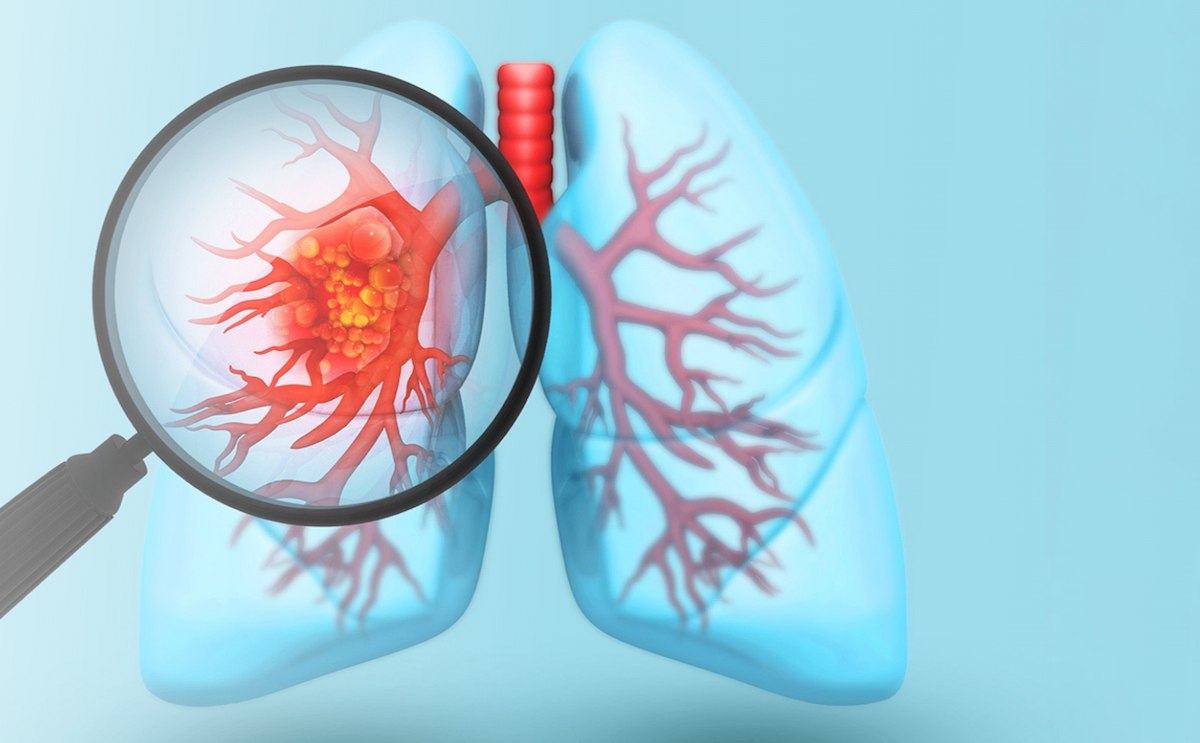
Cervical cancer is a slow-growing cancer that occurs in the cervix, the lower part of the uterus that connects to the vagina. This area, which has a donut-shaped structure, plays a crucial role in reproductive health. The primary cause of cervical cancer is the human papillomavirus (HPV), a common virus transmitted through sexual contact. While many people who contract HPV do not experience health consequences, certain high-risk strains of the virus can lead to cervical cancer over time if left undetected and untreated.
Cervical cancer disproportionately affects Black women, who tend to have worse outcomes and higher mortality rates than other racial groups. In fact, Black women are 41 percent more likely to develop cervical cancer than white women and are 75 percent more likely to die from it. What’s more, Black women are more likely to be diagnosed at a later stage, which contributes to low five-year survival for a type of cancer for which almost every case can be prevented.
According to the St. Jude HPV Cancer Prevention Program, Black women are more likely to die from the disease due to:
While it’s true that women in general could improve follow-ups and health literacy, a significant factor often overlooked is medical racism. Implicit bias within the healthcare system can lead to primary care providers (PCPs) deprioritizing or overlooking preventive screenings for Black women, contributing to delayed diagnoses and poorer health outcomes. Studies have shown that Black patients are less likely to receive timely screenings, adequate pain management, and even referrals for specialist care compared to their white counterparts. Addressing these systemic issues is just as crucial as encouraging individual health advocacy.
RELATED: 5 Warning Signs Of Cervical Cancer Every Black Woman Should Know
HPV is a sexually transmitted infection (STI) with over 100 different strains, some of which are classified as high-risk because they can cause abnormal cell changes in the cervix.
“If someone has one of those, a lot of times there are no symptoms. It can just continue to affect the cervix, leading to abnormal cells. Over time, if there’s no detection or awareness, it can continue to develop and eventually turn into cancer,” Joyce Idehen, MD tells BlackDoctor.org
Early detection is critical in preventing cervical cancer. A Pap smear is a test that collects cervical cells to check for abnormalities, while an HPV test detects the presence of HPV strains, including high-risk ones. Women over the age of 30 should receive both tests together every five years, while women aged 21–29 should receive Pap smears alone every three years. If abnormalities are detected, further testing or treatment can prevent cancer from developing.
“Patients can ask their doctor during their annual visit when they’re due for their next pap smear. Even if it can’t be done the same day, providers can schedule it,” Dr. Idehen adds.
If you’re unsure of when you had your last Pap smear, request access to your previous medical records and bring them to your next appointment.
RELATED: 10 People You Need on Your Cervical Cancer Care Dream Team
There are many misconceptions surrounding HPV and cervical cancer, including:
Some factors that increase the risk of developing cervical cancer include:
The most effective ways to prevent cervical cancer include:
Discussing HPV and cervical cancer with partners, family, and friends helps normalize the conversation and promotes prevention. Men should also be involved in the discussion, as they can carry and spread HPV. Encouraging male partners to get vaccinated and tested can help reduce the risk for both partners.
“Open conversations with partners about vaccination and testing are key. Men also play a role—not just as partners but in encouraging their sisters, mothers, and others to take these steps. Awareness shouldn’t just fall on women,” Dr. Idehen advises.
For those who lack health insurance, affordable and free resources are available:
RELATED: 10 Questions you Should Ask Your Doctor About Cervical Cancer
Cervical cancer is preventable with regular Pap smears, HPV vaccination, and safe sexual practices. It’s important for both men and women to be proactive about their sexual health, have open discussions, and advocate for early detection. Spreading awareness and ensuring equitable access to preventive care can help save lives.
“For women, take ownership of your preventive care—get your routine Pap smears and, if not vaccinated as a child, get vaccinated now. For men, get vaccinated and take responsibility for your sexual health. Prevention is key, and it’s never too late to make these health changes,” Dr. Idehen concludes.
If you haven’t had your Pap smear or HPV vaccine, schedule an appointment today—it could make all the difference.


By subscribing, you consent to receive emails from BlackDoctor.com. You may unsubscribe at any time. Privacy Policy & Terms of Service.