As everyone continues to deal with COVID-19 on a global scale, one complication that took people by surprise was the emergence of a post-COVID-19 condition or long COVID. There are a few symptoms that many people have in common but doctors and researchers are still learning how things can differ from one group of people to the other. Recently, one specific symptom has been found to affect Blacks more significantly than other ethnicities.
Long COVID is a term that’s used to describe symptoms or illnesses that occur within three months of recovering from COVID-19. In some cases, the issues persist for a few months but some people deal with long COVID symptoms for over a year.
A few of the typical symptoms are shortness of breath, fatigue, and cognitive problems. Having COVID can also lead to chronic health issues such as kidney disease, type 2 diabetes, and problems with your heart.
While researchers have found that people with certain conditions such as diabetes, high blood pressure, and obesity are more likely to have long COVID symptoms, it doesn’t apply to everyone.
Even those who only had a mild bout with COVID-19 and had no pre-existing illnesses have developed long-term issues. There are also some signs that age and ethnicity can influence what happens after the initial illness.
RELATED: COVID Long Haulers: Long Term Health Issues Caused by COVID
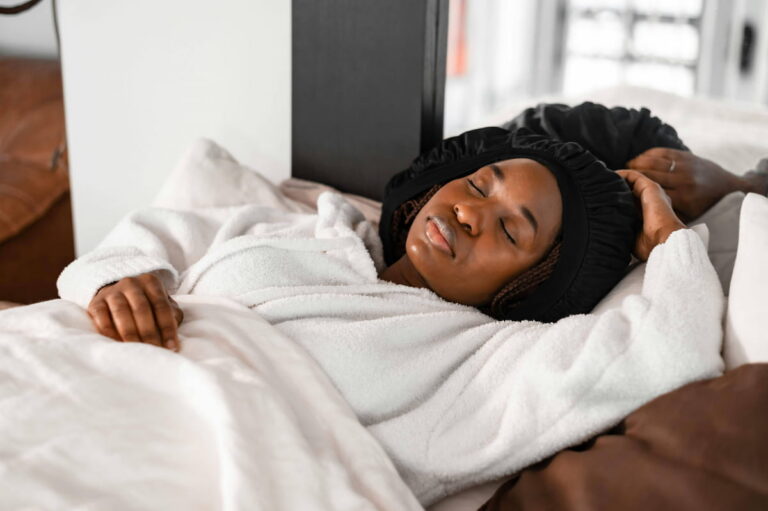
According to studies conducted in June, approximately two-thirds of those with long COVID complain about being unable to sleep. What’s worse is that the problem affected Blacks three times more than other ethnicities.
This insomnia was described as being moderate to severe and was found in people who didn’t complain about poor sleep before.
Though there’s still a lot of research to be done, health professionals are working on determining why that is.
One possibility is that the sleep disruption can be linked to existing issues that are more likely to plague Black people than others. For example, statistics show that Blacks are more prone to illnesses such as diabetes, heart disease, and obesity. These, in turn, may affect their risk of having sleep issues.
Another possibility that’s being explored is the correlation between anxiety and insomnia. It’s known in health circles that Black people battle anxiety more than other ethnicities for varying reasons, including societal and environmental stressors. It’s possible that the combination of all these issues has led to higher incidents of disrupted sleep.
RELATED: Long COVID: How Concerned Should you be?
Now that you know that you might be faced with moderate to severe insomnia because of your bout with COVID-19, you might be wondering what to do about it.
The short answer is to talk to your doctor. Interestingly, the same studies that identified the higher risk of sleep disruption in Black people also found that the same people were less likely to bring their symptoms to a doctor’s attention. Those that do may even downplay the severity of their insomnia because they don’t want to complain.
When treating insomnia after COVID-19, your doctor will assess you for any underlying conditions while working to alleviate the sleep disorder. Since people with chronic illnesses such as heart disease can have trouble sleeping, that would need to be managed.
Your doctor may also recommend cognitive behavior therapy, which can be helpful for identifying stressors and giving you the skills to manage them. The aim is to ensure that you can manage the stress or anxiety that might be making your insomnia worse. Over-the-counter drugs like melatonin can also give you that extra boost to get a good night’s rest.
Many people who have had COVID-19 have gone on to develop long-term symptoms. While more research needs to be done, there’s some evidence that Black people might be more prone to certain symptoms than other ethnicities.
If you’ve been experiencing any changes in health since having COVID-19, it’s essential to consult with your doctor as soon as possible.


By subscribing, you consent to receive emails from BlackDoctor.com. You may unsubscribe at any time. Privacy Policy & Terms of Service.