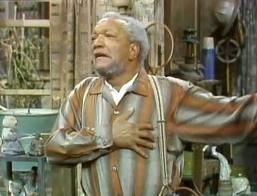
Life truly imitated art when Redd Fox collapsed of heart failure in 1991 on set. Best known for his quick wit and raspy voice, the tragedy was marred with irony since he coined his signature move of clenching his chest as if he was having a heart attack for dramatic, comedic effect while starring in the classic sitcom Sanford & Son.
Born John Elroy Sanford, the bow-legged foul-mouthed comedic genius rotated in circles with Richard Pryor and Eddie Murphy, holding own in blockbuster movies and sold-out tours.
He’d even inked a deal on a new show during the time of his sudden death. His career was still thriving. But unfortunately, his body couldn’t keep up. His story echoes that of countless others in the Black community as they are the leading group to be diagnosed with heart disease. According to the Center for Disease Control (CDC), although Black people are 40 percent more likely to have high blood pressure, they are less likely than their white counterparts to have their blood pressure under control.
In 2017, it was reported that Black people were 20 percent more likely to die from heart disease than white people. According to the US Department of Health and Human Services Office of Minority Health, Black women are 60 percent more likely to have high blood pressure, as compared to non-Hispanic white women which can lead to cardiac arrest.
What is a heart attack?
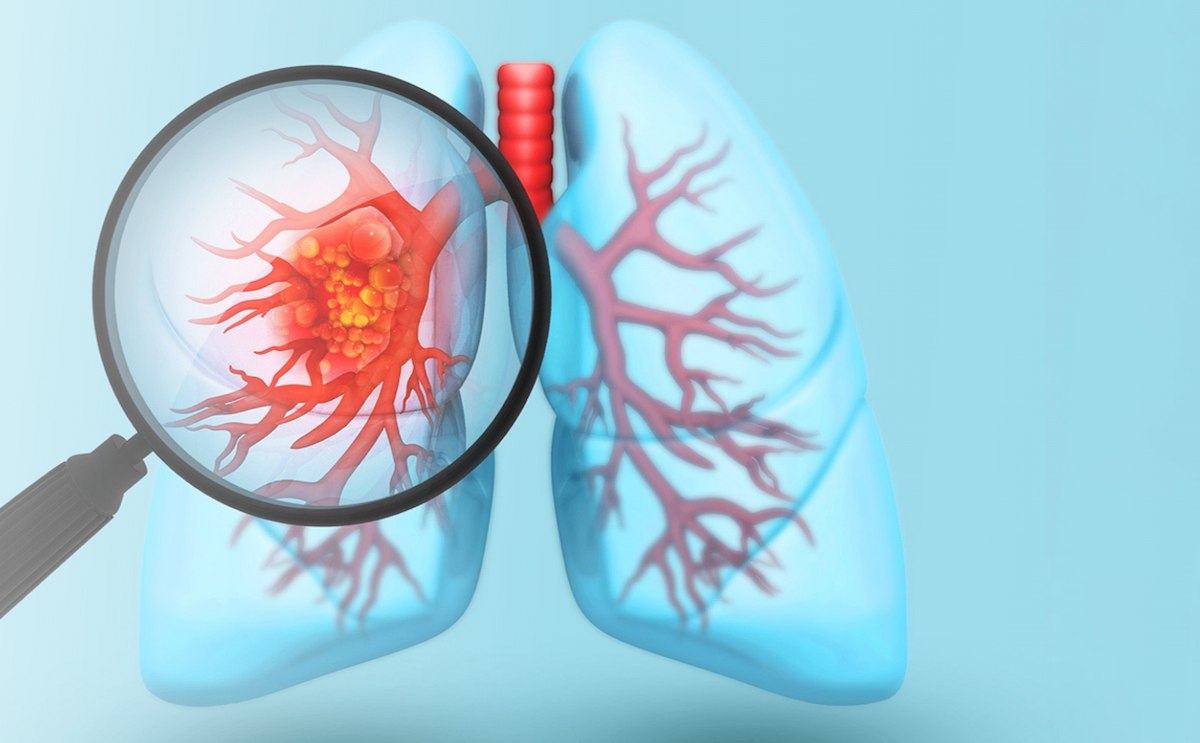
According to the American Heart Association, a heart attack occurs when a blocked artery prevents oxygen-rich blood from reaching a section of the heart. If the blocked artery is not reopened quickly, the part of the heart normally nourished by that artery begins to die. The longer a person goes without treatment, the greater the damage.
Symptoms of a heart attack may be immediate and intense. More often, though, symptoms start slowly and persist for hours, days or weeks before a heart attack. Unlike with sudden cardiac arrest, the heart usually does not stop beating during a heart attack. The heart attack symptoms in women can be different than in men.
What are some symptoms to look out for?
Most people who’ve had heart attacks report symptoms like:
Despite what we might have thought, not all people who have heart attacks have the same symptoms or have the same severity of symptoms.
Some people might experience mild pain while others have debilitating physical signs. Scarily enough, some people have no symptoms at all.
Some heart attacks take people by surprise, but many have warning signs and symptoms hours, days or weeks in advance.
The earliest warning might be consistent chest pain or pressure that’s triggered by highly intense activity and relieved by rest.

What are the risk factors?
According to the American Heart Association patients heart attacks can be linked to the following factors:
Preventing a heart attack.
At this point, we all know that the best way to prevent most medical diseases is through healthy lifestyle choices.
Maintaining a healthy weight mostly a clean diet, avoiding smoking, exercising at least 2-3 regularly times weekly, and managing can cut risk for heart strain.
BDO’s Black History of Health series is designed to show the correlation between the health of historical black figures and Black Americans today. Many of the health disparities we currently experience have been in our community for centuries. This series is meant to bring these conditions to the forefront and provide blacks with preventative and management steps to reduce these disparities and improve the overall health of the Black American community. It’s time to change the narrative.


By subscribing, you consent to receive emails from BlackDoctor.com. You may unsubscribe at any time. Privacy Policy & Terms of Service.