Born in Compton, California, Anthony Anderson got his start as a comedian. Though his first venture into stand-up comedy was regarded as a failure, he was encouraged to keep trying. Fortunately, he did and went on to establish himself as a standout comedian. It then made sense that his first acting roles were in comedic roles in movies such as ‘Kangaroo Jack’, ‘My Baby’s Daddy’, and ‘Life’. This has continued with his most recent stint in the ‘Black-ish’ series.
However, that didn’t mean he shied away from more dramatic roles. Anderson is also known for his time on ‘Law and Order’ and ‘The Shield’ as well as ‘The Departed’. Apart from acting, he has been involved in reality TV shows and has some directorial experience. Since he’s always been such a busy person, Anderson initially chalked up the fatigue he was dealing with to his hectic schedule. Eventually, he was diagnosed with type 2 diabetes and has been managing it for the past 20 years. In a recent interview with Essence magazine, he noted that recognizing his father’s symptoms in himself is what prompted him to see a doctor. Today Anderson is able to keep his diabetes under control through healthy eating and keeping his weight down. In fact, he was able to lose a ton of weight by boxing.
RELATED: Anthony Anderson: “I Started Off As The Fat Funny Guy”
Type 2 diabetes is a chronic condition in which your body has issues with its insulin management. Insulin is important because it regulates how the body uses sugar.
When you consume sugar, your pancreas releases insulin so the cells in your body can use it efficiently. In type 2 diabetes, this process is disrupted in two ways – the pancreas doesn’t make enough insulin and your cells don’t respond well to the presence of insulin in the blood.
If you’re dealing with diabetes, there are a few tell-tale symptoms you may experience. These include blurred vision, unexplained weight loss, numbness in the extremities, increased thirst, and frequent urination.
You may also see dark patches of skin in the armpits and on the neck. It should also be noted that Blacks, people who are overweight, those with polycystic ovary syndrome (PCOS), and people with a family history of type 2 diabetes are at a higher risk for developing the disease.
The glycated hemoglobin (A1C) test is usually used to determine if you have type 2 diabetes. A reading below 5.7% is considered to be normal while anything from 5.7% to 6.4% will be marked as prediabetes. If you get a reading above 6.4%, then you’ll be diagnosed with diabetes.
In the absence of the A1C test, your doctor may also opt for a random blood sugar test, fasting blood sugar test, or oral glucose tolerance test. However, each of these tests has varying levels of accuracy.
Once you have been diagnosed, your doctor will carry out further tests to determine if you have type 1 or type 2 diabetes. This differentiation will be important as that’s how the doctor will know which treatment to recommend.
RELATED: Anthony Anderson: “I’m Vegan-ish”

It’s typical for doctors to prescribe a combination of weight loss, healthy eating, and medication to manage type 2 diabetes. With their weight under control, some people have even gone on to reverse their diagnosis entirely.
Before you get to that stage, though, your doctor will need to determine which medications would be right for you. These can include biguanides, meglitinides, sulfonylureas, and DPP-4 inhibitors. Learning to self-administer insulin while monitoring your blood sugar levels will also be important.
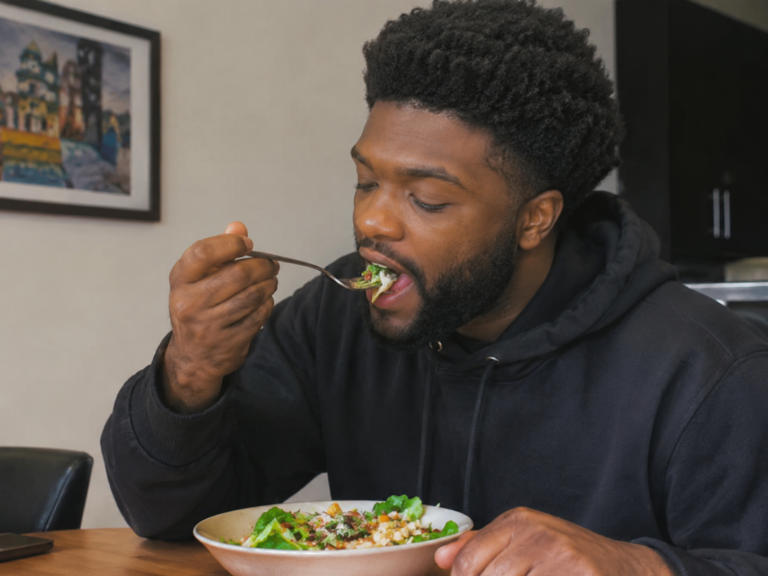
As you’re working on being healthy, it’s best to have more high-fiber foods, such as fruits, nonstarchy vegetables, and whole grains in your diet.
A regular exercise routine will also help you maintain a healthy weight.
While dealing with your diabetes, the doctor will also monitor you for potential complications from the disease. Those who have type 2 diabetes can also develop heart disease, nerve damage, vision problems, and kidney disease.
Blacks are at a higher risk of developing type 2 diabetes than other ethnicities. That’s why it’s so important for you to recognize the symptoms and check with your doctor if you have any concerns. Eating well and exercising regularly will also help to prevent the disease for those who may be at risk.


By subscribing, you consent to receive emails from BlackDoctor.com. You may unsubscribe at any time. Privacy Policy & Terms of Service.