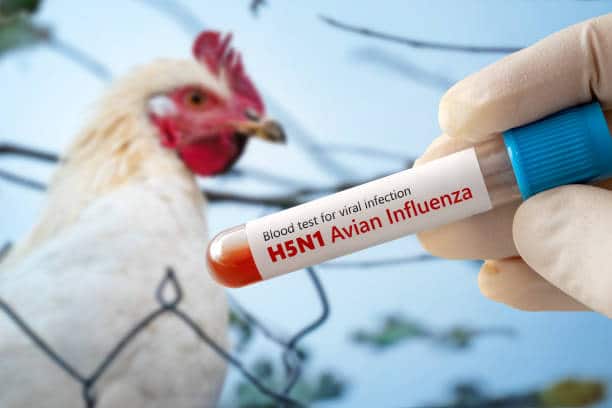
Concerns about H5N1 bird flu are growing among health officials following the first U.S. death from the virus, reported in Louisiana. The Centers for Disease Control and Prevention (CDC) expressed sadness over the news but stated that such an outcome is not unexpected, given the virus’s potential to cause severe illness and death.
Since 2024, 66 confirmed human cases of H5N1 have been reported in the U.S., with 67 cases since 2022. Globally, more than 950 cases have been reported to the World Health Organization (WHO), with about half resulting in death.
Despite this, the CDC maintains that the risk to the general public remains low. There is no evidence of human-to-human transmission, and no virologic changes have been detected that would suggest increased risk to human health. However, individuals with job-related or recreational exposure to infected birds or animals are at higher risk. The CDC continues to work with state and local partners to monitor the virus, track potential mutations, and provide prevention resources.
As infections continue to rise in both animals and humans, here’s what you need to know about bird flu, its risks, and how to protect yourself.
Bird flu, or avian influenza (H5N1), is a virus primarily carried by migratory and aquatic birds like ducks and geese. The virus has been circulating since the 1990s after being first detected in Southeast Asia.
Since 2022, over 200 mammal species have been infected with H5N1, including domestic cats and aquatic mammals, according to the CDC.
Most mammals, including humans, contract bird flu through:
Human-to-human transmission has not been reported, but health officials remain cautious about the virus’s potential to mutate.
While the general public’s risk remains low, those in high-risk occupations—such as farm workers, poultry handlers, and dairy workers—face the highest risk of exposure.
The most common symptom in humans is conjunctivitis (pink eye). Other flu-like symptoms may include:
Since 2024, 66 cases of bird flu have been confirmed in the U.S., with most infections occurring among dairy farm workers. The recent first U.S. death in Louisiana reinforces concerns about the virus’s ability to cause severe illness.
RELATED: Eggflation Is Real — Here’s What’s Causing It and How to Save Money
Currently, no vaccine is available for the H5N1 strain. However, the U.S. Department of Health and Human Services has allocated $590 million to Moderna to accelerate the development of an mRNA vaccine.
Although songbirds have a lower risk of spreading bird flu, bird feeders and birdbaths may attract wild birds that carry the virus. The CDC recommends observing birds from a distance and avoiding direct contact with wild bird droppings.
The CDC and state health officials are actively:
While the risk to the general public remains low, farmworkers and poultry handlers should take extra precautions to reduce exposure. Avoid direct contact with infected animals, practice good hygiene, and stay informed about new safety measures and vaccine developments. The CDC continues to monitor the situation closely, ensuring public health remains a priority.
Stay safe, stay informed, and protect yourself from bird flu.
Additional information about H5 bird flu is available on the CDC website.


By subscribing, you consent to receive emails from BlackDoctor.com. You may unsubscribe at any time. Privacy Policy & Terms of Service.