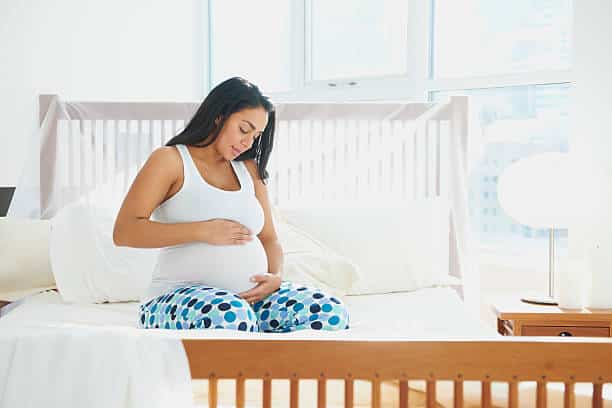
Being pregnant is a joyous occasion that usually involves a lot of planning and preparation (name picking, preparing the baby’s room, etc.)
But under the surface, many women are also preparing for any complications that may arise during their pregnancy. Stillbirths, in particular, are very common and have even affected celebrities such as Chrissy Teigen. According to the CDC, Black women are two times more likely than Hispanic and white women to have stillbirths. The reason for such a health disparity is unclear, but new research points to one key factor that may be driving such a devasting loss for pregnant women.
COVID-19 is surging in U.S. states with low vaccination rates, and these places may also be seeing a higher-than-usual number of stillbirths linked to the virus.
While the number of stillbirths is still very low nationally, doctors in the Deep South have noticed increases in stillbirths, NBC News reports.
One of those states is Alabama. But the numbers are too low overall to draw definitive conclusions on whether the COVID cases led to a rise in stillbirths, Dr. Akila Subramaniam, an associate professor at the University of Alabama Birmingham’s Division of Maternal-Fetal Medicine says.
READ: Top Signs of Preterm Labor and Coping With Preterm Birth
“Everything that we’re seeing with stillbirths is truly anecdotal. We don’t have the numbers to confirm what we perceive that we’re seeing,” Subramaniam tells NBC News.
What is known is that in Mississippi, which already had the highest infant mortality rate in the United States, the state health department identified 72 stillbirths in women who have had COVID-19 during the pandemic.
That was twice the number of stillbirths the state would typically see in that time period, Dr. Thomas Dobbs, the state’s health officer, during a news conference notes.
“That’s quite a number of tragedies that sadly would be preventable,” Dobbs says.
About 39% of people in Mississippi are vaccinated, among the lowest vaccination rates in the nation. Most of the women in the stillbirth cases had
not been vaccinated, Dobbs adds.
Subramaniam said the usual stillbirth rate is typically 2% at her facility, which treats high-risk pregnancies, but the COVID-associated rate has ranged from 3% to 6% during the pandemic.
The national rate is 1%. The U.S. Centers for Disease Control and Prevention reports the loss of 266 pregnancies to stillbirth since the pandemic began.
With the highly contagious Delta variant striking many younger adults, pregnant individuals are among the casualties. The CDC reports more than 118,260 cases of COVID-19 in expectant women during the pandemic. And intensive care doctors have seen an increase in severe cases among unvaccinated pregnant women in recent weeks, NBC News reports.
RELATED: Why Is The Black Infant Mortality Rate So High?
“Since we’re seeing more pregnant people getting ill, it’s not surprising to me that, unfortunately, we are seeing a higher rate of fetal losses and stillbirth,” Dr. Brenna Hughes, chief of Duke University Medical Center’s Division of Maternal Fetal Medicine in Durham, N.C says.
The potential connection between COVID and stillbirths might be the virus’ impact on oxygen supply, she suggests.
“If you can’t get enough oxygen delivered to the baby, then that increases the risk of bad things happening to babies,” Hughes tells NBC News.
A pregnant woman’s blood pressure may also drop during COVID, making it impossible to get enough blood flow to the baby, according to Hughes. Inflammation that can be caused by severe COVID cases causes the body to produce
nitric oxide, which can lead to dangerously low blood pressure.
The CDC, American College of Obstetricians and Gynecologists and the Society for Maternal-Fetal Medicine all recommend pregnant women get their COVID vaccines, which have been shown to be safe in women and babies.
“The vaccine could actually save your baby,” Hughes says.
Aside from getting vaccinated, there are a couple of things you can do to reduce the risk of stillbirth:
If you notice any abnormal symptoms such as reduced movement from your baby, vaginal bleeding or discharge, itchy hands and feet and severe headache or swelling; you should contact your doctor immediately.
Although more needs to be done to bridge the health disparities among Black expectant mothers to ensure they get quality care, you can find comfort in knowing that you can take charge of your health. With the tips listed above, hopefully, you will have a safe and healthy pregnancy!


By subscribing, you consent to receive emails from BlackDoctor.com. You may unsubscribe at any time. Privacy Policy & Terms of Service.