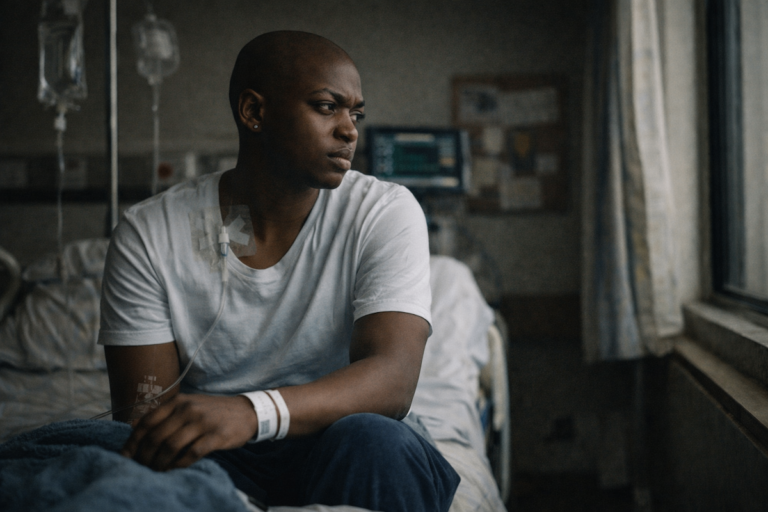
Black women have historically accounted for the least amount of data in many genetic and medical studies. Though the tide has turned today with the knowledge that Black women with certain gene mutations have a higher risk of certain breast cancers, those women are not the only women of our race affected by the unequal distribution of cancer risks.
All, not just some, of Black women are at increased risk of breast cancer due to environmental and social factors, and for many other reasons that are beyond our control.
Many Black people are victims of environmental racism, which increases our cancer risk and complications of other illnesses. Air and water pollution caused by businesses such as those in the 85-mile-long petrochemical factory corridor nicknamed “Cancer Alley” not only contaminate the land but also the numerous poor Black communities within the Louisiana parishes.
Anniston, Alabama, is known as one of the most polluted cities in the United States due to Polychlorinated biphenyls (PCBs) exposure to its residents after nearly four decades of illegal toxic waste dumping from factories. Cancers and attention deficit disorders have run rampant in the 52 percent Black municipality for years, with a child as young as ten years old suffering from uterine cancer.
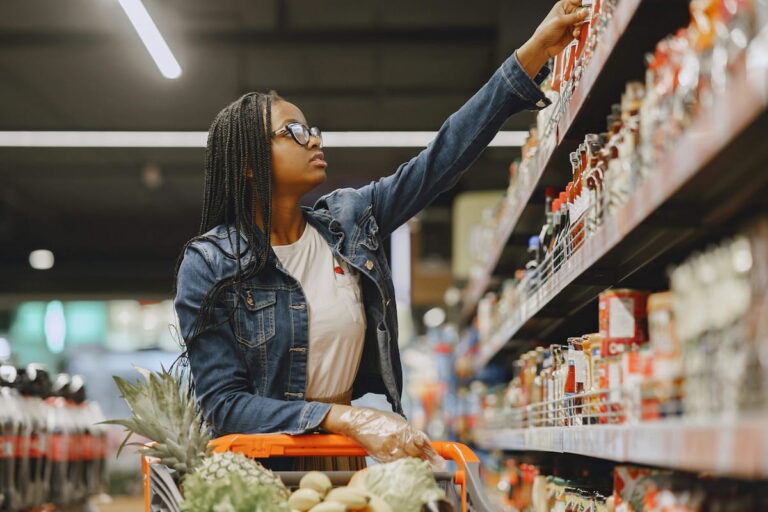
Poorer, Black communities also tend to be food deserts, where grocery stores are scant and convenience and fast food stores run rampant. This increases access to sugary, high-calorie, low-quality foods, which contribute to cancer and other diseases.
On the other hand, more white people can afford to live in less polluted areas with plenty of healthy food choices, including organic and other specialized grocery stores. Interestingly, designation as a non-food desert correlates with higher land values and desirability, which feeds on itself. In a nutshell, high-value land attracts high-value food options, which further increases value. Unfortunately, in the poor and Black food deserts, the same sentiment is true, widening the gap between healthy and unhealthy living.
RELATED: 9 Things Black Breasties Should Know About Genetic Testing
Not to mention the food. You know, that good, home-cooked, soul food. Made with love and recipes passed down through generations dating back to slavery. Who among us doesn’t love a good fried fish platter with a side of sweet tea? Well, eating these traditionally salty, fatty, and excessively sweetened foods regularly contributes to a myriad of health complications like high blood pressure and diabetes, and increases the risk of breast cancer.

Medical evidence proves that Black women not only have a higher incidence of breast cancer, it is also more aggressive and occurs at a younger age than in white women. Further, while cancer mortality in white women has declined over the years, in Black women it has continued to rise. Black women are also more likely to be diagnosed with breast cancer in their mid-forties or earlier. Black women with breast cancer are also nearly half as likely to die from it as white women.
Black women are also negatively affected by the staging of breast cancer once diagnosed. Triple-negative breast cancers tend to be detected between annual mammogram testing, rather than screening. Why does that matter? Because Black women have an increased risk of developing triple-negative breast cancer than other races. Coupled with irregular mammogram testing, the prognosis of breast cancer for Black women is bleak before it even begins.
RELATED: Missing the Mark: How Breast Cancer Guidelines Fail Black Women
So, take:
Breathing poisoned air and drinking poisoned water every day.
Walking to the nearest convenience store for groceries because the nearest major grocer with fresh fruits and vegetables is miles away.
Decades of meals with heavy sodium, fat and copious amounts of sugar.
Little to no health insurance. And no time to visit the doctor because you have to work, and who will take care of the kids?
Stress. Years of stress.
More stress.
Black women are born at the bottom of the deck. So why does it only make sense to test some of us for a cancer-causing gene mutation when all of us are at risk?


By subscribing, you consent to receive emails from BlackDoctor.com. You may unsubscribe at any time. Privacy Policy & Terms of Service.