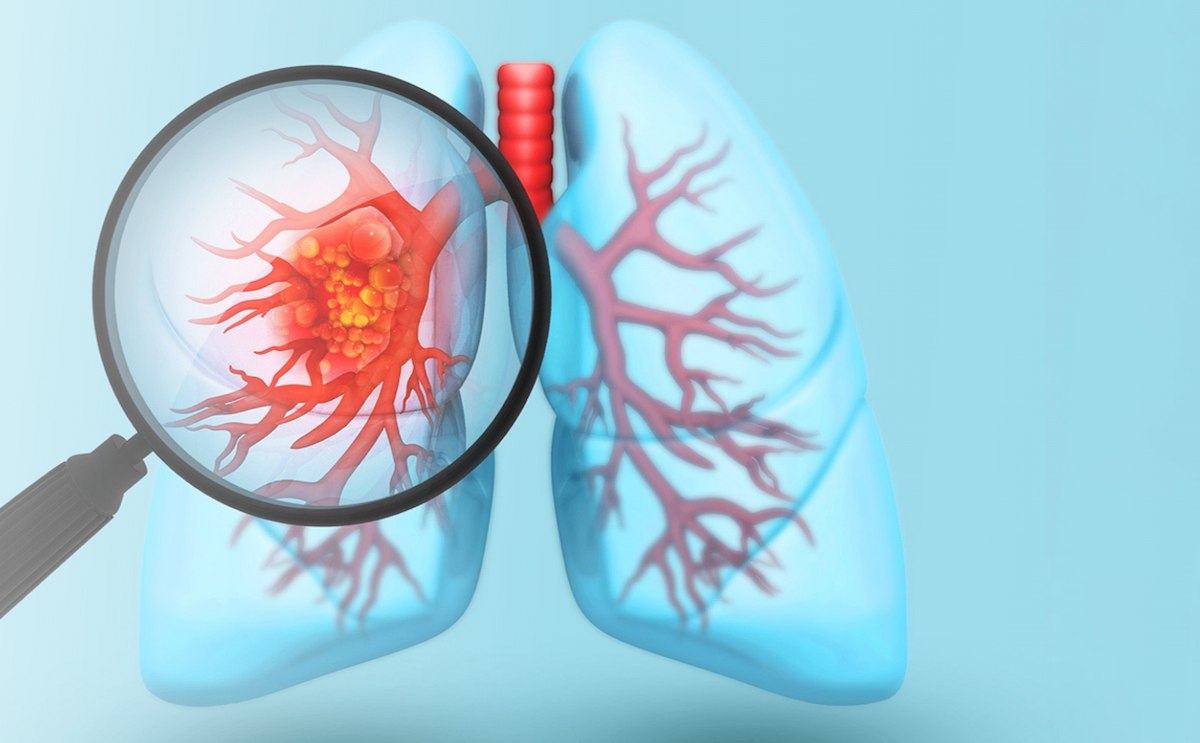
Women who are using birth control have something else serious to worry about besides possibly giving birth: cancer. Birth control can increase a woman’s risk of breast cancer by up to 38%, depending on how long she has taken it, a new study finds.
The risk was associated with all forms of hormonal contraception — such as the pill, injections or IUDs — when compared with women who have never used them.
Many women have believed that newer hormonal contraceptives are much safer than those taken by their mothers or grandmothers, which had higher doses of estrogen, but this study proves otherwise.
Researchers from the University of Copenhagen analyzed data from those nearly two million women (1.8 million to be exact) under the age of 50 and followed the women for nearly 11 years, on average.
The level of breast cancer risk increased the longer a woman had been taking hormonal contraceptives, with the average risk increase being 20% among all current and recent users of these forms of contraceptives.
The researchers saw a 9% increased breast cancer risk among women taking hormonal contraceptives for under a year, rising to 38% if more than 10 years.
Among women who had been using hormonal contraceptives for more than five years, a slight risk persisted for at least five years after they stopped, according to the study published Wednesday in the New England Journal of Medicine.
The results suggested a “rapid disappearance of excess risk of breast cancer after discontinuation of use among women who have used hormonal contraceptives for short periods,” the authors write in the paper. The authors noted that other studies have found no evidence of a persistent risk.
“These results do not suggest that any particular preparation is free of risk,” David Hunter, professor of epidemiology and medicine at the Nuffield Department of Population Health in the UK said to CNN.
However, Hunter also stresses that “breast cancer remains a relatively rare disease in younger women.” In women under 35 included in the study, taking hormonal contraceptives for less than one year resulted in 1 extra case per 50,000 women, he said.
“The number of cases increases with age because the risk of breast cancer increased with age,” said Hunter.
“The risk does decline over time since ceasing their use,” said Hunter, highlighting that once women reach the age when breast cancer rates peak — ages 50 to 70 — they are not very influenced by whether they took the hormonal contraceptives.
Nearly 10 million American women use oral contraceptives, including about 1.5 million who rely on them for reasons other than birth control. The number of women in the United States with intrauterine devices, many of which release hormones, has grown in recent years, as has the number of women using other types of hormonal contraceptive implants.
Experts noted that oral contraceptives have some benefits as well, and are associated with reductions in ovarian, endometrial and possibly colorectal cancers later in life.


By subscribing, you consent to receive emails from BlackDoctor.com. You may unsubscribe at any time. Privacy Policy & Terms of Service.