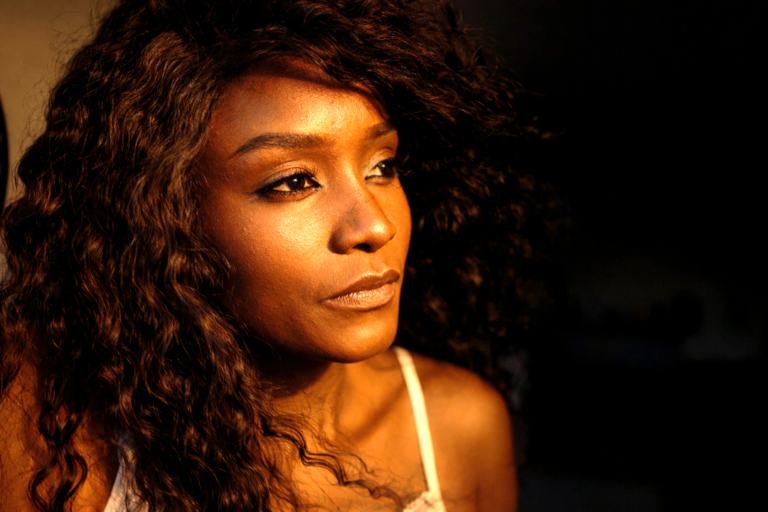
Most folks groan when the time comes to either “spring forward” or “fall back” an hour, with the waxing and waning of daylight saving time. But that one-hour time shift — which occurs at 2 a.m. Sunday — is more than just a minor annoyance, sleep experts say. As clocks are turned back an hour this weekend and it gets dark earlier, many people will begin grappling with seasonal affective disorder (SAD).
The disorder — also known as winter or seasonal depression — affects up to 5% of Americans, but rates are much higher in Northern U.S. states (10%) than in Southern states (1%).
RELATED: Feeling SAD? 5 Ways to Combat Seasonal Depression
“It helps to remember that these shortened, colder days are only temporary,” Dr. Itai Danovitch, professor and chairman of psychiatry and behavioral neurosciences at Cedars-Sinai Medical Center in Los Angeles says. “Those who suffer from seasonal depression should take an active role in managing their symptoms, but can also look forward to longer days as the seasons turn.”
Research has also shown that deliberately messing with our internal clock twice a year increases our risk of accident, illness and death.
You might think that switching back and forth from daylight saving time would be no different than the jet lag you experience flying across the country, but Erin Flynn-Evans, director of the NASA Ames Research Center Fatigue Countermeasures Laboratory, in Mountain View, Calif says that’s just not so.
“With real jet lag, you travel across time zones, which means your exposure to sunlight matches better the time zone you’re in,” she says. “When we just change our clocks but stay in the same time zone, it’s harder for our bodies to adapt because the sun doesn’t change. We’re just changing our clocks.”
Symptoms of SAD can include:
Setting Your Clocks Back: How it Affects Your Health
Getting a professional diagnosis is an important first step in easing SAD with treatments such as
light therapy, vitamin supplements, exercise, sleep and counseling.
Light therapy has been shown to be one of the most effective treatments for SAD, according to Danovitch. The general recommendation is to sit or stand in front of a light box with at least 10,000 lumens for 30 to 45 minutes a day, upon awakening.
But it’s important to consult with your health care provider to determine what’s best for you.
“If a clinician recommends light therapy, they will give you guidance on how to use it safely,” including how to use the light box without damaging your eyes or skin, Danovitch says in a center news release.
Vitamin D and B12 supplements are often marketed as a remedy for SAD, though there isn’t strong evidence that they’re effective. But many Americans are deficient in vitamin D and other vitamins like B12, so working with a health care provider to identify and fill any nutritional gaps may help balance mood and fight symptoms of seasonal depression.
RELATED: Mood Taking a Hit Every Winter? There May Be a Reason for That
“If you suffer from seasonal depression or have other mental health concerns, it’s especially important to review your nutrition and make sure you are getting the vitamins and nutrients you need,” Danovitch adds.
Regular exercise is another way to combat SAD.
“There is good-quality evidence to suggest that exercise has positive mood-altering benefits, and there may be added benefit to spending time in nature,” Danovitch shares. “I encourage going outdoors, when possible, and getting physical exertion three to four times a week for 30 or 45 minutes. That being said, not everyone has easy access to nature, and exercise is valuable no matter where you do it.”
The clock falling back an hour can be terrible on our sleep schedules, but following a sleep schedule may also provide relief. Danovitch recommends setting an alarm, waking up promptly when it goes off, then following with light therapy.
When combined with proper diet, exercise and sleep, talk therapy has also been shown to be effective for SAD, according to Danovitch.
The good news, however, is that this weekend’s impending clock change is the one that’s better for people’s health, according to experts.
“The fall time change is a good time for people to reset their clocks and maybe get a little more sleep,” Flynn-Evans says. “For most adults, this time change is a pretty good one, because we do get that extra hour of sleep.”


By subscribing, you consent to receive emails from BlackDoctor.com. You may unsubscribe at any time. Privacy Policy & Terms of Service.