You might think about cholesterol when you consider your cardiovascular health.
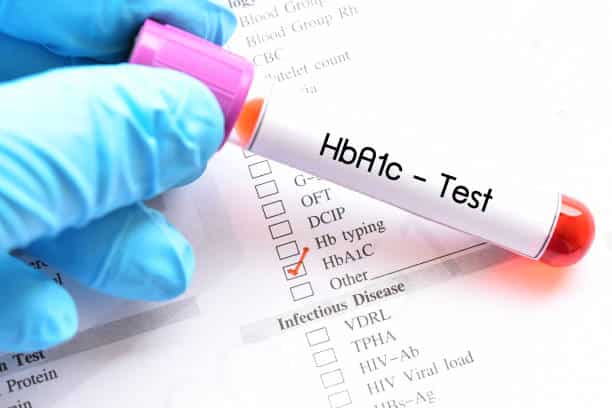
It’s also important to consider your A1C levels.
Sugar is just as bad for your heart as cholesterol — if not worse, says Dr. Daniel Lodge, a thoracic surgeon at Penn State Health Specialty Services in Reading, Pa.
“Diabetes is a much bigger risk factor,” he said in a health system news release.
While about 11 percent of Americans have diabetes, roughly 30 percent of those with heart disease do.
RELATED: Diabetes And Heart Disease: 4 Numbers You Should Know
Lodge explains a little about what exactly A1C measurements are and what that can mean for the heart.
“Sugar binds to red blood cells and hemoglobin A1C is the amount of sugar bonded to the red blood cells. It measures average blood sugar over the past three months,” Lodge says.
Over time, high blood sugar causes blood vessels to harden and become blocked, he adds.
Diabetes is a major risk factor for heart attack, stroke and heart failure. Heart and vascular disease is a common cause of death among people with diabetes.
According to the Centers for Disease and Control, over time, high blood sugar can damage blood vessels and the nerves that control your heart. People with diabetes are also more likely to have other conditions that raise the risk for heart disease:
It’s hard to know if your A1C levels are too high or low because there aren’t symptoms. Testing is critical, Lodge shares.
“Every adult over 45 — or under 45 with risk factors — should be checked every three years, even with previous normal results,” Lodge advises. “Risk factors include being overweight, physically active less than three times a week, prediabetes, gestational diabetes, or you have a parent, brother or sister with type 2 diabetes.”
It can be assessed as part of routine bloodwork.
An A1C level below 5.7 percent is considered normal, according to the U.S. Centers for Disease Control and Prevention (CDC). A level of 5.7 percent to 6.4 percent, is considered prediabetes. Diabetics have an A1C level of 6.5 percent or more. The goal is to keep the level at seven percent for diabetics.
RELATED: 4 Essential Heart Tests For A Longer Life
Lodge suggests people can help keep themselves healthy by tracking their diets and avoiding sugar and carbs. Weight loss can help lower A1C. Any kind of exercise helps, too.
Various medicines also help lower A1C levels, he notes. A new variety called SGLT2 inhibitors lower blood sugar and A1C and have weight loss as a side effect, which also helps.
The following lifestyle changes can also help lower your risk for heart disease or keep it from getting worse, as well as help you manage diabetes, the CDC notes:


By subscribing, you consent to receive emails from BlackDoctor.com. You may unsubscribe at any time. Privacy Policy & Terms of Service.