Doctors can use different treatment protocols to treat cancer. One of those options is chemotherapy, where certain medications are used to kill or stop the growth of cancer and other fast-growing cells. Your doctor may recommend chemotherapy to ease your symptoms by shrinking tumors, treat the condition entirely, or reduce your risk of having the tumors return. While chemotherapy can be effective on its own or when combined with other types of treatment, it can also cause side effects that have to be managed well. You may be familiar with issues such as mouth sores, nausea, and hair loss, but what about neuropathy? Here’s what you need to know.
As mentioned previously, chemotherapy can be an effective treatment option for cancer. However, it doesn’t discriminate against which cells it damages. That means it can also damage many healthy cells while it does its work. When the treatment damages nerves in the hands and feet, it can affect sensation in your extremities and how you move them. In this case, doctors call it chemotherapy-induced peripheral neuropathy (CIPN).
Researchers continue to study the exact mechanism by which chemotherapy leads to nerve damage, and a recent study on paclitaxel provided a suggestion. In this study, researchers found that paclitaxel administration activated the endoplasmic reticulum (ER) stress sensor inositol-requiring enzyme 1α (IRE1α) in circulating and dorsal root ganglion–resident myeloid cells, leading to a neuroinflammatory response that promotes CIPN. This study was mainly done in mice, so the findings still need further research to show whether this also happens in humans.
The severity of your symptoms can depend on which medications you’ve been prescribed, though, so it’s important to discuss this with your doctor. Although it’s not a definitive list, some of the drugs that have been associated with CIPN include:
Even though there’s a risk of CIPN, that doesn’t necessarily mean your doctor can simply switch to another medication. It’s important to balance the medication’s risk with the most effective treatment option for your cancer.
Neuropathy symptoms can vary from person to person, according to the American Cancer Society. The symptoms can also vary in severity, significantly affecting the quality of life of some people who have the condition. Numbness and tingling in the hands and feet are usually the most likely signs that you’re dealing with neuropathy. However, it’s far from the only one. Some others include:
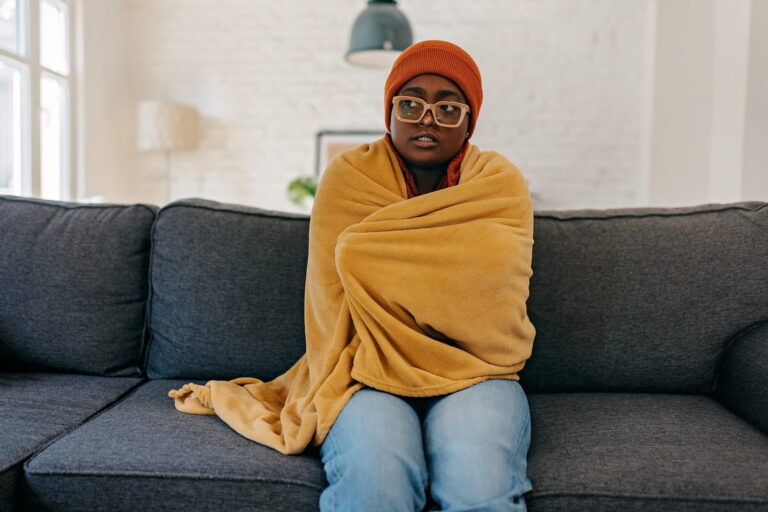
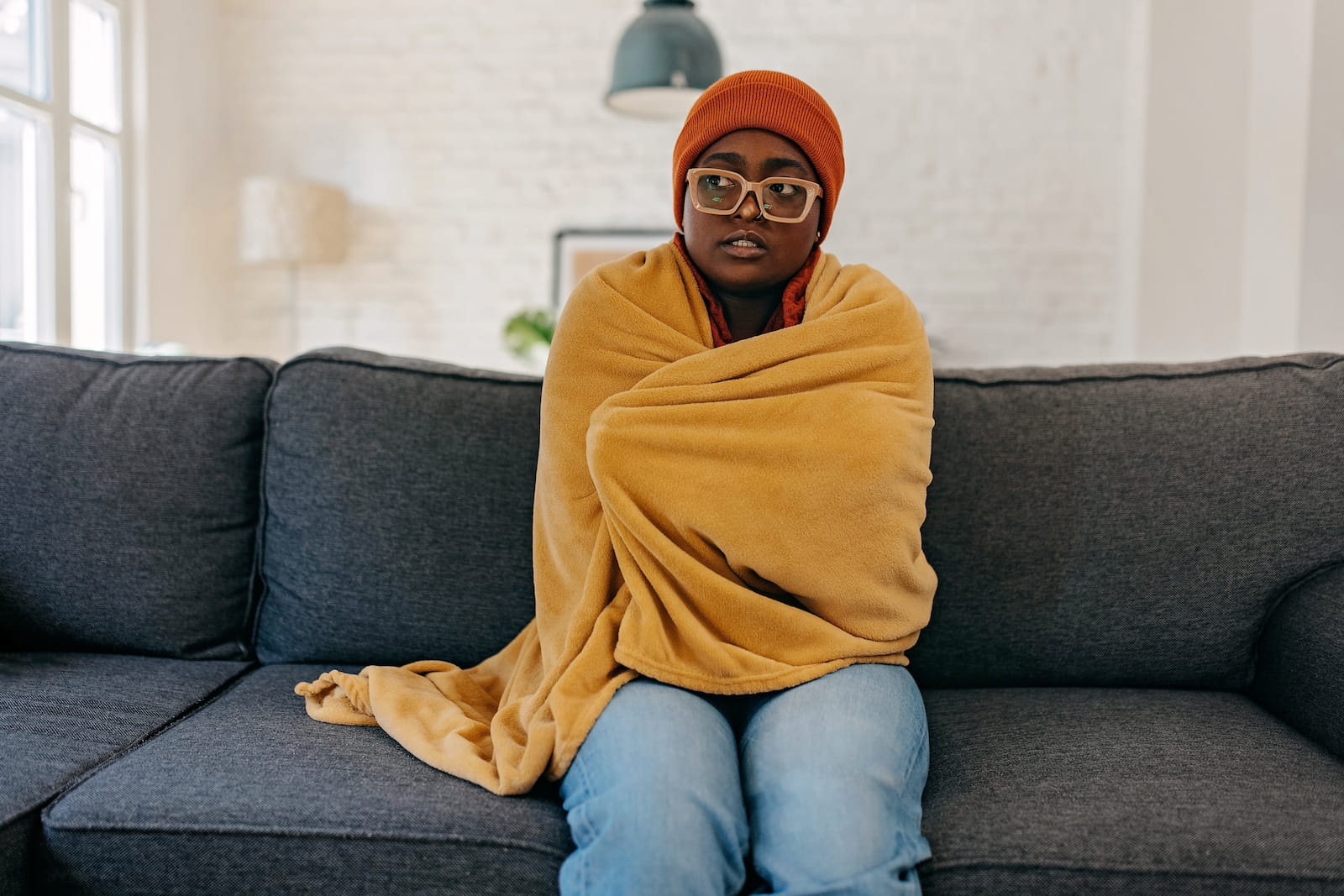
In addition to these symptoms, some patients who take oxaliplatin, in particular, can experience an extreme cold sensitivity known as cold dysesthesia. If you’re dealing with this, drinking cold beverages, eating cold food, or being in a cold environment can range from being uncomfortable to painful.
Even if you’re not having all of these symptoms or it’s currently bearable, you should still let your doctor know.

The symptoms of neuropathy–including cold sensitivity–can start immediately after chemotherapy or within a couple of days. They may also last longer depending on how long your chemotherapy lasts. Generally, neuropathy is temporary and resolves soon after you finish treatment. However, it’s not always clear how long it can last. In a 2014 systematic review, researchers assessed data from 4,179 patients who were undergoing chemotherapy.
Of that number, 68.1 percent of the patients had CIPN within the first month after chemotherapy. That number fell to 60 percent at three months, and 30 percent at the six-month mark or later. For some people, the symptoms can persist for years or even last for the rest of their lives.
That said, your doctor needs to know as soon as you start experiencing symptoms. Your risk of developing CIPN and how long the symptoms are likely to last can depend on which medications you’ve been prescribed. They may be able to change which drug you use, the dosage of the current drug, or the combination of drugs.
Additionally, your doctor may explore possible treatment for CIPN. While medications are available, their effectiveness is still being determined. Still, some options can be antidepressants, numbing medicine, antiseizure medicine, and pain relievers. One experimental treatment that may be helpful is neuromodulation. This works by training the brain to process nerve sensations differently. Currently, the options include:
You may also find some forms of alternative therapy like acupuncture, transcutaneous electrical nerve stimulation (TENS), hypnotherapy, occupational therapy, and physical therapy helpful. If you’re interested in these, talk to your doctor first to ensure that they’re in your best interest.
The sooner your doctor knows what you’re going through, the sooner they can consider what can be done to help.
Even if you’re working with your doctor to find a treatment for your CIPN or reduce the effects of chemotherapy, it’s good to know what you can do for yourself. If you’re having trouble holding things or getting dressed, consider using assistive devices to reduce pressure on your hands. You can also wear comfortable clothing that doesn’t require you to manipulate buttons. Using a warm water bottle on your hands and feet can also help alleviate some symptoms.
If you’re specifically dealing with cold sensitivity, it’s best to avoid cold foods, drinks, and environments. Focus on wearing lined gloves and insulated socks, as that’s where the sensitivity is likely to be most noticeable. Warm, breathable clothing can also be good if your skin is sensitive. While you can’t necessarily dress as warmly when undergoing treatment, it’s a good idea to bring a warm blanket with you.
When you’re at work, ask if you can move if your workspace is under a vent. Otherwise, it’s best to stay bundled up. The same is true when you’re at home. You can adjust your thermostat to a comfortable temperature or use a space heater, if possible. Beyond how you dress, check whether any areas under windows or doors need sealing to keep drafts out. The key is to stay as warm as you can.
Chemotherapy can be a highly effective treatment option for cancer. However, it can also result in a condition known as neuropathy. Tell your doctor immediately if you have any symptoms so they can decide how to move forward. In the meantime, you can try a few things to stay comfortable while you’re undergoing treatment.


By subscribing, you consent to receive emails from BlackDoctor.com. You may unsubscribe at any time. Privacy Policy & Terms of Service.
Enter your name and email to receive the download link.