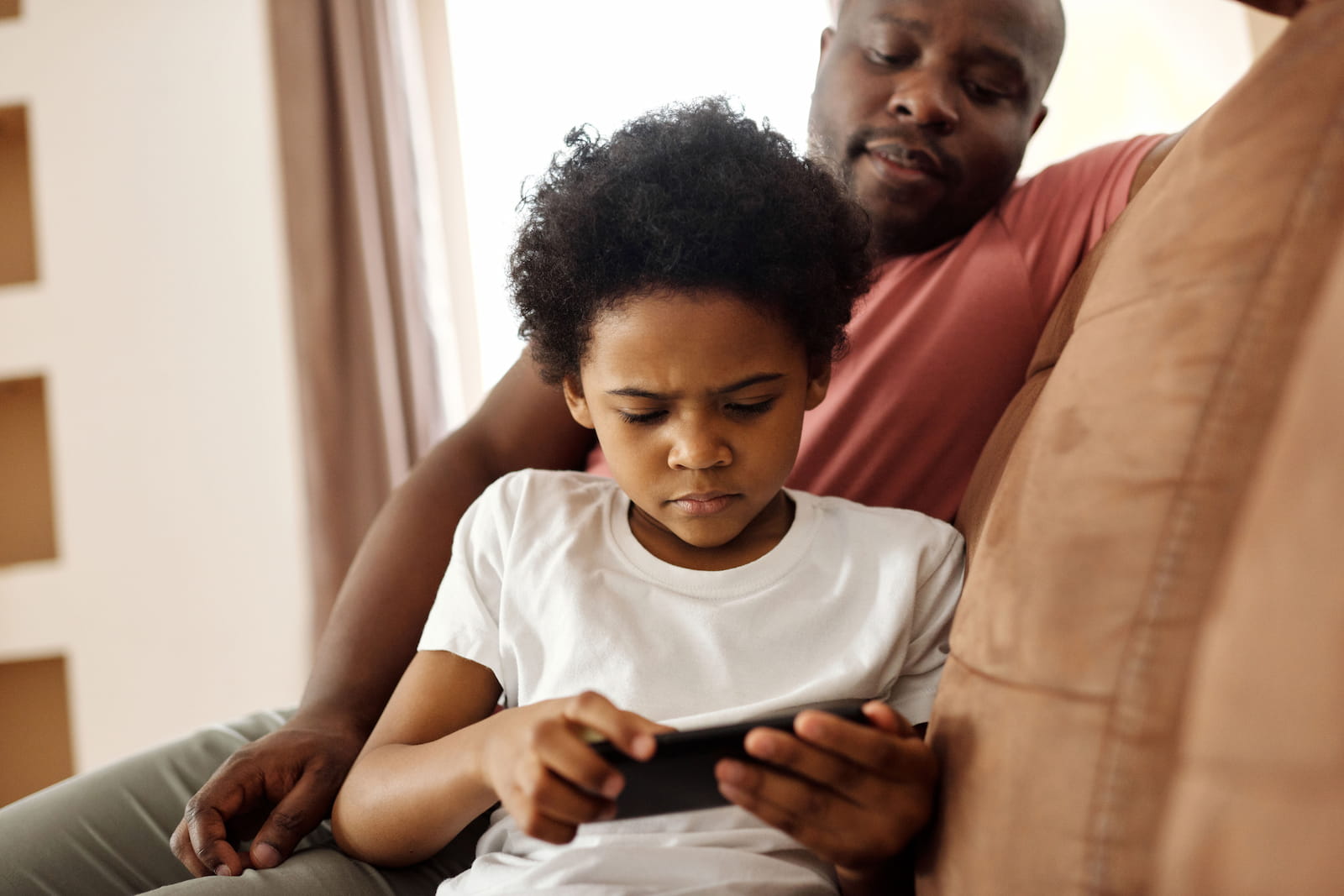
If you’re a parent or guardian, your child may spend a lot of time on their phone, tablet, laptop, or game system. From scrolling through TikTok to playing video games, children may be glued to their screens for much of the day. For many families, high screen time may lead to concerns about the child’s mental well-being, social connections to the outside world, and overall development.
However, more screen time isn’t always bad for kids’ brains. It may even have some surprising benefits, according to a new study from Finland published in the journal Pediatric Exercise Science.
Researchers followed 260 children for eight years, tracking their physical activity, sedentary behavior and screen time from childhood through adolescence.
They found that more screen time over those years was associated with better cognitive processing at an average age of nearly 16.
“We should not regard screen time solely as harmful,” said first author Petri Jalanko, a doctoral researcher at the University of Jyväskylä.
What kids are doing on their screens may be key, Jalanko said, adding that parents and teachers should encourage screen activities that promote active thinking, problem-solving, creativity and learning.
The findings around physical activity were more complicated.
Some types were linked to better working memory, but overall activity measured by tracking devices showed no connection to cognitive processing.
“Our study indicates that the connections of physical activity and sedentary behavior to cognitive processing are complex and depend on the sex, the type and assessment method of physical activity and sedentary time,” Jalanko said in a news release. “Moreover, boys and girls may benefit from different types of physical activity in view of brain health.”
Though more research is needed, the authors said the goal is finding the right balance of physical activity and screen time to support active thinking.
RELATED: What to Know Before Enrolling Your Child in a Clinical Trial
The term “screen time” can mean very different activities: educational programs, video calls with friends and family, social media, homework, and doomscrolling. With this in mind, understanding the purpose of screen time can help determine if it’s benefiting or harming a child’s brain health.
Studies have found differences in children’s screen use based on race and ethnicity, income, and other sociodemographic factors. In one study, researchers found that, on average, Black children reported 1.58 more hours of screen time per day than white children, with boys having more screen time than girls.
Higher screen use shouldn’t be seen as a parenting failure. Not every family shares the same resources, schedules, childcare options, or access to safe recreational spaces to keep children off devices. Screen time doesn’t need to be completely cut out of a child’s life. Families can adopt healthy media habits without setting strict rules on screen time.

More than setting screen-free hours, families should consider these factors when children are using devices:
The American Academy of Pediatrics (AAP) now emphasizes a personalized approach to screen use rather than a one-size-fits-all rule, taking into account a child’s age, health, personality, and developmental stage.
RELATED: Is Your Preschooler Getting Enough Consistent Sleep? Why It Matters for Brain Health
Researchers need children from different racial, ethnic, socioeconomic, and geographic backgrounds to understand whether findings apply broadly. Differences in screen use don’t necessarily mean that screen time affects every child in the exact same way. Studies also need to consider the environments in which children live, learn, play, and use technology.
Diverse participation can help researchers identify whether interventions or recommendations work equitably across populations. Parents and guardians can help researchers better understand how emerging technologies, digital interventions, and other health strategies affect diverse children.
Clinical trials rely on families from diverse backgrounds. By participating in research, Black families can help ensure that new approaches to children’s health are studied in the communities they’re intended to serve.
More information
Harvard Medical School has more on screen time and the brain.
SOURCE: HealthDay TV, Aug. 14, 2026


By subscribing, you consent to receive emails from BlackDoctor.com. You may unsubscribe at any time. Privacy Policy & Terms of Service.