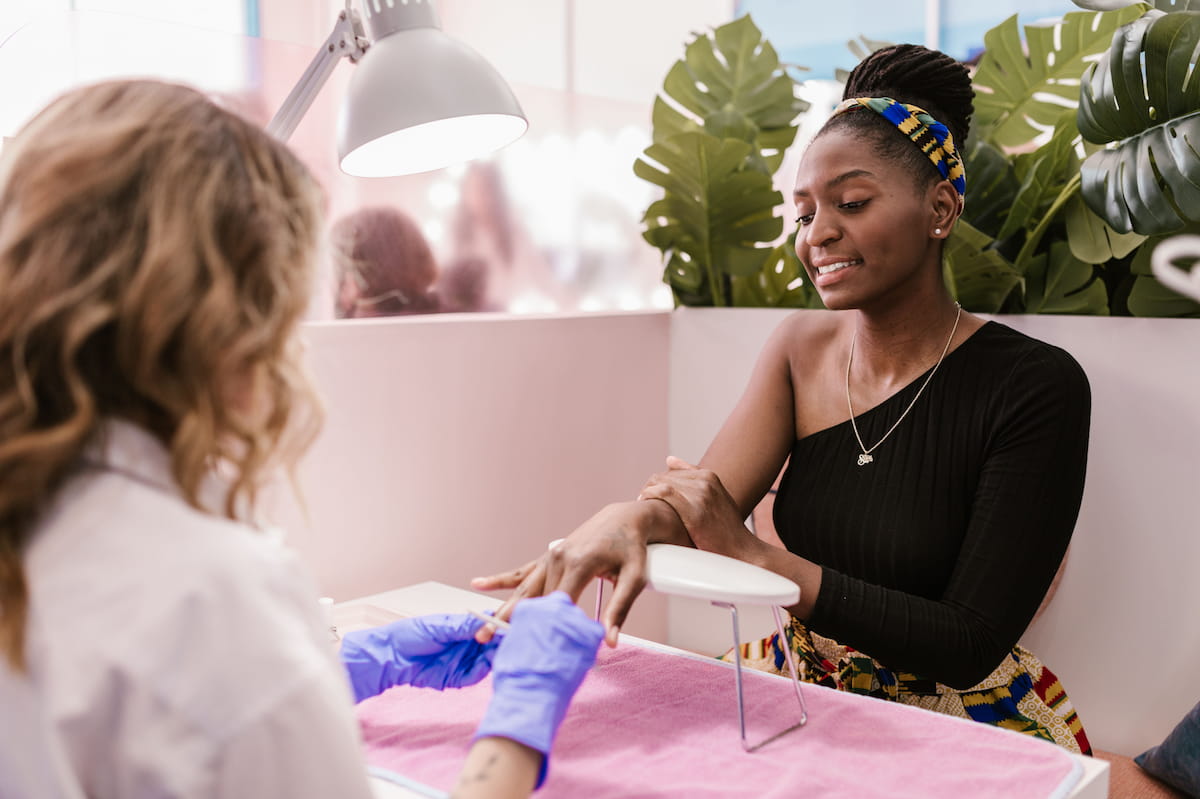
There’s nothing like a pampering experience, such as a manicure, to make you feel special. If you have TD (tardive dyskinesia), however, getting a manicure when symptomatic may require some extra and advanced planning to make sure your experience is both comfortable and safe. The uncontrollable, jerky, or repetitive finger, hand, and arm movements associated with TD may make a manicure challenging, but with some precautions, you can still get your nails done and enjoy the self-care everyone deserves. Here’s how.
This is the foundation of what kind of experience you will have. Call around, Google or Yelp search, and visit to find a nail technician who can and is willing to work with your movement disorder. Let the salon you select know that you have a condition with involuntary hand and finger movements. See if they have a tech who has worked with clients with similar conditions, such as tremors. Experience is a bonus, but patience is important too.
RELATED: Living with TD: What I Wish You Knew About my Condition
1. “Do you have experience working with clients who have involuntary movements, tremors, or medical tics?”
The answer to this question is the first priority. It is the foundation for whether they can perform the manicure on you if you have an involuntary movement. This is the first step in advocating for yourself. You are trying to assess their experience, not put them on the defensive. Yes means proceed; no means the search continues.
2. “If my hand or arm moves suddenly, is your UV/LED lamp spacious enough for me to pull away safely?”
This is a practical question you need an answer to up front to have peace of mind before it happens. Tone and demeanor reveal a lot here, from your question and their response.
3. “What is your policy if a spasm ruins a wet nail?”
This is another practical question. As a person with a movement disorder, having a spasm ruin a wet nail is possible. This is also part of communicating up front about how your TD could affect your manicure and getting the salon prepared for the possibilities. You want things to go smoothly, and their reaction makes a difference. If they don’t have a policy, they might be willing to create one for you.
4. “Can we adjust the appointment time or price?”
This is important because you might prefer to schedule your appointment at a less busy time. Additionally, if you are bringing your own supplies or filing your nails beforehand, they should not charge for work they did not do, or for products they did not provide or use. Self-care should be relaxing, not cause you to worry about attracting unwanted attention. Be prepared to negotiate, but not beg them for their service.
5. “Are your tools disinfected before and after every client?”
This is a basic question that impacts not only TD clients but non-TD clients as well. You want to be sure it is a smooth and enjoyable experience, but it also needs to be hygienic. If, during an in-person information-gathering visit, there is a delay in response or a shift in attitude from hospitable and cordial to offended at being “put on the spot”, it is a sign that they may not be the right fit for your needs. Nevertheless, the continued search for what makes it a good experience for you will be worth it.
Meeting face-to-face with a nail technician who is willing to work with you is also important. You want someone you are comfortable with and who is comfortable with providing this service for you. Go with your gut when you find someone. Because stress can exacerbate your symptoms, you want to make sure you can enjoy being pampered.
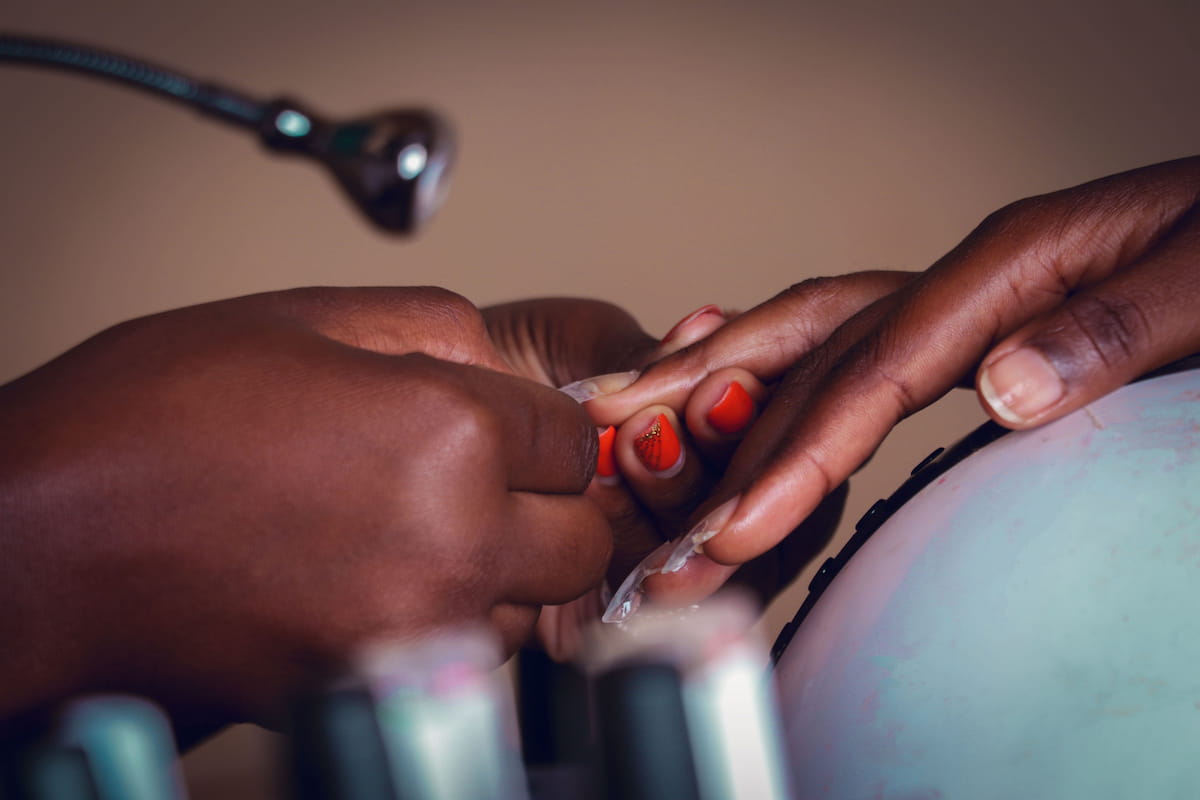
Preparation in the form of what or who can support you throughout your manicure appointment is necessary, even with accommodating nail technicians. Communicate up front what you need.
Consider bringing someone along who can keep your hands still. This may be worthwhile. Let the nail technician know if your hands spasm. Keep your hands low by resting them on the manicure table or on a heavy pillow for stability.
You may also want to bring a personal manicure kit with items like this pillow or a towel to help with hand stability. Include your own preferred cuticle oil. Add a squishy or weighted stress ball (to keep hands occupied, if needed). Talking with the manicurist may make you feel put on the spot. If so, bring a list of questions printed on a card to help.
Do what you can to make the manicure work for you. Be prepared to take breaks if you need them. This will give you an opportunity to stretch, shake out your hands, or allow for dealing with any spasm(s) you may experience.
In addition to scheduling breaks during your manicure, you may want to schedule an appointment when the salon is slow. This can reduce the stress, both physical and emotional, that could worsen TD symptoms, like twitches.
Lastly, this is your time. If you feel like you would get stressed out by any extra attention and that it would cause more spasms or other, more intense involuntary movements, there’s no shame in opting for a private appointment, like the first one of the day, after the weekend, or at the beginning of the week.
RELATED: Take Back Control of Uncontrollable Movements: 6 Practical Tips
Once you’re ready for a nail salon visit, make sure it’s safe. This starts with requesting gentler alternatives, such as best-practice or organization-approved soft-file and cuticle oil, instead of sharp clippers and metal cuticle pushers. This way, the nail technician can push back dead skin rather than trim it away. This minimizes the likelihood of accidental injury from files, buffers, cuticle clippers, and other sharp tools.
Get a low-maintenance style that won’t chip with your manicure. This means quick-dry gel or dip powders. Standard polish may smudge. With gel polish or dip powder, your hands are placed under a UV/LED light. It works by curing instantly and doesn’t smudge if your hands jerk or your fingers twitch uncontrollably under the lamp.
Ask your technician for a curing break. Instead of trying to keep the hand perfectly still for 60 seconds, ask to cure in 15-20 second intervals.
There are other ways of improving your visit. If your movement symptoms are mild that day, you might consider pre-filing. However, if your symptoms are active, it is safer to let the professional handle the shaping to avoid accidental nicks. You can bring your own quick-drying drops or a portable UV lamp if you choose a gel manicure. All of these tips can reduce the time you need to keep your hands still.
That said, if you experience intense or rapid muscle contractions in your extremities, it might be best to prioritize your wellness. Self-advocate by reaching out to your medical team, such as a neurologist or a movement disorders specialist, to evaluate or adjust your current treatment strategy. Embracing self-care through rituals like manicures is an essential part of your journey with TD; by staying adaptable with your schedule and applying these practical tips for a seamless visit, you can confidently enjoy the pampering you truly deserve.


By subscribing, you consent to receive emails from BlackDoctor.com. You may unsubscribe at any time. Privacy Policy & Terms of Service.