
When it comes to inflammatory bowel disease (IBD), the worst can happen without a warning. Including Crohn’s disease and ulcerative colitis, this condition carries numerous symptoms and struggles, everything from pain and fatigue to that sudden, unexpected need to use the bathroom when it’s least convenient!
Among Black patients with IBD, the challenges are even greater, leading to more hospitalizations and emergency room visits when compared to white patients.
As World IBD Day approaches, now is the time for change. The easiest way to do this is to change your diet. Although triggers vary by person and can change over time, there are some meals you just have to avoid.
But don’t worry, you can still enjoy bold flavors and soulful meals without sacrificing your health. Let’s get right into it…
Like heat?
Well, turns out the compound that gives peppers their spice, capsaicin, may be doing more than just turning up the temperature. In fact, capsaicin is well known to irritate the gastrointestinal lining, contributing to cramping, diarrhea, and urgency in many people with IBD.
Here’s the good news, though. You can still savor some flavorful, mild, and anti-inflammatory options, such as fresh ginger, garlic, cooked onions, and herbs like thyme, oregano, and parsley. The beauty of these ingredients is that they provide depth without burn.
If you just need a kick, try a mild jerk seasoning blend, but skip the Scotch bonnet peppers!
When it comes to spices for IBD, everyone is different. However, most people generally tolerate the following: turmeric, ginger, oregano, cumin, coriander, and mild herbs like basil, parsley, cilantro, dill, rosemary, and thyme.
As for those to avoid? For folks with IBD, it’s typically smart to avoid or at least greatly reduce any intake of black pepper, chili powder, cayenne, jalapenos and crushed red peppers. Garlic and mustard, meanwhile, receive mixed reports, with some sufferers experiencing no issues, and others experiencing many.
See what works for you, and swap in tolerable spices and herbs while swapping out ones that give you problems!
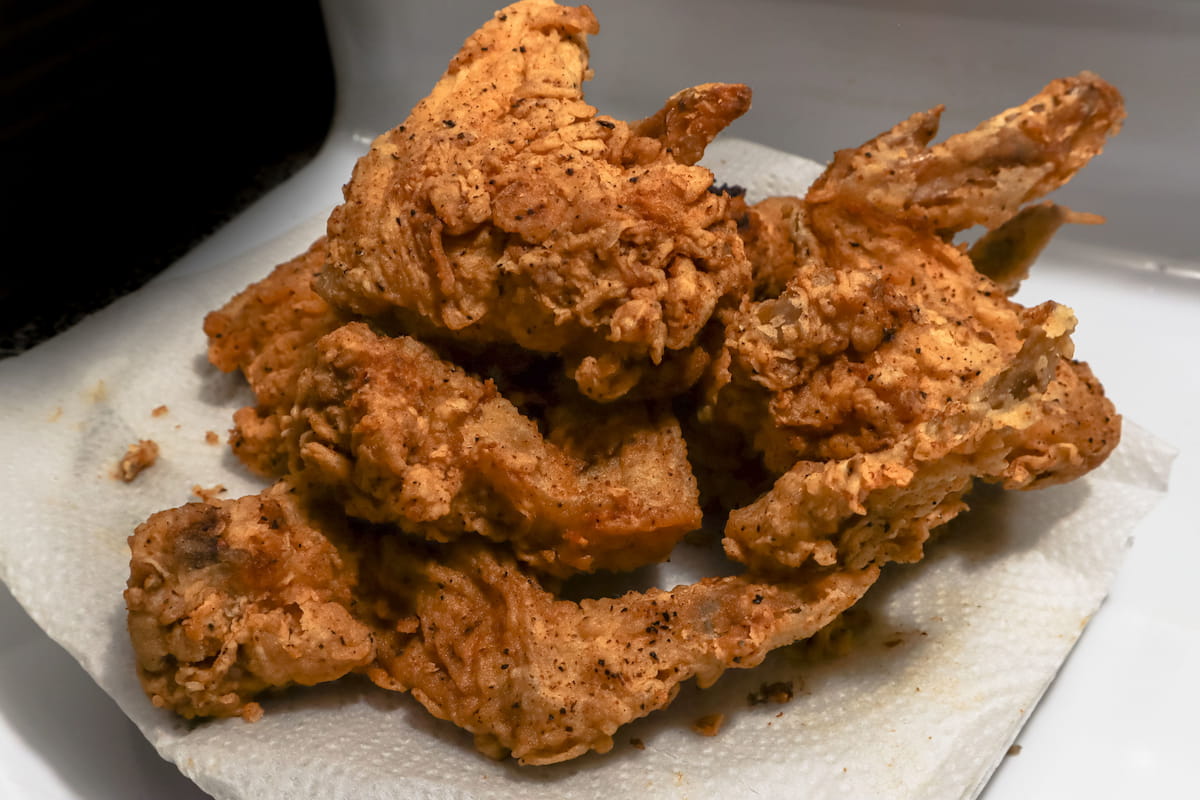
Whether it’s fried chicken, pork skins, or chicharrones, heavily fried fish, or anything with plenty of oil, these types of foods are not for the sensitive stomach. For one, the high fat content is difficult to absorb, particularly when the small intestine is inflamed.
Not to mention, undigested fat causes diarrhea, gas, and abdominal pain. Which is why the Crohn’s & Colitis Foundation specifically flags greasy and fried foods as common triggers of symptoms.
If you’re looking for alternatives, you can always use an air fryer for crispiness with little to no added oil. You can also just bake or grill chicken, fish, or turkey instead of deep-frying. When you do, choose leaner cuts and drain any excess fat.
For Sunday dinner vibes, air-fry some seasoned wings or bake some catfish with a light cornmeal crust. Delicious!
RELATED: Living with IBD: 6 Go-To Groceries That Should Always Be In Your Kitchen
When we say “processed,” we’re typically referring to items like smoked sausage, bacon, deli meats, and hot dogs. All of these foods – while tempting – are loaded with preservatives, salt, nitrates, and often hidden fats.
If you consume these foods regularly over the long term (for years), the risk of inflammation can increase significantly. The high sodium content also increases the risk of dehydration, which can make your stomach troubles that much worse.
For a smart swap, switch to smoked turkey, turkey bacon, or nitrate-free lean turkey sausage. Homemade turkey patties or grilled, smoked turkey necks are also good options if you’re craving a familiar taste without the health risks.
RELATED: Going Green With IBD? Here’s Everything You Need to Know
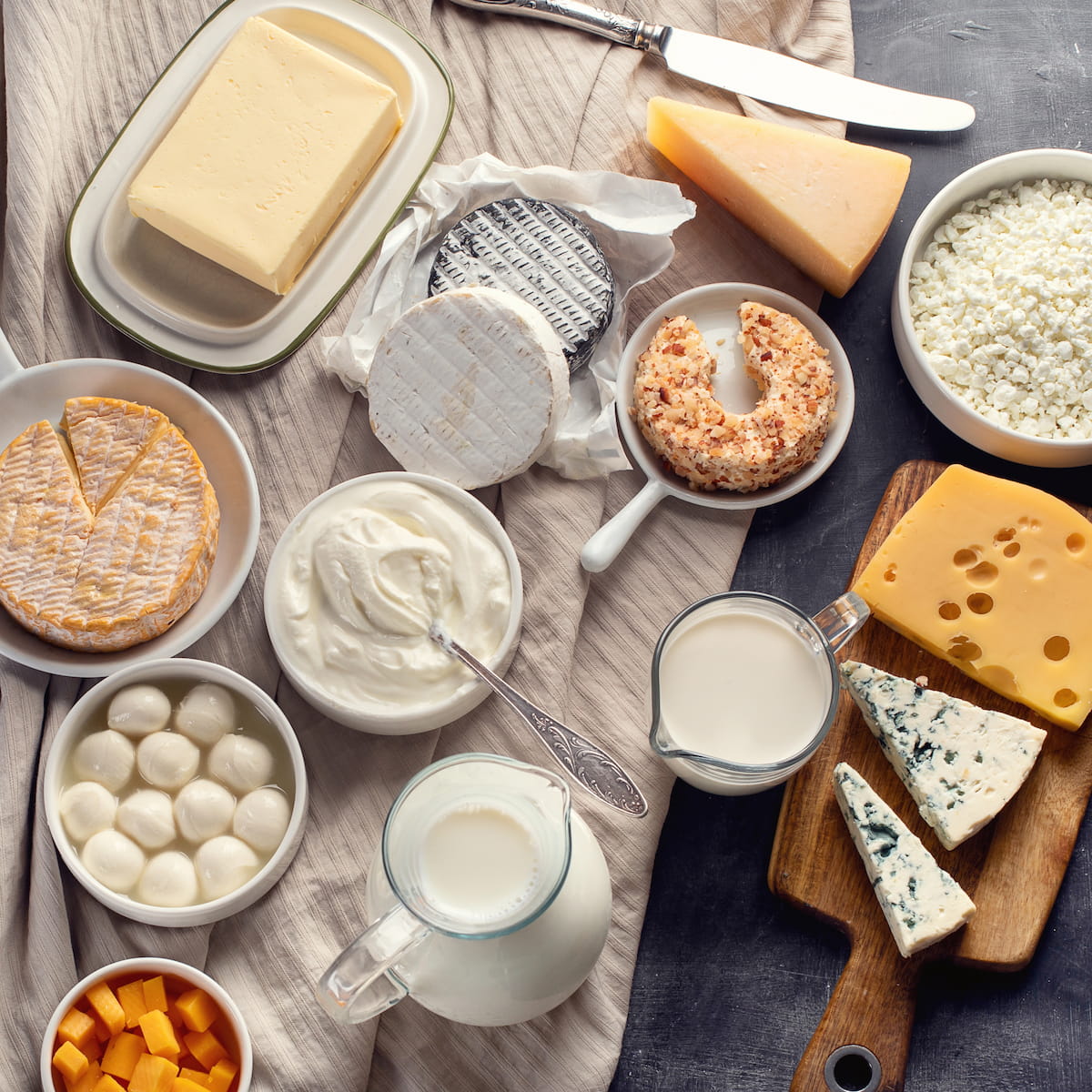
One of the main issues associated with dairy products is absorption. If you’re somebody with lactose intolerance, you should definitely avoid most dairy. We’re talking things like cheese, full-fat milk, creamy dishes, and yes, even ice cream.
Among Black adults with dairy sensitivities, the undigested lactose ferments in the gut, leading to gas, cramps, and diarrhea.
Now, this doesn’t mean you have to miss out on milk completely. You can always opt for lactose-free milk, almond or oat milk (fortified for calcium), lactose-free yogurt, or hard cheeses, which are lower in lactose. There are even plant-based ice creams without added sugars that you can experiment with as well.
Just know your body. Many people with IBD can tolerate small amounts of yogurt with live cultures.
Raw leafy greens, broccoli, Brussels sprouts, and whole beans can all be problematic to the gastrointestinal system. As a matter of fact, any vegetables with tough skins and seeds can irritate narrowed intestines.
Remember, insoluble fiber found in these foods does not dissolve well. As a result, it can cause blockages, cramping, bloating, and increased bowel movements.
So always go for cooked veggies over raw. Cook them for a long time so they’re very soft, or puree them if needed. Good foods for this are mashed sweet potatoes, peeled squash, and well-cooked carrots. If you’re doing beans, either get them pureed or refried, or go for smaller portions of lentils.
And, of course, remove any skins and seeds from tomatoes or peppers. You’ll still get all the nutrients you need, just gentler on your gut.
Sugar in excess is never a good thing, but for people with IBD, it’s especially bad. Sodas, fruit punches, sweetened iced teas, and drinks loaded with high-fructose corn syrup or artificial sweeteners are problematic for one main reason: they ferment easily.
When this happens, they draw water into your intestines, worsening gas, bloating, and diarrhea. Even “sugar-free” items that contain sorbitol are problematic because they, too, disrupt the gut.
If you have a sweet tooth, cut back on sugary drinks and go for fruit infusions instead. These are easy to make – you just let cucumbers, lemons, or berries sit in water in the fridge overnight and then enjoy the next day. Likewise, you can enjoy herbal teas (unsweetened) or diluted 100% fruit juice.
A nice homemade tea with a touch of ginger or mint hits the spot!
Last but not least, alcohol.
Beer, wine, liquor, coffee, energy drinks, and even strong tea can all irritate the gut lining. For starters, alcohol dehydrates and may lead to increased intestinal permeability, which is an indicator of how easily substances pass through the intestinal lining. Caffeine, by comparison, stimulates bowel contractions, which bring on those sudden and unexpected “I need to go now” moments.
Do yourself a favor. If you’re in a bind, choose decaf options or herbal infusions. Non-alcoholic beverages, whether non-alcoholic beer or merely sparkling water with lime, are a nice way to still enjoy your social outing without feeling left out.
Just stay hydrated. Your urine should be clear or light yellow, so you’ll know if you’re not getting enough fluid. Slow and steady is the way to do it.
Overall, it’s all about stacking change after change. Focus on smaller, more frequent meals in a calm setting. During flares, go for low-residue choices like refined grains (e.g., white rice or oatmeal), lean proteins, and cooked/peeled produce.
Gently spice and flavor your dishes, know your flares, and ask your doctor for additional nutrition resources if you need some new ideas. With some patience and practice, you can create a diet roadmap that’s right for you. Sustainable. Nutritional. And most importantly, it’s still delicious!


By subscribing, you consent to receive emails from BlackDoctor.com. You may unsubscribe at any time. Privacy Policy & Terms of Service.