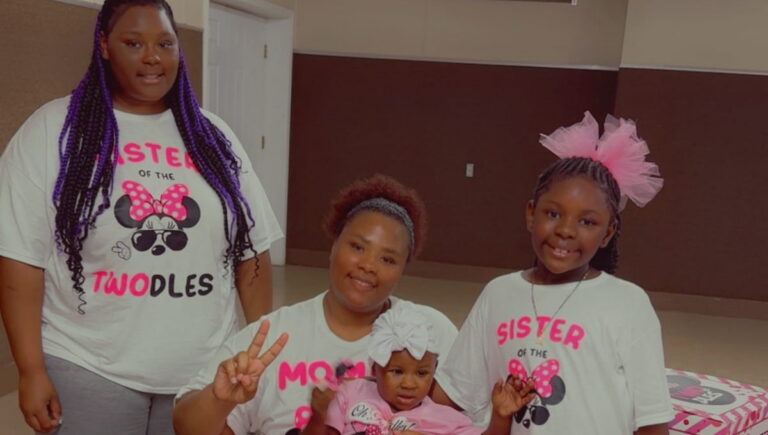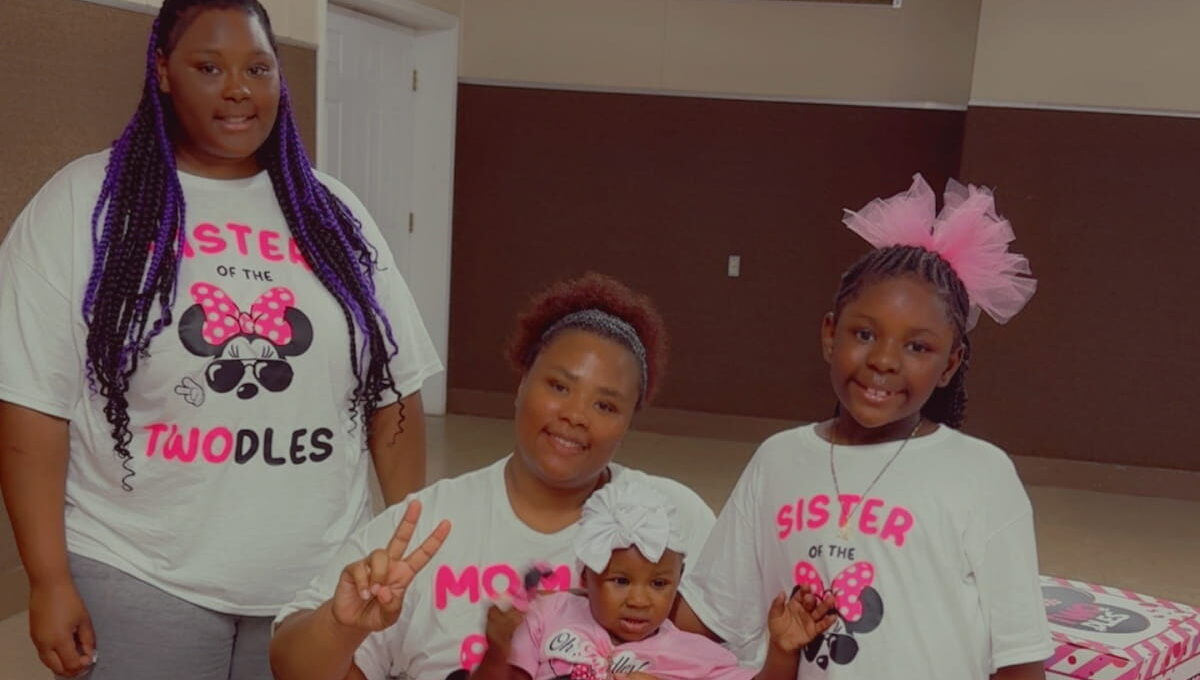
When Mineka noticed a strange glare and persistent irritation in her daughter’s eye, she never imagined it could signal something as serious as cancer. Her daughter, around six months at the time, was initially seen by a pediatrician who suspected allergies. But as the symptoms worsened, Mineka trusted her instincts and sought further care, with her own optometrist, Dr. Matthew Jones, a Doctor of Optometry in Blytheville, Arkansas.
“By 18 months, it looked like I could see straight through her eyes,” Mineka tells BlackDoctor. I knew that it wasn’t an allergic reaction. My heart was telling me that it was something else.”
Upon examining TaTiyana, Dr. Jones immediately affirmed Mineka’s belief that allergies were not responsible for her daughter’s symptoms.
During a comprehensive eye exam, Dr. Jones identified retinoblastoma—a rare and aggressive eye cancer diagnosed in only about 200 children in the U.S. each year. Additional evaluation by a pediatric eye surgeon in Memphis confirmed the diagnosis.
In his 17 years of practice, Dr. Jones—who owns four clinics—had never before encountered a case of retinoblastoma.
“As soon as I saw TaTiyana, her eye was very red and had started to turn outward—a condition many call ‘lazy eye,’ which is known as strabismus,” Dr. Jones explains. “During the exam, I also noticed a white pupil. If you see a white pupil, that’s a sign something serious is going on with the eye, and it’s certainly one of the signs of retinoblastoma.”
Retinoblastoma usually develops in early childhood, typically before the age of five. It begins in the retina—the light-sensitive lining at the back of the eye. This cancer can affect one or both eyes and often shows up as a white glow in the pupil or a noticeable change in the way a child’s eye looks or moves.
For some children, like TaTiyana, the tumor can cover the retina and cause vision loss in the affected eye—a frightening possibility that shows just how important it is to catch retinoblastoma early. When caught and treated early, most children can be cured and go on to live healthy lives.
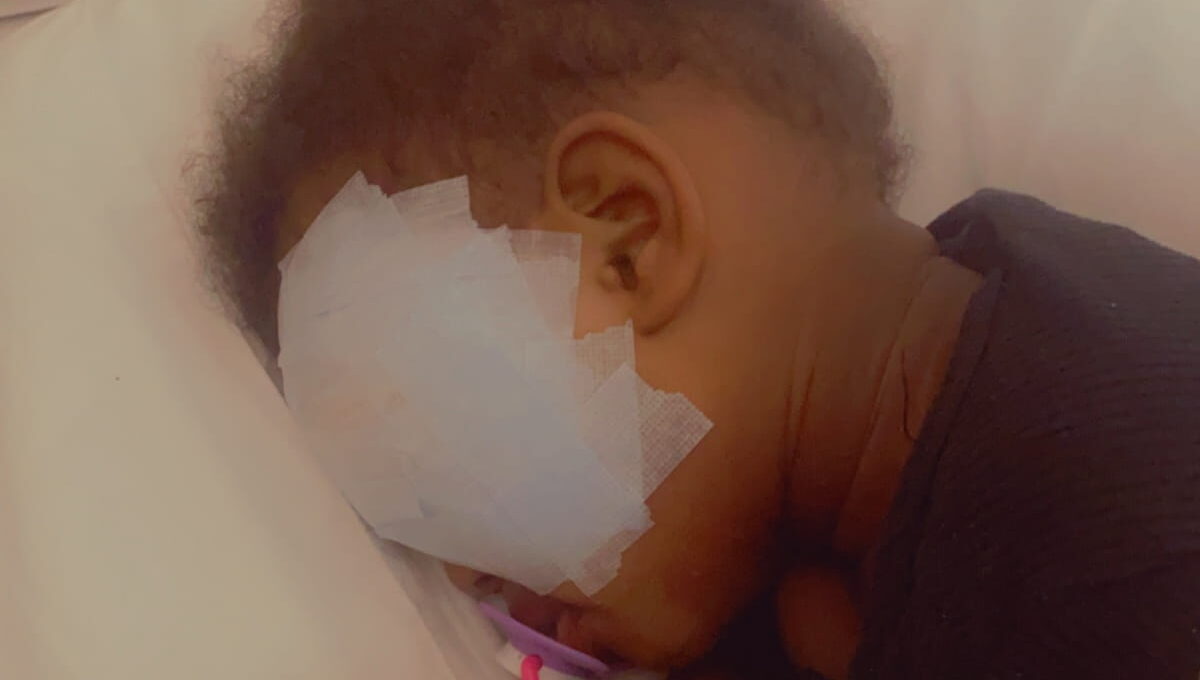
TaTiyana was immediately referred to St. Jude Children’s Research Hospital, where she underwent enucleation (removal of the affected eye) and six rounds of chemotherapy.
“I would sometimes have to leave, just so I wouldn’t cry in front of her. I would sit down in the hallway and have my moment,” Mineka recalls.
Today, TaTiyana, who completed chemotherapy in June 2025, is tumor-free—a testament to Mineka’s determination and advocacy for her daughter’s health.
“We as parents have to be advocates for our kids,” Mineka notes.
She highlights the importance of knowing when your child is not getting the care they deserve.
“If you feel like your child’s not getting the answers from one health professional, it’s okay to go elsewhere,” she explains.
Mineka credits the doctors at St. Jude for the exceptional care they provided to her daughter.
“When I say they make you feel at home when you are away from home, that’s exactly what St. Jude has done for us,” she shares.
She also praises Dr. Jones, who has served as another advocate for TaTiyana and continues to check on her regularly.
“Being in a small rural area, you really get to know your patients and the community,” Dr. Jones says. “That one-on-one relationship is what sets optometry apart. I’m so thankful that TaTiyana and Mineka walked in that day, that I was here, and that we have such great relationships with other medical professionals and St. Jude, so they could get the care they needed to live a long, happy life.”
Dr. Jones advises parents to adhere to the American Optometric Association’s recommended eye exam schedule:
| Child’s Age | Milestone |
| 6 to 12 Months | First comprehensive eye exam |
| 3 Years Old | Second eye exam |
| Before Kindergarten | Third eye exam |
| School Age | Yearly eye exams |
Catching problems early makes all the difference for your child’s vision, learning, and overall growth.
You should also keep an eye out for signs that something might be wrong, including:
Doctors have said that if the cancer had spread beyond TaTiyana’s eye, the outcome likely would have been fatal.
“Retinoblastoma is the most common ocular cancer in children in America. When dealing with this diagnosis, every hour counts,” Dr. Jones emphasizes. “Cancer can spread, so those hours and minutes, and days really, really count.”
He also emphasizes the pivotal role optometrists play in the early detection of systemic chronic conditions.
“The eye is a window into our body. It’s the only part of the body that we can look into, see blood flowing through it without an invasive technique. There are over 270 diseases that can be detected in an eye, from diabetes, blood pressure issues, autoimmune issues… Having a routine eye check is so important,” he adds.
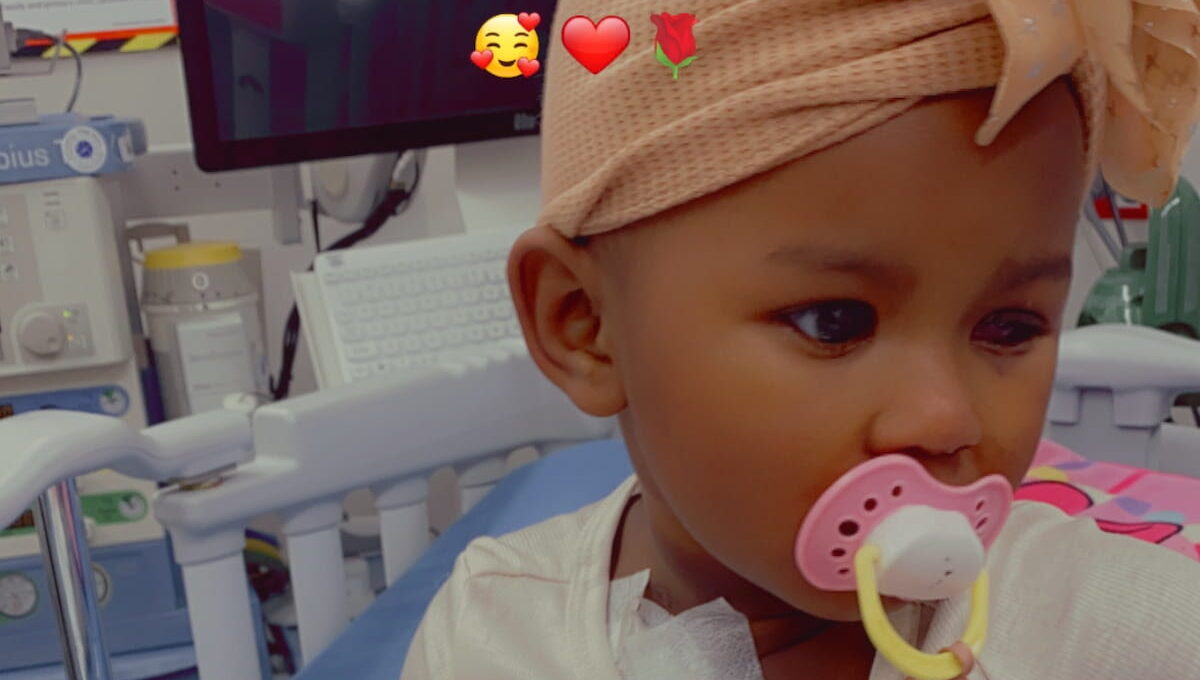
For Mineka, finding a supportive community became essential to her sense of hope and resilience during the recovery process. She reflects on how connecting with others facing similar challenges provided not only practical guidance but also much-needed emotional support. Through these connections, Mineka found reassurance and strength, helping her and her family navigate the uncertainties of their journey. She highlights several resources that played a crucial role in this process:
Mineka’s journey from a pediatrician’s office to the specialized halls of St. Jude serves as both a vital warning and a beacon of empowerment for families everywhere. Her story is a reminder that while medical expertise is invaluable, no one knows a child better than their parent.
Together, Mineka and Dr. Jones offer a simple, yet profound, piece of advice: trust your gut.
“I have an 11-year-old and a seven-year-old daughter, and I would do anything in the world for them,” Dr. Jones says. “We put our trust in medical professionals, and usually, there’s no reason to doubt them. But if you feel something in your heart—if issues persist and questions go unanswered—seek that second or even third opinion.”
Ultimately, the gift of sight—and in TaTiyana’s case, life—often depends on acting swiftly.
“Never stop fighting for your kids,” Dr. Jones concludes. “If you feel it in your gut, take them to a specialist, an optometrist, or wherever you need to go. Don’t be ashamed to seek help. Those extra steps don’t just provide answers; they save lives.”


By subscribing, you consent to receive emails from BlackDoctor.com. You may unsubscribe at any time. Privacy Policy & Terms of Service.