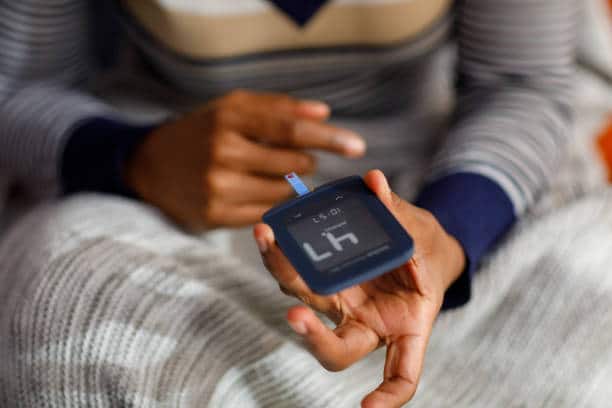
If you have diabetes or know someone with diabetes, you’ve probably heard the term “A1C” more times than you can count.
But what does it really mean? And frankly, what can you do about it if it continues to stay elevated despite your best efforts?
If you find yourself struggling to keep your A1C at a healthy level, despite doing everything right and staying the course, you’re not alone. Black Americans actually have different red blood cell lifespans and other genetic factors that can lead to higher levels than their white counterparts.
Let’s get to the bottom of it.
Here are 10 reasons your A1C isn’t where you want it to be, and what you can do about it…
Hemoglobin variants—like sickle cell trait – are typically found in eight to 10 percent of Black Americans. In some cases, these red blood cell mutations can actually lead to falsely high or low A1C readings. According to research, people with the trait have lower HbA1C at equivalent glucose levels, leading to a misinterpretation of glycemic control.
So don’t be afraid to ask your doctor. You may have what’s called hemoglobinopathy, in which case alternate tests such as fructosamine and continuous glucose monitoring may be preferred.
If you skip doses of metformin, insulin, or other glucose-lowering drugs, this can directly lead to blood sugar spikes. These issues are more likely among individuals who struggle to afford their medications. In some cases, individuals may stop or pause their medicine due to side effects or simple forgetfulness.
Whatever the case, poor medication adherence is linked to significantly higher A1C levels in diabetes patients. If that isn’t enough reason to stay the course, then nothing is!
Just make sure you’re speaking to your doctor if the side effects aren’t subsiding or become severe. And if you’re forgetful, try pill boxes, phone alarms, and patient assistance programs to stay on track.
This one’s a no-brainer. If you consume a lot of refined carbs, sugars, and unhealthy fats, you’re going to experience rapid post-meal glucose surges. It’s almost guaranteed. Unfortunately, many traditional soul food favorites can cause this.
Wondering what to do instead?
Results from the Diabetes Prevention Program show that a balanced diet plus moderate exercise can cut progression to type 2 diabetes by 58 percent over three years.
Frankly, it’s not even that hard to change. You just have to make daily conscious choices for healthy alternatives. Swap white rice for brown, choose baked or grilled over fried, and fill half your plate with non-starchy veggies. You’ll be glad you did.
RELATED: A1C: What Is It, and What Does It Mean for Your Heart?
We all get stressed from time to time, but ongoing, lasting stress is even worse. When you’re constantly stressed out, your body produces more of the hormones, cortisol and adrenaline, which can then increase blood sugar.
The best way to combat stress is through easy techniques and exercises. Practice deep breathing, get involved with church or faith-based groups, or even tune into a meditation app.
Sometimes, a little ‘forest bathing’ can do wonders. The Japanese call it shinrin-yoku, which means immersing yourself in nature.
Nothing like a little nature to reset the body, mind, and soul…
Exercise is key. It doesn’t matter if you’re eating super well; if you’re not exercising at least a little bit, you’re missing out. So get that heart rate up! Research shows that exercise boosts insulin sensitivity while also helping muscles to absorb glucose.
If you live in an unsafe neighborhood or have limited access to gyms, consider a nearby park. If it’s hard getting outdoors, you can always pull up an exercise routine on YouTube, everything from beginner’s yoga to high-intensity interval training workouts.
When we sleep, we recover. We repair. We rejuvenate.
But when we aren’t getting enough sleep or quality sleep, our insulin and glucose metabolism can become dysfunctional. For people with sleep apnea, this effect is even worse. If you find yourself snoring excessively or waking up gasping for air, talk to your doctor.
A rule of thumb is eight hours per night, but everybody’s different. Your healthcare provider can refer you to pulmonologists, psychiatrists, and neurologists if your sleep troubles persist.
Medicines can work wonders when used properly, but sometimes, they do more harm than good! So don’t be bashful. If you’re having bad side effects, don’t feel right, or notice your A1C is going up, it’s time for a change. Drugs like glucocorticoids, certain antipsychotics, and some HIV treatments are of particular concern when managing your diabetes.
Believe it or not, glucocorticoid-induced hyperglycemia affects up to one-third of patients on steroids. If you’re one of them, take a step back. Review all prescriptions with your provider and adjust timing and dosages where possible. In some cases, lifestyle changes or alternative medications may be best.
Lack of insurance is one of the main barriers for marginalized communities. Many times, low-income diabetes patients simply can’t get their hands on the fresh foods, education materials, and trusted care they need.
To clear these hurdles, look into community health centers, church-based nutrition programs, and local farmers’ markets that offer subsidies.
RELATED: Day 1: Just Been Diagnosed with Diabetes
We all want to get in touch with our roots, but at what cost?
Oftentimes, deeply ingrained food traditions can clash with diabetes-friendly diets. This is where meal changes come into play. If you’re worried that your dishes will lose delicious flavor, think again!
Keep the soul in your food by revamping the classics. Instead of frying, bake. Instead of reaching for the salt, use smoked paprika. Want to add something extra to your stews and soups? Go for greens and legumes.
Clean, healthy eating doesn’t have to be hard. And it doesn’t have to lack flavor either.
What good are blood readings if they’re inaccurate or not enough?
If you’re not frequently checking your values, especially during high-glucose episodes, you may miss what’s really going on. As a result, you could have delays in tweaking your treatments and modifying your lifestyle.
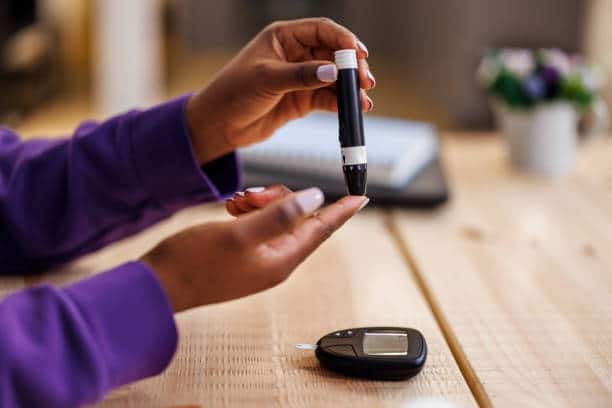
According to the Americans with Disabilities Act (ADA) standards, you should at least get biannual A1C testing, and if you’re not meeting your goals, go for quarterly testing to get back on track. You can even use home glucose meters or continuous glucose monitors (CGMs) to really lock in.
At the end of the day, it all comes down to consistency, accountability, and transparency. Know what your values mean, know how your body reacts, and don’t let yourself or others off the hook. While it may feel like a drag at first, that’s just you getting over the hump.
Over time, you’ll find that putting in the extra steps will make you feel better than ever, and before you know it, you’ll never want to go back!



By subscribing, you consent to receive emails from BlackDoctor.com. You may unsubscribe at any time. Privacy Policy & Terms of Service.
Enter your name and email to receive the download link.