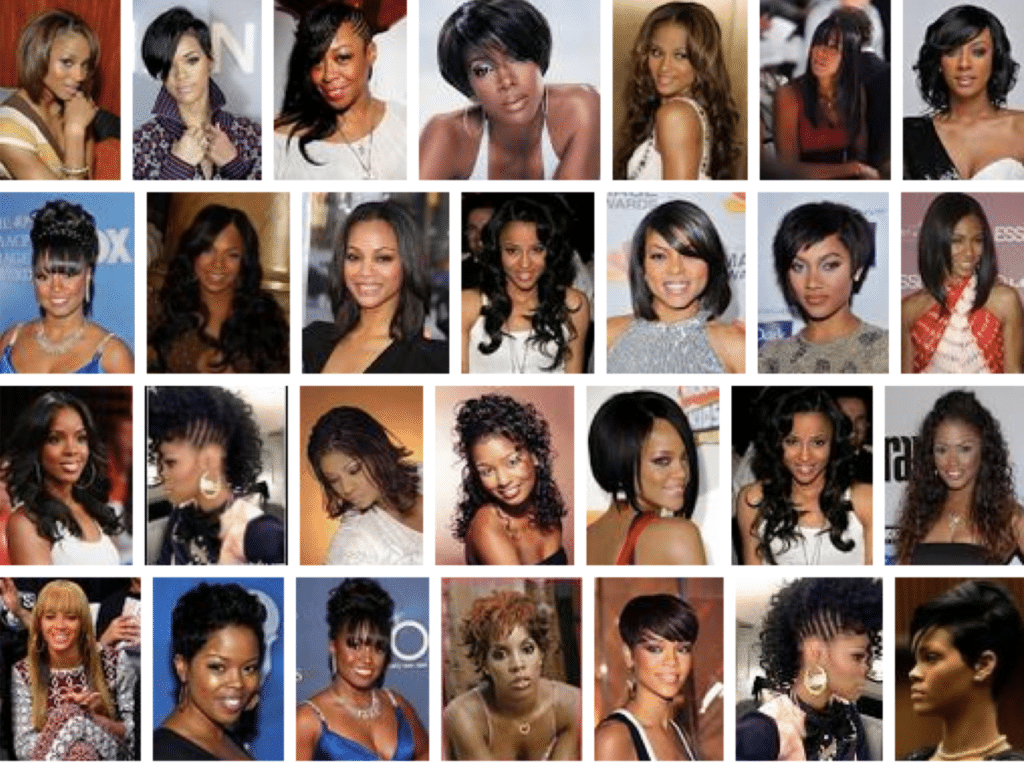
The healthy hair diet is here for you if you’ve tried every shampoo, conditioner, and cream hoping for thick, shiny hair. The reason you haven’t seen results yet is that you may be going at it all wrong.
The truth is, eating the right foods will not only help you feel great but they’ll give you luxurious locks as well. Here is some advice for getting “ahead” in the hair game.
Healthy hair depends on the body’s ability to construct a proper hair shaft, as well as the health of the skin and follicles. Therefore, good nutrition assures the best possible environment for building strong, lustrous hair.
However, changing your diet now will affect only new growth, not the part of the hair that is already visible.
In fact, starting a hair-healthy diet today will mean a more gorgeous head of hair within six months to a year, depending on how fast your hair grows.
Hair growth can vary between ¼ inch to 1 inch per month (depending on personal differences). On average, a person can expect to have about 4 – 6 inches of new growth every year, so it will take about that long to notice the effects of your nutritional changes.
Before discussing how nutrition helps hair, it’s important to point out what nutrition cannot help:
• Thinning hair due to male pattern baldness cannot be helped with nutrition. Your best bet is to catch it early and speak with your doctor about medication.
• Thinning hair due to aging cannot be helped with nutrition. As we get older our hair spends more time in a resting phase — versus a growing phase, which leads to thinner, slower growing hair.
Other conditions that negatively affect hair – but are all reversible, include:
• Hormonal shifts – women tend to notice hair changes during pregnancy, postpartum and nursing.
• Stress. Stress is one of the most common causes of reversible hair loss.
• Medications. Several medications can cause temporary hair loss.
• Certain medical conditions. Thyroid conditions (hypo or hyper) can have a particularly negative effect on hair health.
• Low ferritin Levels. Otherwise known as a low iron reserve, this condition is seen often in women suffering from fibroid issues
After ruling out medical and stress-related conditions, here’s my recipe for a Healthy Hair Diet!
Protein is necessary for all cell growth, including hair cells. Hair gets its structure from hardened proteins called keratin. Without enough protein for keratin, hair grows more slowly, and the individual strands that do grow will be weaker.
Furthermore, the iron found in animal protein (called “heme iron”) is most easily absorbed by the body (more so than the iron in plant foods (non-heme iron). Iron helps red blood cells carry oxygen to all cells in the body, including the hair follicles.
For most people, foods can provide all the iron necessary for good health and strong hair.
However, before menopause, women may want to consider taking a standard multivitamin that contains the daily value for iron.
Never take straight iron pills without a doctor’s supervision – taking excessive amounts when your body is not deficient can be detrimental to your health.
Good sources of iron-rich protein include oysters, lean beef, turkey, duck, lamb, chicken, pork, shrimp and eggs (not FRIED! Try to bake or broil these foods. For eggs, go with boiled eggs instead).
Good sources of vegetarian iron rich protein include tofu, soybeans, lentils, beans and black-eyed peas.
Vitamin C improves the body’s ability to absorb non-heme iron (also known as vegetarian based iron). So, vegetarians should eat iron-rich vegetables and foods rich in vitamin C at the same meal.
Vitamin C is also used to form collagen, a structural fiber necessary for the body to maintain integrity by holding it all together. Hair follicles, blood vessels, and skin all require collagen to stay healthy for optimal growth of beautiful hair.
Good sources include guava, peppers, oranges, grapefruit, strawberries, pineapple, papayas, lemons, broccoli, kale, and Brussels sprouts.
Folate, Vitamin B-6, and Vitamin B-12 are very important.
These vitamins are involved in the creation of red blood cells, which carry oxygen and nutrients to all body cells. This includes those of the scalp, follicles, and growing hair.
Without enough B vitamins, the cells will not thrive, causing shedding, slow growth, or weak hair that is prone to breaking.
• Good sources of vitamin B6 include fortified whole-grain breakfast cereals, garbanzo beans, wild salmon, lean beef, pork tenderloin, chicken breast, white potatoes (w/skin), bananas, and lentils.
• Great sources of Vitamin B12 include shellfish (clams, oysters, crab), wild salmon, fortified whole-grain breakfast cereal, soy milk, trout, lean beef, and low-fat cottage cheese.
• Good sources of folate include fortified whole-grain breakfast cereals, lentils, black-eyed peas, soybeans, oatmeal, turnip greens, spinach, green peas, artichokes, okra, beets, parsnips, and broccoli.
The mineral zinc is involved in tissue growth and repair, including hair growth. It also helps keep the oil glands around the hair follicles working properly. Low levels of zinc can cause hair loss, slow growth, and dandruff.
Good sources of zinc include oysters, lean beef, crab, ostrich, pork tenderloin, peanut butter, wheat germ, turkey, veal, pumpkin seeds, chicken, and chickpeas.
By Jacqueline Tarrant, BDO Contributing Writer

By subscribing, you consent to receive emails from BlackDoctor.com. You may unsubscribe at any time. Privacy Policy & Terms of Service.