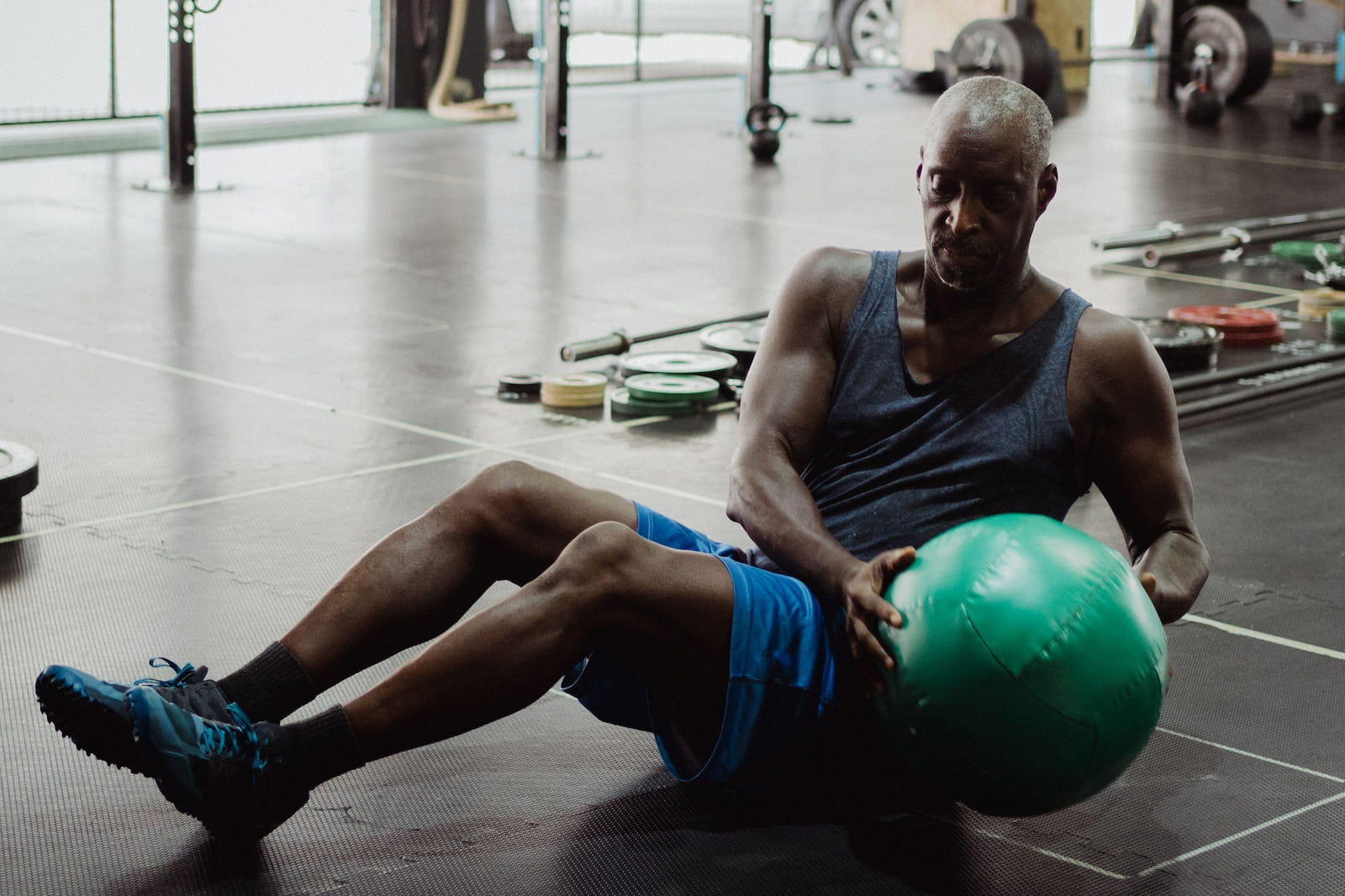
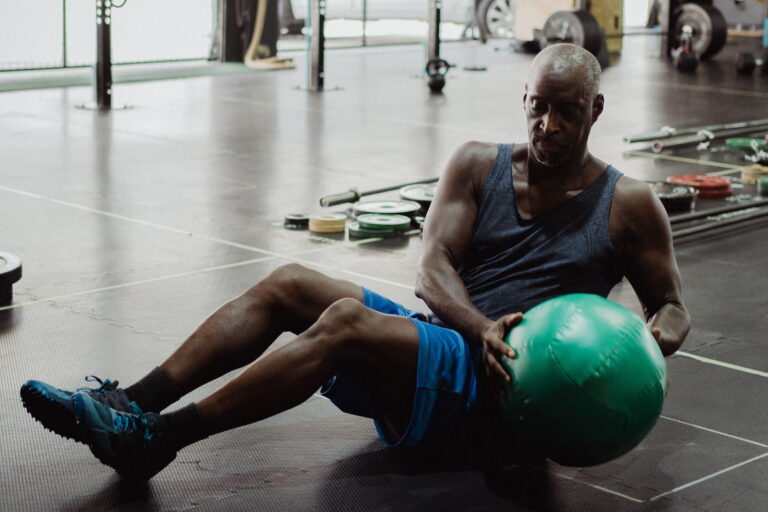
Strength training is one of the most effective ways to improve your health, boost your metabolism and enhance your quality of life — no matter your age.
As a physician, Dr. Jillian Foglesong Stabile assures that building muscle is not just for athletes or the young; it’s a vital part of healthy aging, injury prevention and overall wellness. Here’s what you need to know to start strength training safely and effectively at any stage of life.
Why Strength Training Matters
Muscle mass naturally decreases as we age, a process known as sarcopenia. This loss can lead to weakness, instability and a higher risk for falls and fractures. Strength training reverses this trend by stimulating muscle growth, improving bone density and enhancing joint health. Additional benefits include better blood sugar control, improved mood and increased energy levels.
Featured on BlackDoctor
What Are the Benefits of Strength Training?
Whatever type of strength training you choose, your body can benefit. Here are 10 ways it can help you become healthier, stronger and better prepared for the physical demands of daily life, according to the Cleveland Clinic.
Increases strength and muscle tone: With consistent resistance training, many people begin to notice visible muscle growth within two to three months.
Supports weight management: Building muscle can increase your metabolism and daily calorie expenditure because muscle uses more energy than many other body tissues, even at rest.
Improves balance: Strengthening your core and lower-body muscles creates a more stable foundation, helping you stay balanced and upright.
Strengthens bones: Weight-bearing exercise stimulates bone tissue, helping improve bone strength and protect against osteoporosis and fractures.
Supports heart health: Strength training may help reduce cardiovascular disease risk factors such as high blood pressure and high cholesterol, helping your heart work more efficiently.
Helps manage blood sugar: The American Diabetes Association recommends strength training two to three times per week because it can improve blood sugar control and insulin sensitivity.
Reduces injury risk: A stronger body is often better equipped to withstand physical stress. A review of studies found that strength training reduced both acute and overuse injuries.
Boosts mood: Strength training and other forms of exercise can trigger the release of feel-good hormones, including endorphins, which may help improve your mood.
Protects brain health: Studies suggest that strength training may help slow age-related cognitive decline and memory loss. Exercise is also recognized as one of the “Six Pillars of Brain Health.”
May support longevity: Taken together, the benefits of strength training may contribute to a longer life. Researchers report that muscle-strengthening activities are associated with a 10% to 17% lower risk of premature death.
Getting Started: Key Principles
Consult your doctor: Especially if you have chronic health conditions or are new to exercise, a medical check-up ensures you’re ready to begin.
Start slow: Begin with bodyweight exercises such as squats, push-ups or lunges. Resistance bands and light dumbbells are excellent next steps.
Focus on form: Proper technique is crucial. Controlled movements reduce injury risk and maximize muscle engagement. Consider a session with a certified trainer to learn correct form.
Progress gradually: Aim for two to three sessions per week, allowing at least one day of rest between workouts. Increase weights or resistance slowly, by about 2% to 5% for upper-body exercises and 5% to 10% for lower-body exercises.
Listen to your body: Muscle soreness is normal, but sharp pain or joint discomfort isn’t. If something feels wrong, stop and reassess.
Essential Exercises
A balanced strength program includes exercises for all major muscle groups:
Upper body: Push-ups, rows, shoulder presses
Lower body: Squats, lunges, calf raises
Core: Planks, bridges, abdominal crunches
Safety Tips For All Ages
Warm up and cool down: Spend five to 10 minutes on light cardio and stretching before and after each session.
Stay hydrated: Drink plenty of water, especially during warmer months.
Use proper equipment: Wear supportive shoes and use weights that are appropriate for your ability.
Rest and recover: Give muscles time to repair by spacing out workouts and getting enough sleep.
Final Thoughts
Strength training is a lifelong investment. With the right approach, you can build muscle safely, preserve mobility and enjoy a healthier, more active life at any age. Start small, be consistent and remember: It’s never too late to get stronger.
BlackDoctor is the world’s largest and most comprehensive online health resource specifically for the Black community. BlackDoctor understands that the uniqueness of Black culture - our heritage and our traditions - plays a role in our health. BlackDoctor gives you access to innovative new approaches to the health information you need in everyday language so you can break through the disparities, gain control and live your life to its fullest.
✦ AI Search Disclaimer This AI-powered search tool helps you find relevant health articles from the BlackDoctor.org archive. Please keep the following in mind:
✦ For Informational Purposes Only The information provided through this AI search is for general educational and informational purposes only. It is not intended as a substitute for professional medical advice, diagnosis, or treatment.
✦ Always Consult a Healthcare Provider Never disregard professional medical advice or delay seeking it because of something you have read through this search tool. If you have a medical emergency, call your doctor or 911 immediately.
✦ AI Limitations This search tool uses artificial intelligence to help match your queries with articles in our archive. While we strive for accuracy, AI-generated results may occasionally be incomplete, outdated, or not fully relevant to your specific situation.
✦ No Doctor-Patient Relationship Using this search tool does not create a doctor-patient relationship between you and BlackDoctor.org or any healthcare provider.
Explore over 35,000 articles and videos across black health, wellness, lifestyle and culture