A diagnosis of chronic lymphocytic leukemia (CLL) can be life-altering, bringing with it a host of emotional and psychological challenges. Managing stress effectively is crucial for maintaining your overall well-being and improving your quality of life. In this article, you’ll find practical strategies to help you cope with the stress associated with CLL.
Understand Your Diagnosis
Educate Yourself
Knowledge is empowering. Take the time to learn about CLL, its progression, treatment options, and what to expect. Understanding your condition can reduce uncertainty and help you feel more in control.
Ask Questions
Don’t hesitate to ask your healthcare team any questions you have about your diagnosis, treatment plan, or prognosis. Clear communication with your doctors can alleviate anxiety and provide clarity.
Featured on BlackDoctor
Build a Support Network
Connect with Loved Ones
Share your feelings and concerns with family and friends. Their support can provide comfort and help you feel less isolated. Let them know how they can best support you, whether through practical help or emotional support.
Join Support Groups
Consider joining a support group for people with CLL or other types of cancer. Sharing experiences with others who understand what you’re going through can be incredibly reassuring and help you gain valuable insights.
Seek Professional Help
A counselor, therapist, or psychologist specializing in chronic illness can help you develop coping strategies, process your emotions, and address any mental health concerns.
Practice Stress-Relief Techniques
Mindfulness and Meditation
Mindfulness practices, such as meditation, can help you stay present and reduce anxiety. Try setting aside a few minutes each day to meditate, focusing on your breath and letting go of negative thoughts.
Deep Breathing Exercises
Deep breathing exercises can calm your mind and reduce stress. Practice slow, deep breaths, inhaling through your nose and exhaling through your mouth. This technique can be particularly helpful during moments of acute stress.
Regular physical activity can boost your mood, improve sleep, and reduce anxiety. Find an exercise routine that suits your abilities and preferences, whether it’s walking, yoga, or gentle stretching.
Creative Outlets
Engaging in creative activities such as drawing, painting, writing, or playing music can be therapeutic. These activities allow you to express your emotions and distract your mind from stress.
Maintain a Healthy Lifestyle
Balanced Diet
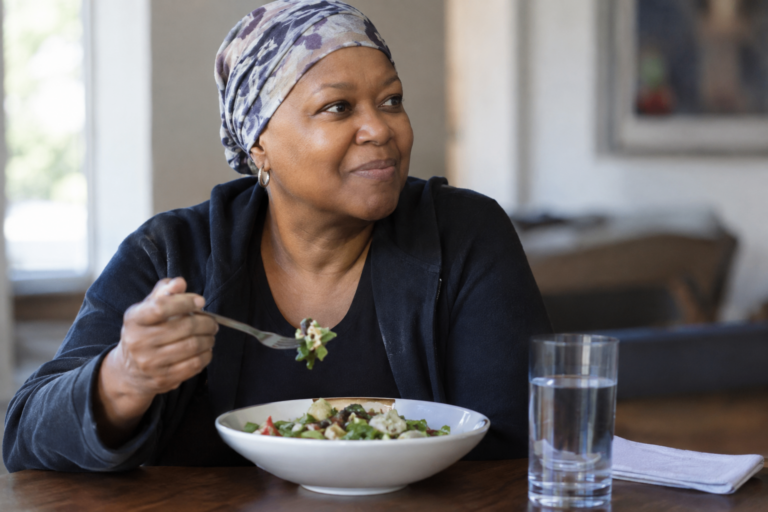
Eating a nutritious, balanced diet supports your overall health and can positively impact your mood. Focus on whole foods, including fruits, vegetables, lean proteins, and whole grains.
Adequate Sleep
Quality sleep is essential for managing stress and maintaining physical health. Aim for 7-9 hours of sleep per night and establish a regular sleep routine.
Hydration
Staying hydrated is crucial for your body’s functioning. Drink plenty of water throughout the day and limit caffeine and alcohol intake, as these can contribute to stress and disrupt sleep.
Plan and Prioritize
Set Realistic Goals
Set achievable goals for yourself, both short-term and long-term. This can provide a sense of purpose and accomplishment, helping you stay motivated.
Manage Your Time
Create a daily or weekly schedule to manage your time effectively. Prioritize tasks that are most important to you and allow yourself flexibility to rest when needed.
Delegate Tasks
Don’t be afraid to ask for help with daily tasks and responsibilities. Delegating can reduce your workload and give you more time to focus on self-care and stress management.
Focus on What You Can Control
Accept Uncertainty
Living with CLL involves dealing with uncertainty. Try to accept that some things are beyond your control. Focus on the aspects of your life that you can manage and influence.
Practice positive thinking and gratitude. Each day, identify things you are grateful for or positive experiences you’ve had. This can shift your focus away from stress and towards appreciation and hope.
Engage with Your Healthcare Team
Regular Check-Ups
Stay on top of your health by attending regular check-ups and following your treatment plan. Being proactive about your health can provide a sense of control and reassurance.
Open Communication
Maintain open communication with your healthcare team. Discuss any concerns or changes in your condition promptly. This can help you feel supported and ensure you receive the best possible care.
Explore Relaxation Techniques
Aromatherapy
Using essential oils such as lavender, chamomile, or eucalyptus in a diffuser can create a calming environment and help reduce stress.
Massage Therapy
Massage therapy can relieve physical tension and promote relaxation. Consider scheduling regular massages or practicing self-massage techniques at home.
Nature and Outdoor Activities
Spending time in nature can have a soothing effect on your mind and body. Go for a walk in a park, hike in the woods, or simply sit outside and enjoy the fresh air.
Conclusion
Managing the stress of CLL is essential for maintaining your overall well-being. By educating yourself, building a support network, practicing stress-relief techniques, maintaining a healthy lifestyle, and focusing on what you can control, you can navigate this challenging journey with resilience and hope. Remember, you are not alone—reach out for support when needed and take proactive steps to care for your mental and emotional health.
BlackDoctor is the world’s largest and most comprehensive online health resource specifically for the Black community. BlackDoctor understands that the uniqueness of Black culture - our heritage and our traditions - plays a role in our health. BlackDoctor gives you access to innovative new approaches to the health information you need in everyday language so you can break through the disparities, gain control and live your life to its fullest.
✦ AI Search Disclaimer This AI-powered search tool helps you find relevant health articles from the BlackDoctor.org archive. Please keep the following in mind:
✦ For Informational Purposes Only The information provided through this AI search is for general educational and informational purposes only. It is not intended as a substitute for professional medical advice, diagnosis, or treatment.
✦ Always Consult a Healthcare Provider Never disregard professional medical advice or delay seeking it because of something you have read through this search tool. If you have a medical emergency, call your doctor or 911 immediately.
✦ AI Limitations This search tool uses artificial intelligence to help match your queries with articles in our archive. While we strive for accuracy, AI-generated results may occasionally be incomplete, outdated, or not fully relevant to your specific situation.
✦ No Doctor-Patient Relationship Using this search tool does not create a doctor-patient relationship between you and BlackDoctor.org or any healthcare provider.
Explore over 35,000 articles and videos across black health, wellness, lifestyle and culture