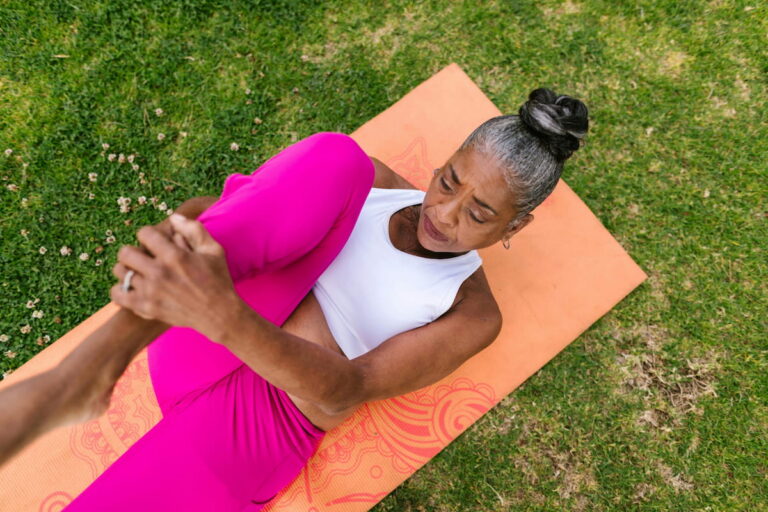
If it seems like your rheumatoid arthritis or RA is aggravated by cold weather, you’re not alone. Researchers have been unable to find a strong link between cold weather and increased arthritis pain. However, they speculate that falling temperatures lead to a drop in barometric pressure. This causes tendons, muscles and tissues to swell, causing pain in joints impacted by arthritis.
But winter’s chill doesn’t mean putting all your plans on ice. Understanding RA helps you take steps to minimize discomfort.
RA is an autoimmune disease, meaning your body’s immune system attacks itself. This causes swelling and inflammation in the affected parts of the body. RA commonly affects multiple joints at once, such as hands, wrists and knees. When joints become inflamed, it results in damage to the joint tissue, causing chronic pain and deformity.
Minimizing RA pain during winter months involves taking steps to protect your joints and avoid triggering inflammation. Here are seven ways to manage RA during the winter.
When the weather is cold, some of the blood flow is redirected from our hands and feet to our critical core organs. As a result, the hands and feet can feel stiff and painful. To preserve your body heat, wear a warm hat, gloves and shoes or boots that keep your feet dry.
To protect your joints from the cold, Arthritis.org recommends wearing lightweight layers. A base layer of silk, polyester or a nylon blend will wick moisture away from the skin. A fleece sweatshirt or wool sweater adds a layer of warmth. Top it off with a warm, windproof jacket. If the jacket doesn’t cover your neck, add a scarf.
Chronic stress leads to muscle tension that can increase arthritis pain. A bigger concern is that persistent stress triggers inflammation in the body. Experiment with stress relief techniques to find the best one for you. Examples are:
RELATED: Five-Day Anti-Inflammatory Diet for Rheumatoid Arthritis
Your diet can play an important role in managing joint pain. A healthy diet helps you lose extra pounds that add stress to your joints. Because arthritis flare-ups are caused by inflammation, add foods with anti-inflammatory properties to your diet. These include:
Drink plenty of water to flush toxins from your body and keep your joints lubricated. A rule of thumb is to drink eight glasses of water a day. Green tea or black tea are also good choices. But avoid soda pop. Sugar contributes to inflammation in the body.
RELATED: Quiz: Living with Rheumatoid Arthritis
Having low levels of vitamin D increases the likelihood of developing RA or experiencing more severe pain. During the fall and winter when you’re not in the sunshine, you’ll get less natural vitamin D, so it helps to take vitamins. The National Institutes of Health (NIH) recommends 600 IU of vitamin D per day for adults aged 19 – 70.
Physical activity is one of the most effective natural ways to ease arthritis pain. Exercise increases strength and flexibility, improves your mood and can reduce pain. The Arthritis Foundation recommends 150 minutes a week in moderate-intensity aerobic activity and two strength-training workouts per week. Try low-impact activities like:
Call your physician if you have symptoms such as persistent swelling, redness or difficulty using joints. Seek immediate care for pain that is severe or disabling.
Cooler weather and common lifestyle changes during the winter months can lead to increased pain from RA. Take the steps above to reduce the impact of cold weather on your RA.


By subscribing, you consent to receive emails from BlackDoctor.com. You may unsubscribe at any time. Privacy Policy & Terms of Service.