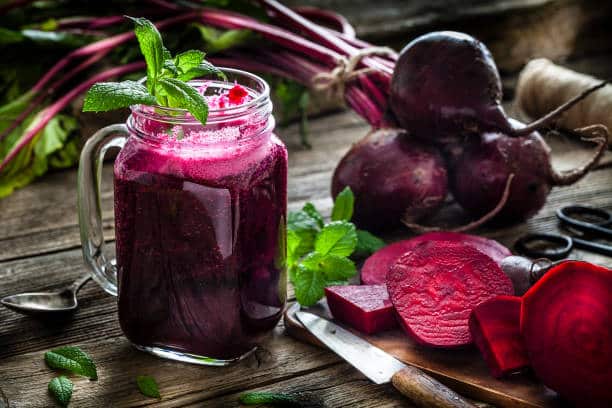
While the reasons aren’t always clear, many people don’t consume beetroot as often as they should. One potential issue they may have is the taste. Since beetroots are red, some expect them to be sweet or fruit-like. Unfortunately, nothing could be further from the truth. Beetroots have an earthy taste that is sometimes compared to dirt. A great way to get around this is to use it in drinks that enhance its taste while still maintaining its wonderful health benefits.
Researchers have studied beetroot extensively for its effects on the heart. Studies have shown that consuming raw beetroot can have a significant impact on maintaining healthy blood pressure. The effect seems to be more pronounced on the systolic than the diastolic pressure. The systolic pressure occurs when your heart contracts, while the diastolic pressure is associated with your heart’s relaxation.
It’s estimated that this effect occurs because beetroots are a good source of nitrates. These nitrates may convert into nitric oxide after consumption. Although nitric acid has various roles in the body, it is known to help your blood vessels widen and relax. This movement is also associated with establishing your blood pressure.
Beetroots contain several plant compounds that have been shown to have a positive impact on health. One of these is called betalains, which have significant antioxidant and anti-inflammatory properties. It’s estimated that these pigments can protect your body from the damage that can be caused by free radicals while also lowering inflammation throughout your body.
In one study, the participants who consumed beetroot juice showed reduced levels of inflammation markers in their systems. In an older study designed to research the effect of beetroot on the inflammation caused by osteoarthritis, people who consumed betalain capsules experienced lower pain and swelling.
Additionally, studies show that lower inflammation in the body reduces your risk of developing certain chronic diseases such as heart disease, diabetes, liver disease, and cancer.
Interestingly, the nitrates in beetroots aren’t just good for your blood pressure. Multiple studies have shown that consuming beetroots can improve the blood flow in your body and, by extension, boost the amount of oxygen and nutrients that get to your muscles when you’re being active. That boost can mean that you have better endurance.
In fact, one study showed that consuming beetroots two or three hours before physical activities like cycling improved oxygen use by up to 20 percent and the participants’ overall performance. If you have an intensive routine planned for several days, it may also be beneficial to incorporate beetroots into your diet during the same period.
Apart from lowering your blood pressure, beetroots can also make your heart healthier. They contain an amino acid known as betaine, which has been shown to lower levels of homocysteine. Homocysteine is another amino acid, and it’s typically used to make proteins. However, if your levels of homocysteine are too high, it can lead to an increased risk of having a stroke or developing heart disease.
Additional research has also shown that drinking beetroot juice can improve your triglyceride and cholesterol levels. These two components are essential markers of heart health.
Though more research needs to be done, the betaine in beetroots may also be beneficial to people with non-alcoholic fatty liver disease (NAFLD) or those who are at risk of developing the disease. In one study, people who drank beetroot juice every day for 12 weeks showed notable improvement in their liver health. Researchers suggest that this change could be attributed to the way in which betaine prevents the buildup of fat in the body.
It should also be noted that those who saw the best results made changes to their diet as well.
This is another health benefit that continues to be studied, but the results so far have been encouraging. Studies in which participants consume beetroot juice regularly have consistently shown that they experience better brain function. For example, one study included 75-year-olds, and after drinking beetroot juice daily for a few weeks, they had better blood flow to the areas in their brains that were linked to cognitive thinking, decision making, and memory.
In another study, the participants who had type 2 diabetes consumed beetroot juice daily for two weeks. After the two weeks, those who drank the juice had a four percent faster reaction time in cognitive tests than those who were in the control group.
Researchers suggest that the boost in brain power may be associated with improved blood flow to specific areas of the brain that may be more easily affected by dementia.
RELATED: Top Reasons To Include Beets In Your Diet
While you can certainly buy 100% beetroot juice without added sugar at the store, it can be better to make your own. You have control of the taste and can incorporate different ingredients that have added health benefits. Here are a few recipes you might enjoy.

Servings: 2
Ingredients
Method:
Servings: 2
Ingredients
Method:
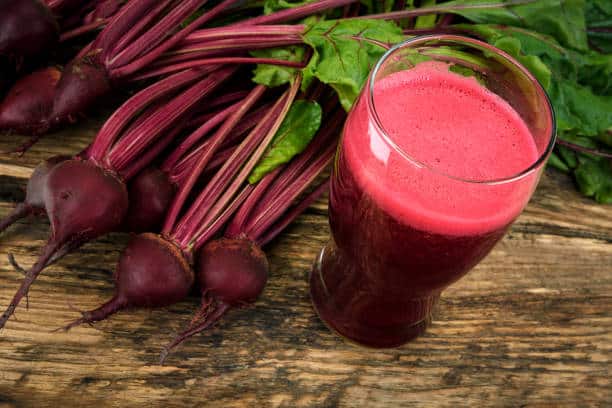
Servings: 2
Ingredients
Method:
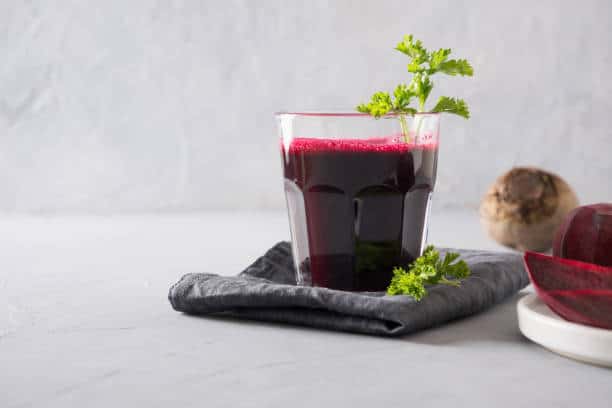
Servings: 1
Ingredients
Method:
Servings:1
Ingredients
Method:
Beetroots continue to be an underrated vegetable, and some people shy away from including them in their diets. If you’re one of them, you may be missing out on some fantastic health benefits. With these recipes, you can make great-tasting beetroot juice that you’ll have no trouble consuming. If you have any concerns, consult your doctor before changing your diet.


By subscribing, you consent to receive emails from BlackDoctor.com. You may unsubscribe at any time. Privacy Policy & Terms of Service.