We’ve all heard of HIV, or Human Immunodeficiency Virus. But did you know, despite the general awareness among the public, there are still many misconceptions? In fact, the average person may still struggle to realize how (and how not) this virus is actually spread.
This is especially relevant to the Black community, where 1 in 7 people with the virus don’t even know they have it! Given that Black folks represented over 40 percent of new HIV diagnoses in the U.S. in 2020, it’s time to get informed.
So let’s break down the facts from the fiction.
Not sure how HIV is spread? Think you might be at risk? Don’t know if a certain ‘vector’ for transmission is something to worry about?
Before we get into what doesn’t cause HIV, here’s what does. HIV is a retrovirus that can be transmitted through certain bodily fluids or behaviors:
Bodily fluids
HIV can be transmitted through sharing blood, semen, pre-seminal fluid, vaginal fluids, rectal fluids, or breast milk.
Behaviors
HIV can be transmitted through vaginal or anal sex without a condom, sharing needles, or unsafe injections. It can also be transmitted through unsafe blood transfusions or tissue transplantation.
Pregnancy
HIV can be transmitted from a birthing parent to their child during pregnancy, childbirth, or breastfeeding. This is called perinatal transmission.
Other behaviors
HIV can also be transmitted through medical procedures that involve unsterile cutting or piercing, or accidental needle stick injuries.
Now, here are six false causes of HIV that may have you tripped up…
Even to this day, people sometimes think that HIV just might get transmitted through casual contact. This includes things like hugging, shaking hands, or sharing utensils. The good news is, this is impossible. Fortunately, HIV cannot survive outside the human body for long. Skin-to-skin contact cannot spread it.
Rather, if you’re worried about spread, keep an eye on things like body fluids. This can range from blood to semen, breast milk, and other fluids. Because making casual contact with somebody does not spread these fluids, you’re at no risk.
It’s a good idea to let people know this, and if need be, attend education campaigns to make this known.
Don’t like mosquitoes or ticks? Don’t worry, they cannot transmit HIV. Take mosquitoes for instance. First off, insects’ bodies do not allow HIV to survive. Secondly, when a mosquito does bite you, it’s not giving you blood, so even if it did carry HIV, it wouldn’t be giving you the fluids that transmit the virus.
It’s important to dispel this common myth, as too many people today still believe some insects may spread the virus.
Kissing or sharing drinks alone will not transmit HIV. While it is present in the saliva of those infected, the amounts are too low to cause infection. Moreover, your saliva is good at breaking down the virus, rendering it unable to do anything.
So next time you’re worried a little smooch or sharing of the same glass or utensil is going to get you infected, relax. You have nothing to worry about.
RELATED: Can You Get HIV from Your Nail Salon?
Can HIV spread through water in swimming pools and hot tubs?
No, thankfully never. See, HIV has a tough time lasting in water, especially when there are chemicals like chlorine that kill the virus immediately. Again, the virus has trouble surviving outside the body in general. It quickly becomes inactive, making it no risk to people in hot tubs and swimming pools.
So next time you hop in a Jacuzzi or take a dip in that community pool, don’t fret. Whether people around you have the virus or not – it doesn’t make a difference. You can rest assured knowing you won’t be contracting it.
Unlike the flu or common colds, HIV does not spread through respiratory droplets. That’s because it’s not an airborne virus. Whether you’re coughing or sneezing, there is not enough of the virus in such droplets to cause any infection.
Because HIV needs access to your blood and mucous membranes to spread, coughing and sneezing will not transmit it.
This is a common misconception and one that can cause a lot of people to get uneasy when somebody nearby sounds sick. Even if a person who is infected is hacking and sneezing up a storm right next to you, you’ll be fine.
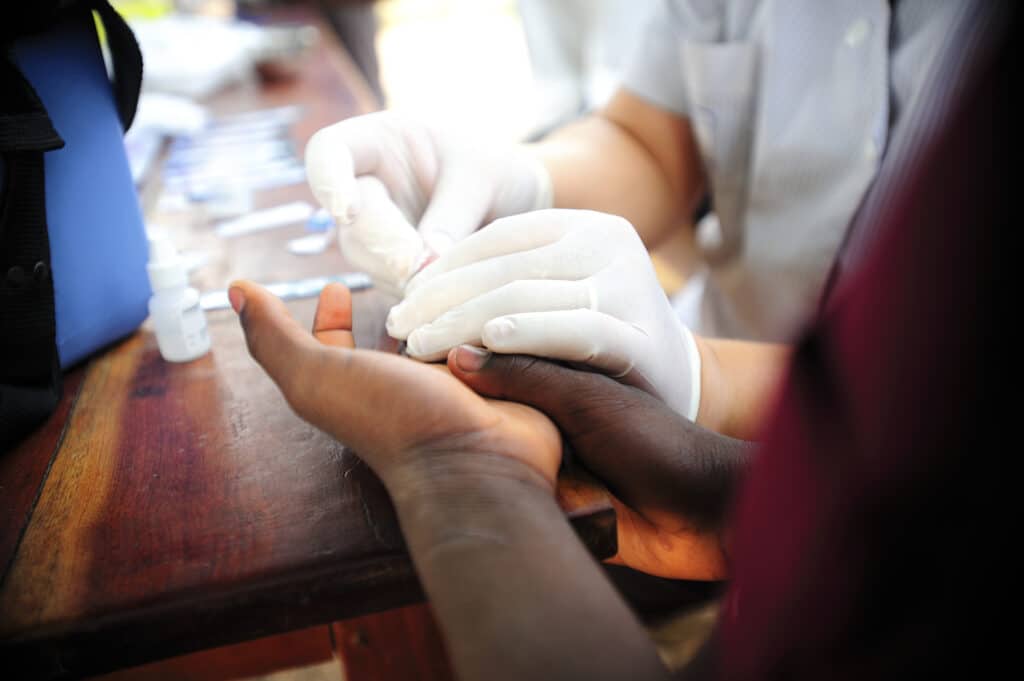
Worried that next time you use a public toilet, hit the shower, or share gym equipment you might be exposed to HIV? Well, take a breather. As you know well by now, HIV will not survive long outside the human body.
While you may worry about public places and germs, for HIV, they pose no risk. Because you need a direct exchange of bodily fluids, simply using shared facilities will not trigger exposure.
Overall, there’s a lotta misinformation about HIV transmission. While stigma and discrimination around the virus and disease still exist, we’re making headway. By telling the truth, correcting misconceptions, and spreading awareness, we can overcome these false beliefs one at a time.
There are 3 simple strategies people can use to prevent HIV:


By subscribing, you consent to receive emails from BlackDoctor.com. You may unsubscribe at any time. Privacy Policy & Terms of Service.