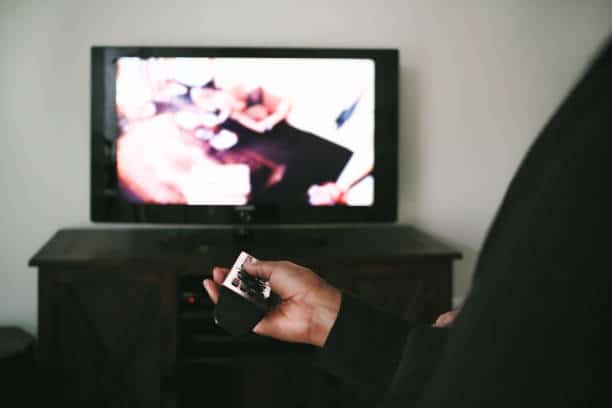
When it comes to entertainment, television has been around for decades. The first electronic television was produced in 1927 and has been tweaked to make the enjoyment of watching shows, broadcast or even listening to music better every year. But did you know that television screens can actually be harmful? Yes, something made to entertain and to help share information to the masses, can be harmful to consume for long periods of time. How? By the actual screen itself. Staring at a television screen for hours and hours can be damaging to the eyes. Fortunately, as time continues to move so does technology and with the world’s innovative technology today, there’s no surprise that healthier TV screens have been created so people can still enjoy TV without the damage it may cost.
Do you remember when you were younger and your parents or guardians would tell you to step back from the TV because you were too close for their comfort when watching it?
Well, they had concerns about how being so close to the screen would affect you, and their concerns were valid. Back then, TVs emitted an excessive amount of radiation and though they were recalled and fixed, many adults still go by that stigma.
Today, televisions do not emit the same radiation as they did in the past, but they can cause harm to your eyes. When staring at the screen for too long, your eyes tend to strain and become fatigued.
Staring at a digital screen too long can also cause blurred vision, headaches, double vision and lack of focus. Televisions also, especially the newer ones produced today, emit lots of blue light.
RELATED: Is Reality TV Hurting Your Weight Loss Goals?
When looking to purchase a new television, there are so many brands and specific types according to size, color and display to choose from, but what’s important to look for when inquiring is how the LED backlight of the television is.
There are four types of digital displays that televisions may have: LED, QLED, OLED and 4k.
The best out of these two are QLED and OLED. These two are significantly better because they emit less blue light (which causes harm to the eyes). QLED digital displays are quantum dot light-emitting diodes. Though they’re very similar to regular LED televisions, they are slightly different. QLED televisions have slightly better display screens and depending on the company, they’re healthier for the eyes to consume. OLED, known as organic light-emitting diode, does exactly what it’s named to do. It takes LED light molecules and emits organic light from them. It is the newest form of technology to be created for digital displays.
When looking at whether or not to invest in these new types of eyesafe technologies, OLED television is the best to go with. OLED TVs are designed to create sleep and comfort for the eyes along with their low emitting blue light. Now that can be a selling point when making your purchase, but here’s one important fact to always remember.
Though QLED and OLED screens can be better for your eyes because they emit less blue light, they’re still digital screens and staring at any digital screen for too long is damaging and can cause some side effects. Though they are better when it comes to graphics and displays when watching television, they’re not going to be the cure for digital eye strain but they can aid in helping it.
In order to reduce eye strain, and the problems you may suffer from when watching TV, you can change your settings on your television like lowering your brightness, changing the lighting in the room when watching tv and making sure there is a good amount of distance between you and the TV (about 6-8 feet) on top of using a television with QLED or OLED. Yes, these digital displays might be better but there’s still work on your part that you need to do.
RELATED: Black families use TV as self care after a tough year
Certain brands have created TV screens with the two safer LED lights that we’ve discussed. Here are 5 of the best types of televisions on the market that consist of QLED or OLED:
The prices for these televisions vary depending on size, type and where you purchase them from. Companies such as P.C Richards & Son, Bestbuy, Target, Costco, Sam’s Club and more are great places to purchase what you may be interested in.
If you are interested in helping your eye health with how you consume television, make sure to do your own research on what are the best options for your health and your wants. TV is entertaining, but without looking out for your eye health, it may start to become harder to enjoy it.


By subscribing, you consent to receive emails from BlackDoctor.com. You may unsubscribe at any time. Privacy Policy & Terms of Service.