Living with any type of disease can be extremely challenging for the person going through it and living with lupus is no different. According to the Bruskin-Goldring survey, an estimated 1.5 million Americans live with lupus and five million people in the world overall. This rare illness can’t be that rare with these types of statistics, right? It’s easy to see it that way but this is still a rare, multisystemic, genetic autoimmune disease that disrupts many people’s lives, but with research and education, it doesn’t have to.
There are 4 different types of lupus, systemic, cutaneous, drug-induced and neonatal.
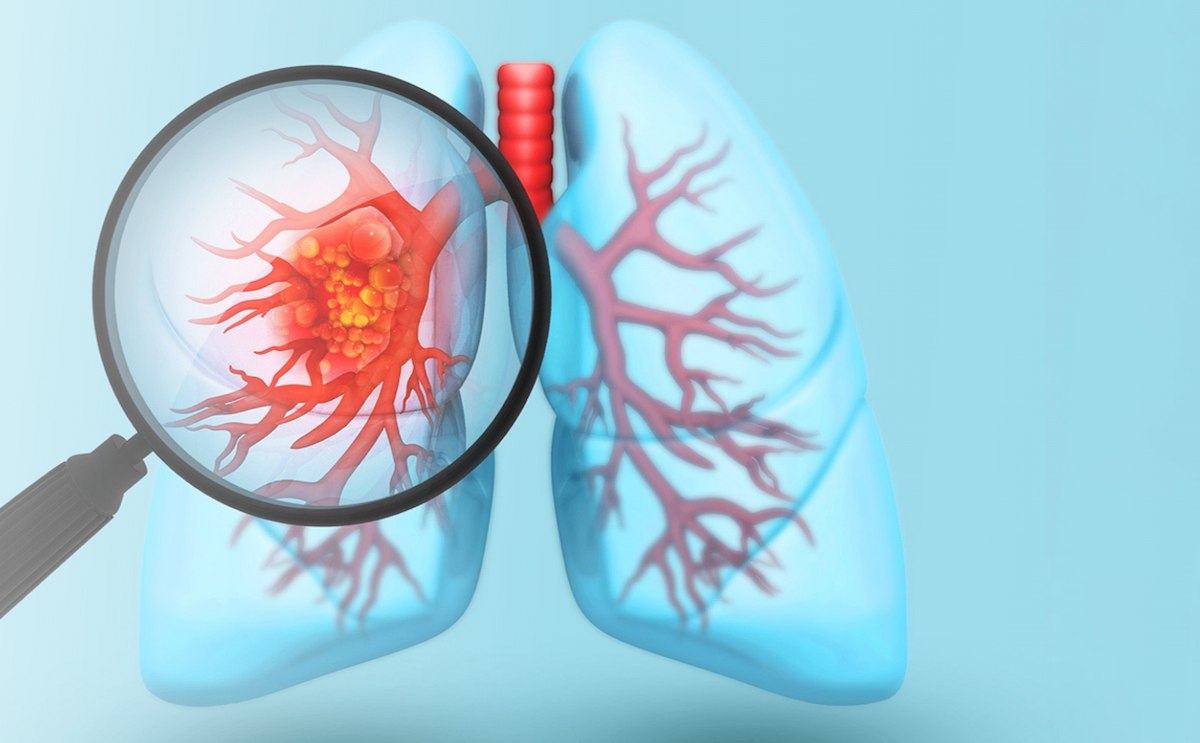
Systemic lupus is where most of the world’s lupus cases fall under. An estimated 70 percent of lupus cases are systemic. Systemic lupus is when the immune system attacks its own healthy tissue causing inflammation and damaging the body’s tissue in the process. A person’s heart, lung, brain and or kidneys will mostly be affected by systemic lupus.
Cutaneous lupus makes up an estimated 10% of lupus cases. This type of lupus is when the immune system attacks one’s skin causing rashes or sores. The areas that are most affected by this skin disease are the ones more exposed to sunlight, for example, arms, face, neck and legs.
Drug-induced lupus is lupus that comes when one is exposed to systemic lupus through drugs (usually prescribed medicine). Medicines like Hydralazine for high blood pressure and Procainamide for irregular heartbeats can expose one to drug-induced lupus. Similar to the symptoms of systemic lupus, drug-induced lupus systems are usually muscle and joint pain, flu-like fevers and fatigue and inflammation around the lungs or heart (serotosis).
Neonatal lupus is lupus that is not actually lupus. It’s more so a rare condition when certain antibodies from the mother affect a baby at birth. A lot of the symptoms that come with it such as skin rashes or low blood cell counts usually disappear once the child hits 6 months. A major concerning symptom of this condition is congenital heart block, which slows down the heartbeat of a baby. Though rare, newborns whose mothers have lupus are more subjected to congenital heart block.
RELATED: 5 Tips For Staying Healthy With Lupus
Research shows that women are more subjected to being diagnosed with lupus. It is even more common to find in women of color, specifically Black women where lupus is more likely to affect their organ system. Minority women are usually diagnosed with lupus at younger ages and suffer higher mortality rates than white women. Men who are diagnosed with lupus usually have drug-induced lupus. This is because certain drugs that are mostly given to men are exposed to systemic lupus symptoms (ie. Hydralazine).
RELATED: 5 Items You Need In Your Lupus Flare Up Kit
Unfortunately, people with lupus are prone to flare-ups and though there are recommended and prescribed medications out there to help a flare-up, there are also different natural remedies that can be of assistance as well.
1. An Epsom Salt Bath– with flare-ups comes fatigue and a great way to help get rid of that fatigue is to soak in Epsom salt during a bath. The salt helps remove toxins in your body by strengthening your magnesium absorption. Epsom salt baths also help with reducing joint pain and inflammation.
2. Use Essential Oils– there are certain essential oils specifically to help with lupus, for example, frankincense oil which aids in the reduction of immune reactions that come with lupus. Add a few drops to your water daily. Helichrysum oil helps support the nervous system while also aiding in joint pain relief and helping skin conditions. Take one to two drops orally or rub them on your neck.
3. Turmeric Milk– turmeric is an anti-inflammatory ingredient that is great for people who suffer from lupus. Add one teaspoon of turmeric to warm milk to help your flare-up.
4. Drink Ginger Tea– drinking a few cups of ginger tea can help with joint pain. Ginger is also an anti-inflammatory ingredient as well as an antioxidant that helps reduce pain and swelling.
5. Drink Apple Cider Vinegar– add a teaspoon of raw apple cider vinegar to a glass of water and drink it three times a day before each meal. Apple cider vinegar detoxifies the body and enhances your nutrient absorption.
RELATED: Living With Lupus: 9 Ways To Enhance Your Life
Unfortunately, lupus flare-ups are inevitable and can always be an outcome, but there are steps to take to help prevent extreme flare-ups. Incorporate more roots into your diet such as turmeric and ginger. These are anti-inflammatory nutrients that are very helpful with inflammation. Reducing your stress levels is also a good way to help prevent flare-ups. Stress is a huge indicator of a flare-up.
Being more aware of the foods you consume can reduce flare-ups as well. Gut health is extremely important to be mindful of for everyone including people dealing with diseases such as lupus. Overall these suggestions not only help you lead a healthier lifestyle, but a more comfortable one as well.


By subscribing, you consent to receive emails from BlackDoctor.com. You may unsubscribe at any time. Privacy Policy & Terms of Service.