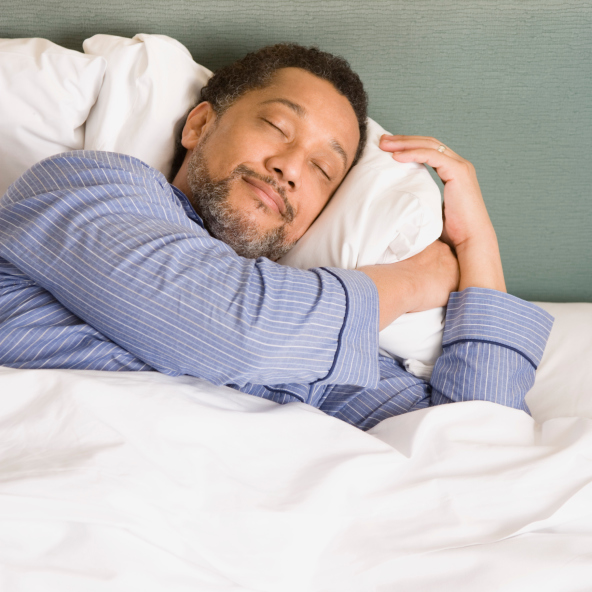
Undiagnosed sleep disorders, including sleep apnea, are common among older U.S. adults, especially among certain minority groups, a new study finds.
The researchers — who looked at 2,230 men and women aged 54 to 93 — say troubled sleep may play a role in health disparities in America.
Black, Chinese and Hispanic Americans were more likely than whites to have sleep problems, including nighttime breathing disruptions characteristic of sleep apnea, the study found.
“As sleep apnea has been implicated as a risk factor for cardiovascular disease, stroke, diabetes and mortality, our findings highlight the need to consider undiagnosed sleep apnea in middle-aged and older adults, with potential value in developing strategies to screen and improve recognition in groups such as in Chinese and Hispanic populations,” the study’s senior author, Dr. Susan Redline, said in a news release from the American Academy of Sleep Medicine. Redline is a professor of medicine at Harvard Medical School in Boston.
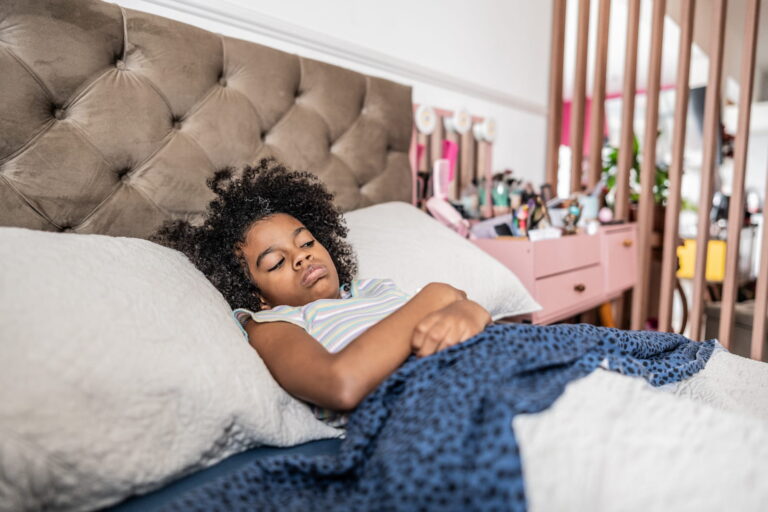
Participants were evaluated for sleep issues such as sleep apnea, poor sleep, snoring, daytime sleepiness and insomnia, which is trouble falling asleep and staying asleep.
Data gathered over three years revealed that about one-third had moderate or severe sleep-disordered breathing. Thirty-one percent got too little sleep (fewer than six hours a night), while nearly one-quarter suffered from insomnia, and 14 percent had excessive daytime sleepiness.
Yet, despite the prevalence of sleep issues, fewer than one in 10 participants was formally diagnosed with sleep apnea, the findings showed.
After taking other factors into consideration, such as gender and age, the study showed that black people were most likely to sleep less than six hours each night. They were also more likely than white people to have sleep apnea, poor sleep quality and daytime sleepiness, the study published in the June issue of Sleep found.
Meanwhile, Hispanics and Chinese Americans were more likely than whites to have breathing problems at night and get too little sleep. However, Chinese study participants were the least likely to have insomnia, according to the report.
“Our findings underscore the very high prevalence of undiagnosed sleep disturbances in middle-aged and older adults, and identify racial/ethnic disparities that include differences in short sleep duration, sleep apnea and daytime sleepiness,” the study’s lead author, Dr. Xiaoli Chen, a research fellow at Harvard’s School of Public Health, said in the news release.
Copyright HealthDay News June 2015


By subscribing, you consent to receive emails from BlackDoctor.com. You may unsubscribe at any time. Privacy Policy & Terms of Service.