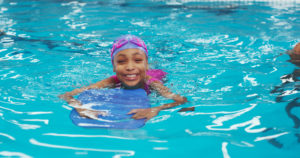
Back in 2008, a heartbreaking story about little Johnny Jackson, a 10-year-old South Carolina boy, made headlines after he died more than an hour after leaving a community pool.
“I’ve never known a child could walk around, talk, speak and their lungs be filled with water,” Johnny’s mother, Cassandra Jackson, told NBC News at the time of his death.
Cassandra Jackson wasn’t alone. Many parents didn’t – and still don’t – know. His tragic death, although technically a case of delayed or “secondary drowning, ” brought attention to a little known phenomenon called dry drowning, and with the official start of summer, it’s critical even more now for parents, guardians and teachers to know about this alarming and seemingly silent occurrence.
Drowning is the second leading cause of accidental deaths in children ages 1 to 14, according to the CDC. In the U.S., nearly 400 pool and spa drownings happen every year.
There are two types of drownings that can happen long after leaving the water: secondary and dry. Adults are at risk, too, but children are more susceptible.
With secondary (delayed) drowning, water gets into the lungs, usually as they are avoiding an actual drowning episode. Think of a child who falls or jumps into a pool or bathtub with their mouth open and while struggling to inhale the water. The child goes on to play and everything seems fine, but the water in the lungs can cause swelling and prevent oxygen from getting into the bloodstream.
Dry drowning is similar, except that water doesn’t enter the lungs. Instead, delayed drowning happens when the airway suddenly closes (to prevent the water from getting to the lungs), known as laryngospasm. But, not only does this stop water from getting through but air also.
The child dies of asphyxiation.
Symptoms can present themselves as late as 24 hours after leaving the water.
Dr. Daniel Rauch, a pediatrician from New York University Langone Medical Center, explained to the TODAY show that many warning signs are overlooked or misinterpreted because parents don’t know what to look for.
“It can take a while for the process to occur and to set in and cause difficulties,” Rauch said. “Because it is a long process, difficulty breathing is the first sign that you would be worried about.”
Other symptoms include:
If you notice any of these signs after your child has been around any form of water, get them to a doctor.
Drowning under any circumstance is scary and something every parent wants to avoid.
Some things to keep in mind to help prevent dry or any type of drowning are:


By subscribing, you consent to receive emails from BlackDoctor.com. You may unsubscribe at any time. Privacy Policy & Terms of Service.