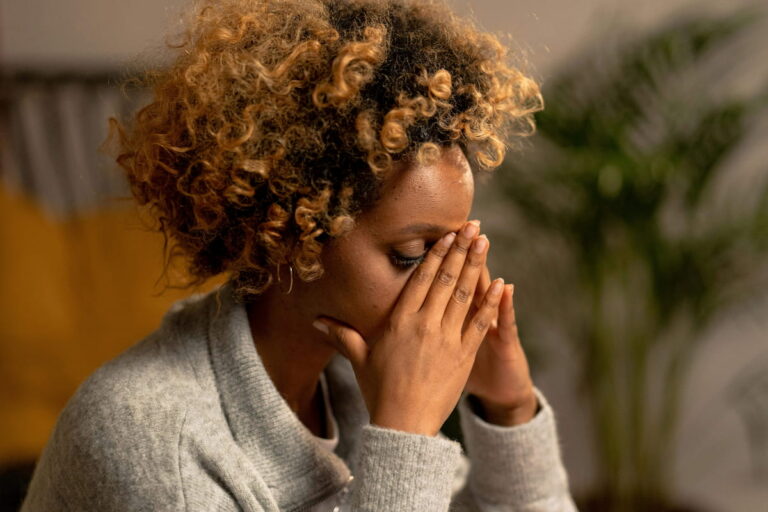
Being diagnosed with alopecia areata (this incurable, sometimes lifelong form of hair loss) can bring about significant emotional aspects to consider.
It’s imperative to recognize that grieving over hair loss is a natural response.
Most people who suffer from alopecia areata (AA) come face-to-face with ongoing stress, anxiety, and other concerns associated with mental health. The way we look plays a role in our attempts to have a positive self-image. Therefore, it only makes sense for hair loss to affect your confidence and self-esteem.
Discover four ways to get over those hair loss insecurities when navigating this autoimmune condition that’s tough to predict.
RELATED: Too Much Stress May Be Leading to Hair Loss
While stress may not be a direct outcome of alopecia areata, it could be thought of as a trigger, as those who have gone through symptoms have also had high amounts of stress.
Stress can take place no matter what age you are. Young children who get AA get triggered by life-changing circumstances — a brand new school, a bully, a sibling at home, or their parents’ divorce. Adults also develop it because of stressors — positive or negative.
With AA, decreasing stress could also possibly help you regulate hair loss and regrowth cycles. To help regulate stress while dealing with alopecia areata, BlackDoctor.Org highly suggests the following methods:
Besides using headwear for its original purpose of protecting bare skin from hot and cold climates, your doctor might advise you to get experimental and creative with how you accessorize. This can support your journey of building self-confidence. Trending options include wigs, hats, and scarves.
If you’re looking to spice up your wardrobe and accessories, think about checking out the National Alopecia Areata Foundation’s Marketplace. On top of headwear and soft headscarves, you can also find hairpieces, a range of quality wigs with prices that vary, and eyelashes.
Alopecia areata is deemed a common autoimmune condition, so it’s worth remembering you’re never alone. Nevertheless, it’s easy to feel isolated if you don’t know anyone else in your life struggling with AA. This is where support groups can help you handle the psychological effects AA may provoke.
“Support groups provide a safe space for those coping with alopecia areata,” explains Sehat. “It allows people to meet others who are going through the same challenges as them. What’s more is that these groups are an excellent way to help people rebuild their self-image, embrace who they are, and become confident in their own skin.”
In addition to accessories, the National Alopecia Areata Foundation was the No. 1 recommended online resource overall by the experts we spoke with. You can find resources for support groups on their website.
The National Alopecia Areata Foundation is also a wonderful resource for anybody in need of therapy to deal with their condition. The foundation has all kinds of support groups and also offers online assistance with peer mentors and phone support. It has several other resources to raise awareness of alopecia while helping you find the right therapist for you.
RELATED: How to Handle the Drastic Changes of Hair Loss
Counselors are great if you are seeking support, a safe setting, and tips for how to navigate stress.
If you’re having a hard time coping with anxiety or depression from alopecia areata, it might be in your best interest to look into one-on-one support from a professional counselor or therapist. The techniques may differ between disciplines, along with your needs, but a therapist can help you heal from your battles while also helping you develop methods to cope.
The intention is to treat the root of the problem. With that, in this scenario, you want to target and take care of the anxiety and stress that is leading to the hair loss. Additionally, if you want to get closer to identifying the root cause, try to address where the anxiety stems from.


By subscribing, you consent to receive emails from BlackDoctor.com. You may unsubscribe at any time. Privacy Policy & Terms of Service.