A new global study is sounding the alarm on something most of us use every day without a second thought: plastic. From food containers to shampoo bottles, the synthetic chemicals hiding in these products, specifically a group called phthalates, may be far more dangerous than previously understood. In fact, research published in the journal eBiomedicine has found that exposure to one phthalate, Di(2-ethylhexyl)phthalate (DEHP), may have contributed to over 350,000 deaths in 2018 alone due to cardiovascular disease among adults aged 55 to 64.
The study, led by researchers at New York University’s Grossman School of Medicine, points to a disturbing conclusion: the plastics we interact with daily could be quietly damaging our hearts—and in some cases, shortening our lives.
Phthalates (pronounced thal-ates) are chemical compounds used to make plastics more durable and flexible. You’ll find them in everything from vinyl flooring, medical tubing, and children’s toys to food packaging, shampoo, perfume, and even makeup. Because they’re not chemically bound to the plastic, phthalates can leach out over time, especially when exposed to heat or friction.
That means microwaving your leftovers in a plastic container or storing hot food in plastic wrap could introduce trace amounts of these chemicals into your body. It may seem insignificant, but over time, the effects can accumulate and become dangerous.
DEHP and other phthalates are classified as endocrine-disrupting chemicals. This means they interfere with hormone systems in the body, and their effects can be widespread.
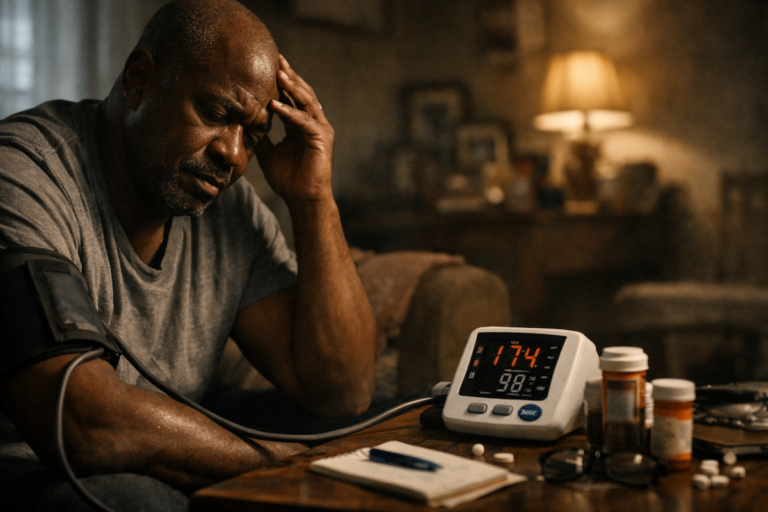
According to Dr. Leonardo Trasande, senior author of the new study, phthalates can trigger inflammation in the coronary arteries. This inflammation can accelerate existing heart disease and increase the likelihood of fatal events like heart attacks.
Phthalates are also known to disrupt testosterone levels. In men, lower testosterone is a known risk factor for heart disease. Previous research has tied phthalates to a range of health issues, including:
Reduced sperm count and infertility
Asthma and childhood obesity
Birth defects in baby boys
Hormone-related cancers
And now, with cardiovascular mortality added to the list, the evidence against these ubiquitous chemicals is stacking up.
RELATED: Your Take-Out Coffee Cup May Shed Trillions of Plastic ‘Nanoparticles’
The NYU-led study analyzed urine samples from global population surveys to estimate DEHP exposure, then cross-referenced those data with cardiovascular mortality statistics. The findings are staggering: in 2018, exposure to DEHP may have contributed to more than 356,000 deaths worldwide in adults aged 55–64.
The breakdown of the death toll by region reveals significant disparities. Africa accounted for 30 percent of the deaths, with East Asia and the Middle East close behind at 25 percent. These numbers raise critical questions about environmental justice and healthcare access. Lower-income regions may experience greater exposure to plastic pollution while having less access to preventive care or heart disease treatment.
Still, the study has its limitations. The researchers used hazard ratios based on U.S. data to estimate death rates in other countries, which could skew the findings. Exposure levels, diet, healthcare access, and even genetic susceptibility can vary widely from country to country. But despite these caveats, the central message is clear: DEHP is a public health threat that cannot be ignored.
This isn’t the first time DEHP has been linked to serious health outcomes. Earlier studies by Trasande’s team have shown that high levels of phthalates in urine samples are associated with a greater risk of early death, especially from heart disease. One such study estimated that 91,000 to 107,000 premature deaths occur each year in the U.S. due to phthalate exposure among people aged 55–64. That’s not just a health issue—it’s an economic one too. Researchers estimated a financial cost of up to $47 billion annually in lost productivity.
Even when researchers adjusted for lifestyle factors like diet, exercise, and pre-existing medical conditions, the link between phthalate exposure and mortality held strong.

The good news? You can reduce your exposure to phthalates with some straightforward lifestyle changes. Here’s what experts recommend:
Avoid plastic food containers, especially for heating or storing hot foods. Use glass, stainless steel, or ceramic instead.
Never microwave plastic, even if it says “microwave-safe.” Heat increases the likelihood of chemical leaching.
Avoid scented personal care products, including perfumes, shampoos, lotions, and detergents. Fragrance often contains phthalates.
Read product labels. Avoid plastics labeled with recycling codes 3 (PVC), 6 (polystyrene), and 7 (miscellaneous), which are more likely to contain phthalates.
Choose fresh or frozen foods over canned or heavily processed options.
Wash your hands frequently, especially before eating.
Skip air fresheners and synthetic fragrances in cleaning products.
Despite growing evidence of the dangers associated with phthalates, the plastic and chemical industries have resisted stricter regulations. The American Chemistry Council, which represents chemical manufacturers, declined to comment on the new study but emphasized the benefits of high phthalates like DINP and DIDP.
Meanwhile, California’s Proposition 65 already lists DEHP as a chemical known to cause cancer, birth defects, or other reproductive harm. Warning labels are required on products containing DEHP sold in the state, but national policy remains inconsistent.
RELATED: Enjoy Fast Food? You May be Consuming Plastic
This study adds to a growing body of research showing that our reliance on plastic comes at a significant cost—not just to the environment, but to our own health. DEHP and other phthalates are embedded in the fabric of modern life, but their health impacts are far from benign. Reducing exposure won’t be easy, but it’s necessary.
You can take steps today to protect yourself and your family. But real change will require stronger regulation, greater corporate responsibility, and continued public awareness. The hidden cost of plastic is no longer something we can afford to ignore.


By subscribing, you consent to receive emails from BlackDoctor.com. You may unsubscribe at any time. Privacy Policy & Terms of Service.