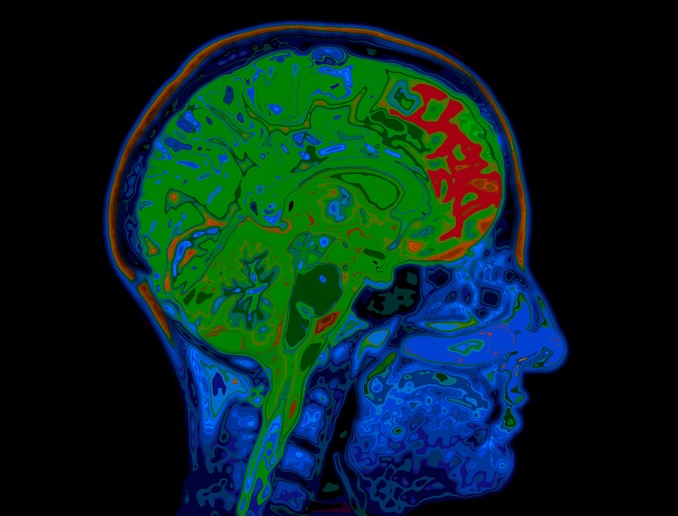
Even though you can breathe normally, your brain may not be getting enough oxygen. Lack of oxygen in the brain is not something the average person can recognize. However it can cause poor brain function and increase the risk of vascular dementia, the second most common form of dementia after Alzheimer’s. The brain can be hungry for oxygen years or decades before dementia sets in. Risk factors include high or low blood pressure, heart disease, diabetes, smoking, alcoholism, and high cholesterol.
In fact:
– The brain uses about three times as much oxygen as muscles in the body do.
– Brain cells are very sensitive to decreases in oxygen levels and don’t survive or function well very long without it.
– The brain is made up of very special cells called neurons, and each of them can do the job of any of the other neurons in the brain. That process gives us the ability to relearn most functions using different parts of the brain. So if we have an injury or a sick part of our brain, we can teach our brain to restructure and control body parts and function with other areas of the brain. That is called brain plasticity.
CHECK THIS OUT: 5 Breathing Exercises You Should Try Out Today
Featured on BlackDoctor
You would think that deeper breaths mean more oxygen in your lungs and more oxygen to your brain. Well, that’s not necessarily true.
When we breathe heavier or deeper (more than the norm), we remove too much carbon dioxide (CO2) from all cells of the human organism. This causes reduced blood flow to the brain. CO2 deficiency causes constriction of blood vessels (arteries and arterioles) and our brains get less blood supply.
So instead of breathing big breaths to get more oxygen to your brain, here are three ways to do it:
1. Take short walks throughout the day. It’s not necessary to commit to a lengthy exercise session to reap the benefits of walking. Taking short walks will also help increase the blood flow to your brain. Even a walk of three to five minutes will have a positive effect on your blood’s circulation.
Use a timer throughout your day to remind yourself to take walking breaks. If you work at a desk, schedule short walks.
Take advantage of naturally occurring opportunities to walk. Take the stairs instead of the elevator. Park at a distance from your destination. Get off the bus or train before your exit, and walk the remainder of the route.
2. Breathe through your nose. Engage your diaphragm, in your abdominal area. This is also called “belly breathing.” Breathing deeply moves the air and oxygen down into the lower areas of the lungs where most of the circulation of blood is.
Air entering through the nose enters the sinus cavities, oral cavities, and…
… the upper part of the lungs. Breathing through the mouth will lessen the exposure to freshly oxygenated air.
Breathing with the diaphragm results in more oxygen entering this blood.
READ THIS: Tips For Coping With Late-Stage Lung Cancer
3. Stand Up. Stand up on both feet or just one foot. A study published by the Oxford University Press journal “Brain,” reports that standing up activates cerebral circulation. The study found that standing with both feet together enhanced circulation in the anterior lobe and the right visual cortex in the brain. Standing on one foot increased circulation in the cerebellar anterior vermis and posterior lobe lateral cortex ipsilateral portions of the brain. Standing in tandem increased circulation in the visual association cortex, midbrain, aneterior and posterior vermis parts of the brain.


By subscribing, you consent to receive emails from BlackDoctor.com. You may unsubscribe at any time. Privacy Policy & Terms of Service.