I know what you’re thinking when you read the title, “I thought all vegetables were good for you?” Well, that used to be the case for just about everything grown out of the ground, but now with man’s growing demand for food, the industry has created unhealthy options for vegetables.
So we’ve gathered our top three veggies to stay away from.
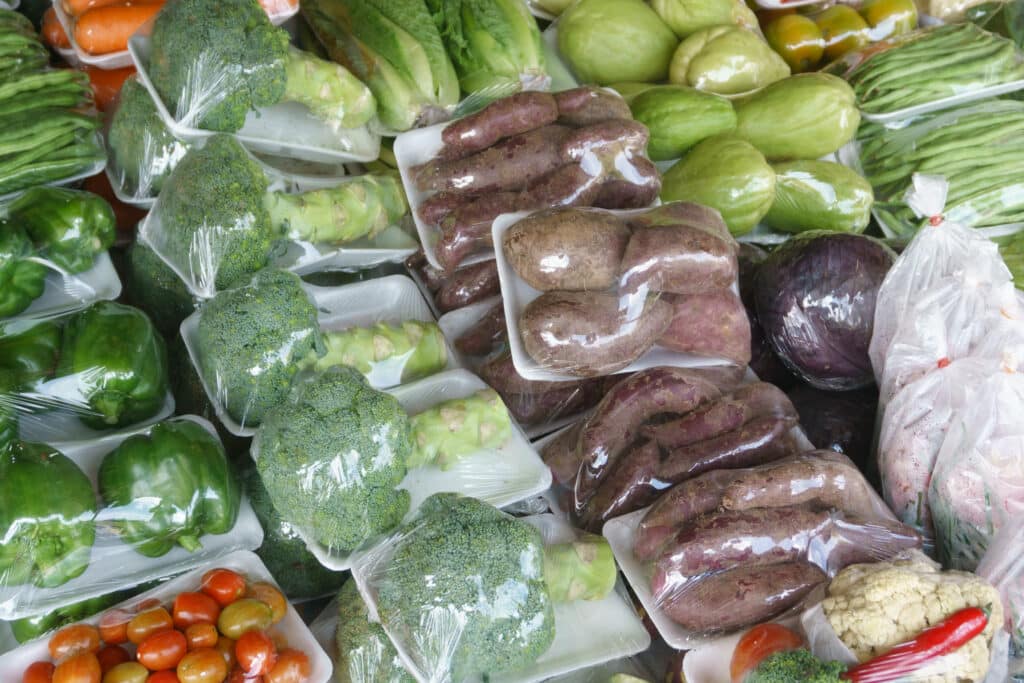
Pre-cut fruit and veggies are obviously still fruit and veggies, which means they’re a more nutritious choice than, say, a candy bar, but if you’re looking for the most bang for your buck in the vitamin department, the prepared stuff isn’t where you should turn.
Former grocery store dietitian Caroline West Passerrello told Men’s Health, “Cutting fruits or vegetables exposes them to oxygen and light, and sometimes heat, all of which affect vitamin retention in food.” She explained that because cut produce loses water faster, it means that water soluble vitamins like B and C will also evaporate faster.
We’re not just talking about pre-cut melon and butternut squash, either. Produce that might get peeled unnecessarily, like carrots, cucumber, or potatoes, lose the nutrients contained in their outer layers.
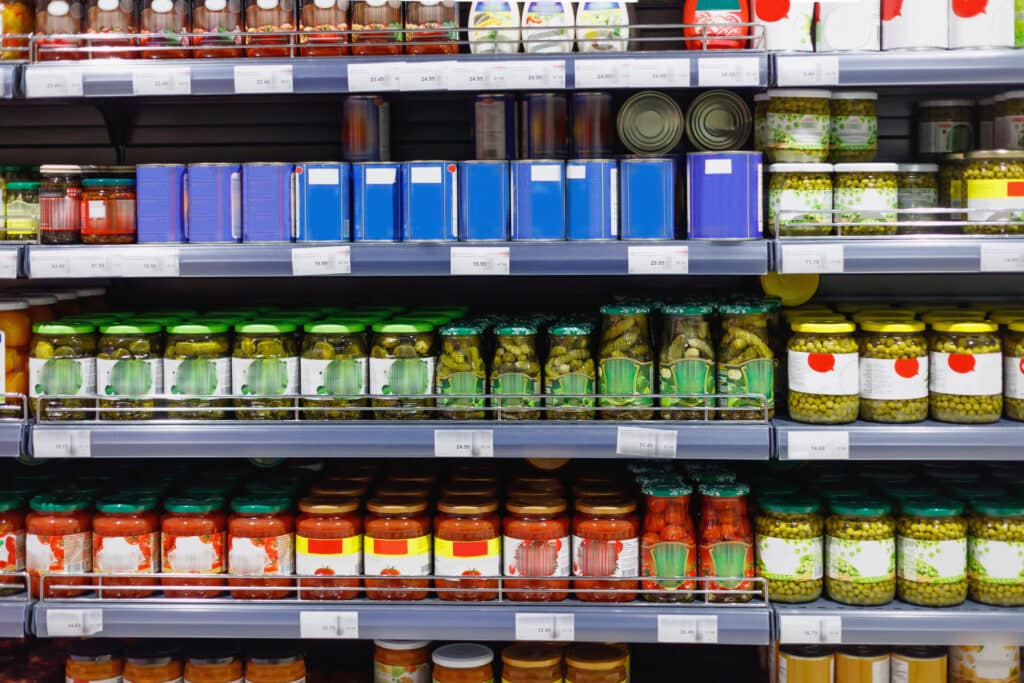
Many people are shocked when I tell them that canned tomatoes are bad.
After all, tomatoes are a vegetable (or technically fruit), so how can they be bad? Well, it has more to do with the packaging than the actual food.
Most of us know that BPA is harmful. BPA, shortened from bisphenol-a is a chemical used to coat the lining of cans and most plastic products.
The reason why canned tomatoes are so dangerous is since tomatoes are highly acidic, it draws out more of the BPA into the food from the lining. So, canned tomatoes have an especially high risk of leaching BPA into the tomatoes because of the acidity. This is not to say that other canned goods do not also pose BPA exposure risks (they most certainly do), but tomatoes are one of the worst offenders.
You’re probably asking, what about BPA-free cans?
Unfortunately, BPA-free cans don’t really solve the problem. When the word started getting out about the dangers of BPA a few years ago, consumers started demanding that companies quit using BPA. So, companies responded to consumer pressure and largely removed BPA from their packaging, BUT they replaced it with another chemical that has similar associated health risks called BPS–Bisphenol S.
So, even though the thought of a BPA-free label may comfort many consumers, it’s a false promise.
The cans and plastics labeled as BPA-free will still have some sort of chemical in them, usually BPS. That’s why I always recommend only using natural products like glass and stainless steel to avoid ANY type of plastic.

It’s important to note before reading this that organic spinach is not the same as conventional spinach.
Non-organic spinach is a vegetable that is grown with pesticides and has little nutritional value–and it’s not even all that filling!
According to the Pesticide Data Program, conventional spinach has anywhere up to 50 different pesticides (yes, 50!) on it when purchased at a store.
If you’re a fan of spinach and eating well, try to purchase organic spinach which is high in vitamin A and K.

We know it’s pretty convenient to just warm up a bag of frozen vegetables,
Have you ever looked at how MANY ingredients are in a bag of frozen vegetables with sauce? It’s nearly 35 ingredients that aren’t vegetables! Take a look at the ingredients in a bag of “lightly sauced” vegetables:
Broccoli, Cauliflower, Water, Carrots, Cheddar Cheese (Pasteurized Whole Milk, Cheese Cultures, Salt, Enzymes, Annatto Color), Contains 2% or Less of Half and Half (Milk, Cream), Nonfat Dry Milk, Food Starch-Modified, Salt, Cheese Flavor [Cheddar and Blue Cheese (Pasteurized Milk, Cheese Cultures, Salt, Enzymes), Whey, Water, Citric Acid, Corn Oil, Yeast Extract, Sweet Cream Powder, Butter (Cream, Salt), Sugar, Dry Mustard, Natural Flavor, Dry Buttermilk, Maltodextrin, Sodium Caseinate, Sodium Citrate], Wheat Flour, Mono and Diglycerides, Xanthan Gum, Guar Gum, Sodium Phosphate, Natural Flavor (Hydrolyzed Corn Gluten, Autolyzed Yeast Extract, Dextrose), Sherry Wine Solids, Onion Powder, Mustard (Distilled Vinegar, Mustard Seed, Salt, White Wine, Citric Acid, Tartaric Acid, Spices, Tocopherols and Ascorbyl Palmitate to Help Protect Flavor), Garlic Powder, Annatto Extract (For Color)
YOU MAY ALSO LIKE: I Lost Weight By Not Eating Anything I Could Not Pronounce
First of all, that list is VERY long…and quite a few of the ingredients are hard to pronounce. Second, a marketing trick used in most of this packaging is called “light” sauced.
“Light” is a very relative term that is not regulated by the FDA, so your version of light could be totally different than the version of the manufacturer. So all the harmful ingredients made to keep that sauce from spoiling will also go in your body. Why would you put all of those things into your body if you can’t pronounce what’s in it? Adding this creamy sauce to your vegetables turns an incredibly healthy side dish into something that resembles a science experiment.
On the flip side, here are vegetables that are good for you (based upon how they are packaged and sold and those that have the least amount of pesticides):
Asparagus
Avocado (actually a fruit)
Beet greens
Bok Choy
Kale
Broccoli
Brussels sprouts
Cauliflower
Mustard greens
Celery
Onions
Chicory
Parsley
Collard greens
Turnips
Cucumbers
Spinach
Dandelion greens
Zucchini
Endive
Green and red cabbage


By subscribing, you consent to receive emails from BlackDoctor.com. You may unsubscribe at any time. Privacy Policy & Terms of Service.