
Lupus. Multiple sclerosis. Hashimoto’s thyroiditis. Sjogren’s syndrome. Rheumatoid arthritis. Autoimmune hepatitis.
Celiac disease. Crohn’s disease. Juvenile-onset diabetes. Most people are surprised to learn that these are all examples of autoimmune diseases.
Although these diseases are common and relevant, it is usually not until celebrities announce that they have been stricken with an autoimmune disease that people start to take notice.
For example, Venus Williams told the world that she was sidelined by a diagnosis of Sjogren’s syndrome. Nick Cannon revealed that he has been diagnosed with a “lupus-like” disease.
Autoimmune disease is a constellation of diseases in which the body’s immune system begins to recognize normal cells (self) as foreign (non-self) and, as a consequence, attacks the cells.
An immune/inflammatory response is triggered, and leads to destruction of the specific tissue. The destruction can be major or minor, and at times is life-threatening.
Initial symptoms are variable, depending on the organ system involved, but the unifying symptoms for almost all cases are fatigue, and a general sense of malaise.
Some autoimmune diseases are organ-specific, but others can be systemic (affecting multiple organ systems).
We do not know what triggers this autoimmune response in most people, but in some cases, there is a genetic component. Incidence of these diseases is also known to be highly gender-specific, often affecting women in greater numbers than men, by a ratio of 3:1.
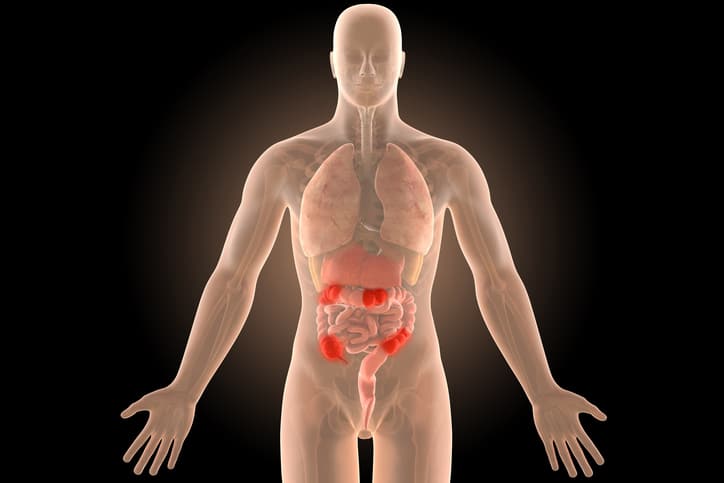
It is interesting to note that autoimmune diseases run in packs; i.e., if you are diagnosed with one, you are likely to be affected by another one sometime later in life.
Here are 9 signs that you may have an autoimmune disease:
do you find yourself tired most of the time and just don’t feel like doing stuff anymore? Think back and try to…
remember just how long you’ve been tired over a period of time. If it’s been consistent over a period of months, then you may wan to talk to your doctor.
Some people blame their dizziness or feelings of being lightheaded on “getting up too fast”, but it could be much more than that. If it feeling consists without, they talk to your primary care physician.
It’s okay to be a little hot every now and again, but if your fever borderlines the acceptable human body temperature for more than a week, your body may be trying to tell you something else is going wrong.
Working out hard and doing body strange body movements can you leave you sore for a little while. But if there are muscles you haven’t worked out that are sore, or your soreness doesn’t go away or even start to lessen, this could be a sign of an autoimmune disease.
Some medications can make your body parts well. Listen to your body and talk to your doctor to see if its your medications or something more serious.
Can’t seem to get your thoughts in order? Does it take you longer to formulate your thought before saying it? This loss of cognitive behavior could be a symptom of an autoimmune disease.
Numbness and tingling in your extremities does not only happen to older people. If you find yourself trying to “wake up” your hands and feet by shaking them or if it seems to happen more frequently while just doing regular, everyday tasks, you may want to consult your physician.
As we age, hair loss is inevitable. But if patches of your head that used to have hair are now balding instead of a general, steady hair loss across your entire scalp, it could be a sign worth looking into.
You look at your skin every day. What is there today that wasn’t yesterday? Does it itch? Is it growing bigger? Does it return after a few weeks? These are all questions you need to answer.
How is Autoimmune Disease Treated?
Treatment usually involves starting medications that suppress your immune system with high-dose steroids, or other immunosuppressants.
Chronic immunosuppressant use increases one’s susceptibility to infections. The only autoimmune disease that can be effectively treated without medication (pharmaceutical or alternative) is Celiac disease (gluten-restricted diet).
Given the slight possibility in overlap of diagnoses, it is prudent for those newly diagnosed with any autoimmune disease to consider testing for Celiac disease (if you have symptoms at all suggestive of gluten intolerance).
If you are found to be sensitive to gluten, and you eliminate it from your diet, the other autoimmune disease MAY improve as well.
The fewer immune-manipulating medications you have to take, the better.
There were rumors last year that Rita Owens, the late mother of Dana “Queen Latifah” Owens, was diagnosed with lung cancer. Latifah denied the reports, only stating her mother had “gone through some medical challenges.”
But rap legend revealed her mom had actually been struggling with the incurable condition scleroderma, which has caused scar tissue to build up in the lungs, resulting in high blood pressure and excess fibrous connective tissue, making it hard for her to breathe.
Before her death, Rita Owens decided to go public with her health crisis in a bid to help others who may be dealing with the condition. Latifah, who moved her mom into her California home and cared for her tirelessly until her last days.


By subscribing, you consent to receive emails from BlackDoctor.com. You may unsubscribe at any time. Privacy Policy & Terms of Service.