Menu

Domestic Violence: Are Black Women Victimized More?

A portrait of a family, with the father in front and the mother and daughter in the background

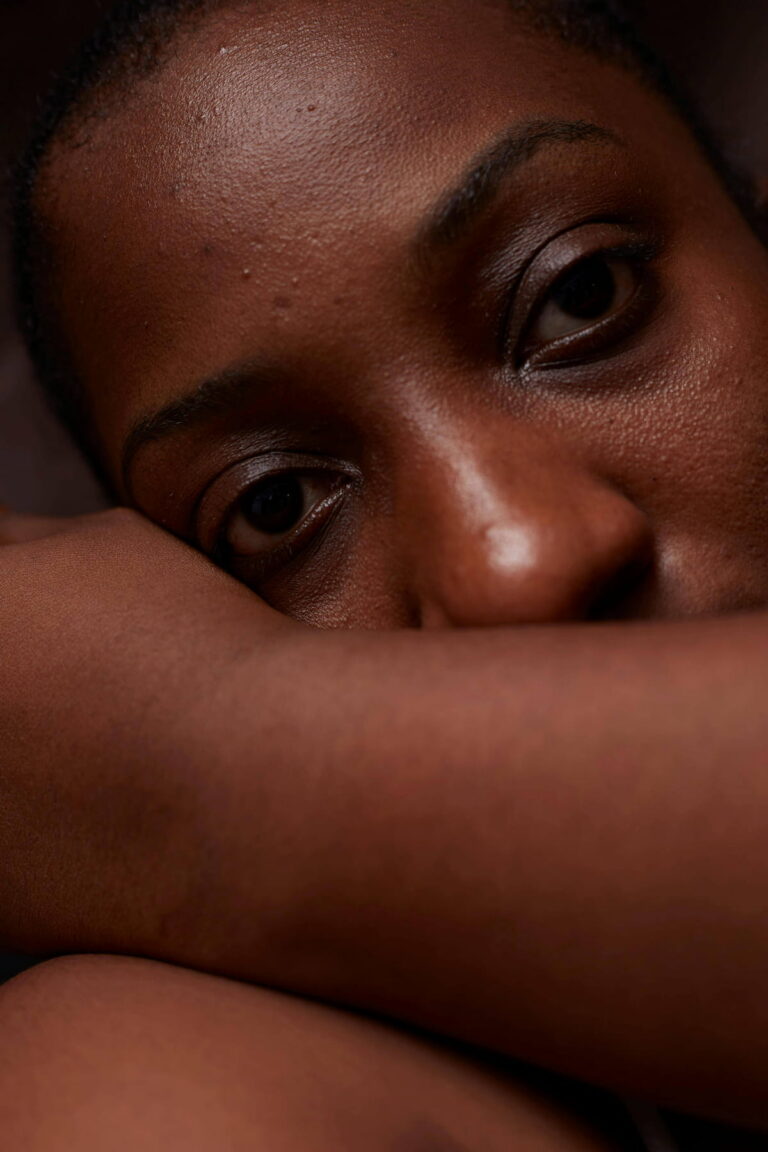
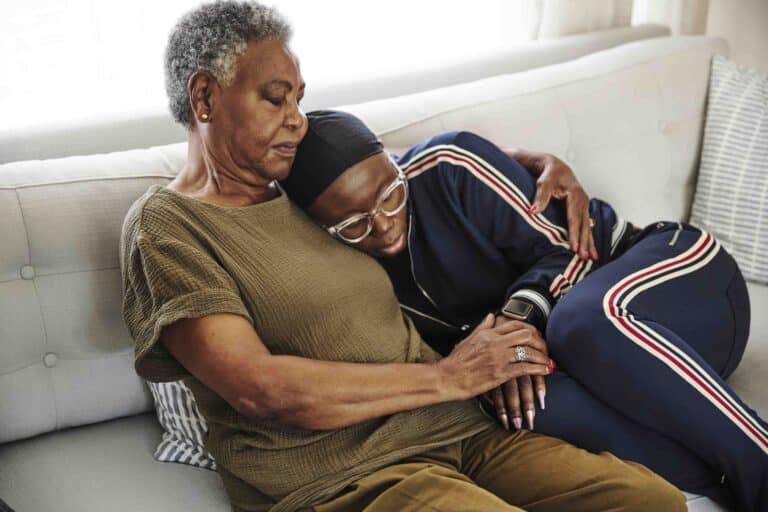
Domestic violence, or intimate partner violence, against black women, has a major impact on their health. Higher rates of abused victims are reported in black women compared to white women, and often result in many dangerous and shocking health symptoms.

In communities where limited resources are available such as transportation, employment opportunities, affordable medical care, social and mental health services, homeless and domestic violence shelters, police protection, and legal services, African American women tend to stay with their abusive partners.

  • Women in abusive relationships are at higher risk of getting sexually transmitted diseases and higher rates of vaginal bleeding and infection.
  • Mostly due to a lower salary scale among African Americans, black women receive less alimony/child support after divorce compared to their Caucasian counterparts, and as a result return to their abusive partners.
  • Cultural norms among violently-abused black women make leaving their partners difficult. Often, attempts to leave are, initially, not successful.

When it comes to domestic violence and black women, it is vital to screen for domestic violence victims in outpatient clinics and intervene with behavior therapy like cognitive behavior therapy (CBT) that initiates their cognition, consciousness and self-evaluation. Health care providers need to increase their awareness of the limitations of an abused patient’s ability to seek help and also focus on their health maintenance regimen.

Featured on BlackDoctor

Experts have identified five cognitive steps that may help black women evaluate their abusive situations and increase their ability to change that situation:

Non-acknowledgment (pre-contemplation). Many victims of domestic violence have isolated themselves from the situation by denying the severity of it. This includes the common tendency of blaming themselves for the abuse, or being too afraid to act.

Acceptance (contemplation). With positive reinforcement, encouragement, and a solid support system, victims of domestic violence can better acknowledge the dangerous situation they are in, accept that the only person at fault is the abuser, take comfort in the fact that they are not alone, and that the abuse does not have to continue.

Thinking about other options (preparation). After accepting the seriousness of their situation and understanding that they deserve better, domestic violence victims need to formulate an actionable plan to make the abuse stop.

Ready to start actions (action). After putting their plan together, women suffering from domestic violence and their support system need to work together to help the woman leave the abusive situation. Subsequent steps should include continued mental health counseling, physical exams, and assistance in establishing healthy life patterns, including eating and fitness plans.

Intervention, using behavior modification,  may be the key to helping decrease domestic violence and end the cycle of abuse.

Related Stories
Answer the question below
What actions have you taken regarding your leaky heart valve?

Get our Weekly Newsletter

Stay informed on the latest breakthroughs in family health and wellness. Sign up today!

By subscribing, you consent to receive emails from BlackDoctor.com. You may unsubscribe at any time. Privacy Policy & Terms of Service.
More from BlackDoctor

Where Culture Meets Care

BlackDoctor is the world’s largest and most comprehensive online health resource specifically for the Black community. BlackDoctor understands that the uniqueness of Black culture - our heritage and our traditions - plays a role in our health. BlackDoctor gives you access to innovative new approaches to the health information you need in everyday language so you can break through the disparities, gain control and live your life to its fullest.
✦ AI Search Disclaimer
This AI-powered search tool helps you find relevant health articles from the BlackDoctor.org archive. Please keep the following in mind:
✦ For Informational Purposes Only
The information provided through this AI search is for general educational and informational purposes only. It is not intended as a substitute for professional medical advice, diagnosis, or treatment.
✦ Always Consult a Healthcare Provider
Never disregard professional medical advice or delay seeking it because of something you have read through this search tool. If you have a medical emergency, call your doctor or 911 immediately.
✦ AI Limitations
This search tool uses artificial intelligence to help match your queries with articles in our archive. While we strive for accuracy, AI-generated results may occasionally be incomplete, outdated, or not fully relevant to your specific situation.
✦ No Doctor-Patient Relationship
Using this search tool does not create a doctor-patient relationship between you and BlackDoctor.org or any healthcare provider.
Explore over 35,000 articles and videos across black health, wellness, lifestyle and culture
Full AI Search Experience >
×

Download PDF

Enter your name and email to receive the download link.

BlackDoctor AI Search