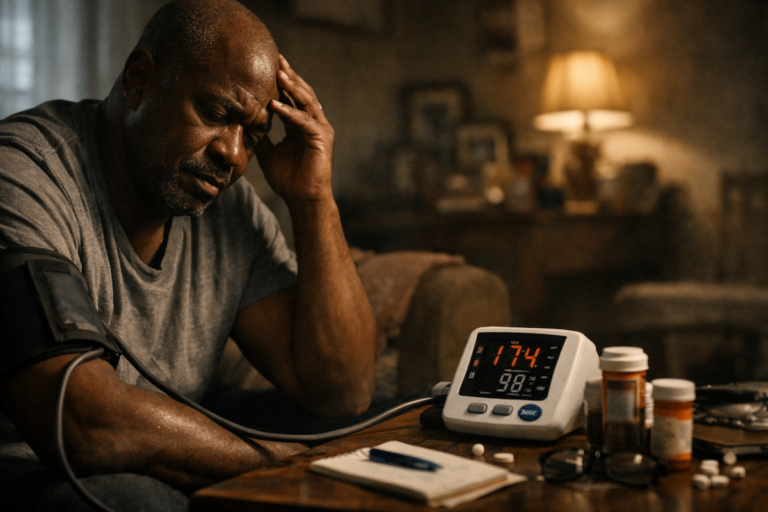
Trauma, chronic sickness, loss of a loved one, job loss, and family history of anxiety may create persistent anxiety.
We can control harmful behaviors that worsen anxiety. Knowing and altering your negative behaviors might help you manage your anxiety.
After years of tracking coffee and anxiety, It was concluded that caffeine ruins anxiety and sleep. Even one weak latte a day can make you uneasy. Caffeine increases anxiety. If your anxiety is at level five, a few hours after coffee, it will likely be at least eight, rising to 10 or more in the evening. If you don’t sleep properly, you’ll be much more anxious in the morning. However, your morning coffee will restart the process. Generalized Anxiety Disorder
(GAD) sufferers are unusually sensitive to caffeine, according to one research. Caffeine causes anxiety hours after use, yet we feel fine after that. To remove caffeine, you must also avoid black tea, green tea, soda, energy drinks, and even decaf coffee.
Caffeine is one of the most frequent habits, but it’s also one of the greatest anxiety triggers. Eliminating it can and will improve anxiety and sleep. Try giving up coffee for 30 days and measure your anxiety levels to see if it makes a difference.
Skipping meals causes worry! We often miss meals due to anxiousness. We’re either too worried or too afraid to eat. Skipping meals promotes hypoglycemia, which may produce anxiety symptoms, including irritability, anxiousness, dizziness, light-headedness, and weakness.
Dieting may cause anxiety, particularly if you cut out a key vitamin (carbs, fats, or proteins). Recurrent hypoglycemia increases anxiety, a study shows. Poor diets were linked to anxiety and depression in other investigations. Recommendations:
RELATED: 4 Tips to Decrease Anxiety Throughout the Day
Consuming processed meals might harm your health and anxiety. Examples include microwave dinners, sugary foods, processed carbs, cold meats, sauces, dressings, and dishes with extensive ingredient lists.
According to a study, processed meals often include chemical additives, which might increase anxiety and lower mood and social behavior. Some of the worst additives are:
Aspartame, an artificial sweetener, has been related to cognitive and behavioral issues. Neurophysiological symptoms include learning issues, headaches, seizures, migraines, irritable moods, anxiety, sadness, and insomnia.
Recommendations:
Avoid sugar for anxiety. While we know we should decrease sugar, anxiety often makes us desire sweets. Sugar temporarily stops stress hormone production in an anxious brain region, according to studies (cortisol). Sugar relieves anxiety, which makes us want it and grow dependent.
Eliminating sweet meals helps anxiety. Avoid cakes, cookies, chocolate, puddings, pastries, ice cream, milkshakes, waffles, and other apparent offenders. Read food labels since 75 percent of packaged goods have added sugar. Even healthy meals like granola bars, muesli, yogurts, and smoothies may have added sugar.
Fruit is tasty and nutritious. However, restrict fruit to two to three pieces per day. Fruit contains simple sugars that might raise blood sugar and anxiety. A balanced diet will help you eat more real foods and fewer processed and sugary meals! Healthy eating reduces sugar cravings. Recommendations:
RELATED: 7 Ways to Help You Overcome Anxiety While Traveling
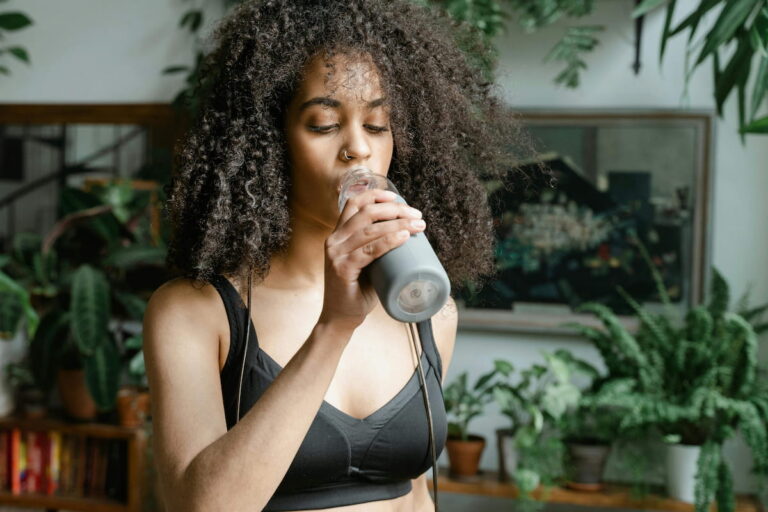
Anxiety might increase if you don’t consume enough fluids. Stress from dehydration might lead to anxiety symptoms. In one research, restricting water intake decreased contentedness, serenity, good emotions, and vigor/activity, whereas increasing water consumption decreased weariness, confusion, and thirst.
Additionally, water calms. Dehydration also lowers mood, according to findings. Anger, perplexity, stress, and exhaustion may result from mild dehydration. That’s why keeping hydrated is critical for anxiety sufferers and your general health.
According to the U.S. National Academies of Sciences, Engineering, and Medicine, women require 11.5 cups (2.7 liters) of fluids daily. In comparison, males need 15.5 cups (3.7 liters). Females should drink 11 cups of liquids daily, while males should drink 15 cups. Thus, staying hydrated will prevent dehydration-related worry and reduce anxiety, according to Harvard Medical School.
Vegetables and fruit count as fluids. Organic loose-leaf herbal teas and water are ok. Herbal tea packets may include caffeine. Instead of drinking all your water or tea at once, sip it throughout the day.
Poor diets may increase anxiety. For instance, not eating enough vegetables, whole grains, and other natural whole foods, eating too many processed meals and beverages heavy in fat, salt, and/or sugar and low in dietary fiber, and not chewing your food correctly.
Poor eating habits might reduce your intake of vital nutrients such as carbs, protein, essential fatty acids, vitamins, and minerals needed for brain and neurological system health.
Nutrient deficiencies have been linked to mood and anxiety. Anxiety disorders and other mental health concerns are associated with dietary deficiencies, including B vitamins, vitamins C and E, magnesium, selenium, and omega-3 fatty acids.
One research linked mental health issues to improper diet. Unhealthy eating practices, including “snacking and convenience,” “planning,” and “meal skipping,” indicate mental health issues. Recommendations:
Anxiety sufferers often drink. Alcohol briefly boosts “happy hormones” like serotonin and dopamine in the brain, making you feel better and less worried. Still, it also raises anxiety levels within a few hours. According to the Anxiety and Depression Association of America (ADAA), 20 percent of persons with a social anxiety disorder also misuse or rely on alcohol, and recent research indicated a higher link among women.
After drinking, you’ll feel more worried, weary, and depressed. Hangovers—nausea, dizziness, headaches, dehydration, and low blood sugar—can worsen your anxiety. Overdrinking also raises the risk of chronic illness and mental health issues.
Avoid alcohol when managing anxiety. Alcohol use and mental health issues were linked in one research. Alcohol abusers have higher rates of psychological suffering and educational issues. After managing anxiety, you may drink sometimes.
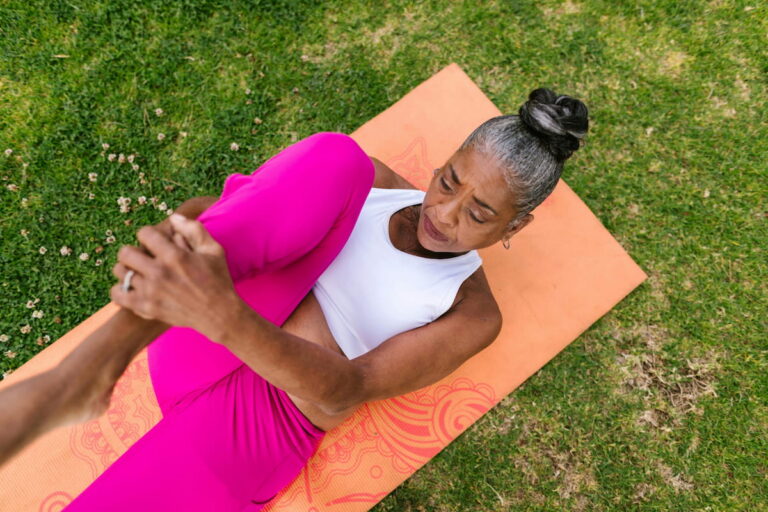
Another anxiety-causing behavior is laziness. Sitting all day and not exercising might harm your physical and emotional health. Your body is intended to move, and certain processes need it. Breathing and muscular activity assist the lymph system in transferring water and waste. These functions get inefficient if you don’t move enough. Toxicity may cause anxiety.
Inactivity raises the risk of diabetes, obesity, cardiovascular illnesses, colon cancer, osteoporosis, lipid problems, and high blood pressure. Sitting all day has been linked to anxiety and sadness. Sedentary time (>8 h) elevated anxiety and depression, but moderate to high physical exercise lowered them.
According to the World Health Organization (WHO), physical inactivity kills 3.2 million people worldwide. Clinical research and meta-analyses suggest that exercise reduces anxiety. Aerobic exercise reduces stress and improves mood, sleep, and self-esteem. One study done on animals shows that exercise improves anxiety pathophysiology.
What if you’re tired, unmotivated, or weak? Start with brief walks around your building, home, or neighborhood. Walk 10,000 steps a day to stay active. Don’t worry if you can’t walk this much initially. Work up to this. Recommendations:
A study shows that sleep deprivation increases anxiety, tension, anxiousness, and irritability. One research found that fewer than eight hours of sleep might promote recurrent negative thoughts and make it difficult to let go of bad things and anxiety symptoms. Recommendation:
Watching the news might make you grumpy and uneasy due to excessive concern and dread. TV news causes persistent unfavorable psychological reactions, according to one investigation.
That research found that viewing the news increased anxiety and Total Mood Disturbance (TMD) in subjects within 15 minutes. While being informed is crucial, viewing or reading the news first thing in the morning might make you uneasy, and connecting with unpleasant pictures and words at night can impact your sleep.
Since news affects anxiety, avoid news first and last thing. Recommendation: Practice meditation, stretching, journaling, affirmations, and yoga in the morning and before bed.
With fast access to photographs from people’s lives on social media and the internet, comparing yourself to others is simple. Doing this daily causes sadness, poor mood, and unpleasant thoughts that lead to worry.
Comparing yourself to others is unfair since you’ll concentrate on their strengths and your weaknesses. Flowers blossom without thinking about competing with others.
Uniqueness precludes comparison. Focusing on your strengths will make you love yourself more. When you love yourself, comparison and worry may go away. Recommendations:
Anxiety is telling you to alter something. It will become louder if ignored. Start tracking your anxiety levels regularly. Paying attention to anxiety early on helps you uncover negative thinking patterns and poor behaviors before they get out of hand.
This lets you recognize what makes you uneasy and adjust appropriately. Anxiety management may reduce symptoms. Recommendations:


By subscribing, you consent to receive emails from BlackDoctor.com. You may unsubscribe at any time. Privacy Policy & Terms of Service.